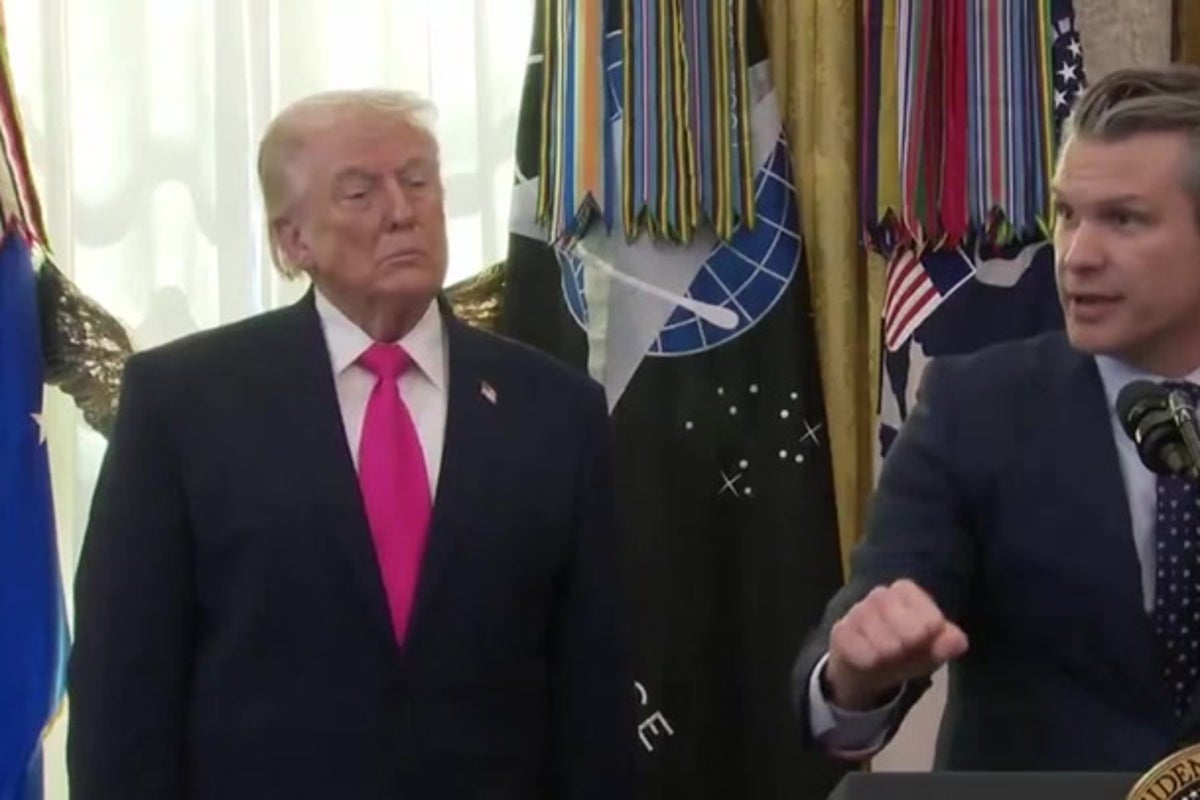
The rules of the game in the Middle East didn't just change; they were set on fire and tossed out the window. If you've been following the headlines about Secretary of Defense Pete Hegseth’s latest briefing on Iran, you know the vibe in Washington has shifted from "cautious escalation" to "total dominance." Hegseth didn't mince words when he told reporters that the U.S. will keep the pressure on Tehran "as long and as hard as necessary."
President Trump’s reaction? A characteristic nod of approval that signals this isn't a temporary flare-up. It's a fundamental rewriting of American intervention. For a more detailed analysis into this area, we suggest: this related article.
The End of the Long Game
For years, the U.S.-Iran relationship felt like a scripted dance of "red lines" and "maximum pressure" that never quite reached a boiling point. That's over. Hegseth, a man who’s been in the trenches of Iraq and Afghanistan, is leaning into a philosophy that rejects the "nation-building" traps of the past. He’s calling it Operation Epic Fury, and the name isn't just for show.
The strategy is simple: break their toys so they can’t play. Hegseth confirmed that the Iranian Navy is basically "combat ineffective" at this point, resting at the bottom of the Persian Gulf. This includes the Soleimani, their prized vessel, which Trump joked about "getting twice." To get more context on this topic, detailed analysis can be read at NBC News.
You’re seeing a shift from diplomatic stalling to what Hegseth calls "unleashing American power." He’s literally telling the world that the U.S. and Israel have complete control over Iranian skies. When you have uncontested airspace, you aren't just reacting to threats; you’re deciding the fate of the adversary’s infrastructure in real-time.
Why This Isn't Iraq 2.0
The biggest fear for anyone who remembers the early 2000s is the "forever war." We’ve all seen how "mission accomplished" can turn into a twenty-year quagmire. Hegseth is trying to get ahead of that narrative. He’s explicitly stated, "This is not Iraq. This is not endless."
But how can he be so sure?
- No Nation Building: There’s zero talk about "bringing democracy" to Tehran. The goal is kinetic destruction, not social engineering.
- Surgical Lethality: The focus is on the IRGC’s ability to project power—missiles, drones, and nuclear facilities.
- The "No Quarter" Rhetoric: Hegseth’s controversial "no quarter, no mercy" comment has human rights groups in a tailspin. While it’s a legal nightmare for international lawyers, it sends a clear psychological message to the Iranian leadership: the old rules of engagement are gone.
Trump is backing this because it fits his "Peace Through Strength" brand, but with a much sharper edge. He’s projected a four-to-five-week timeline, though he’s quick to add that the U.S. has the "capability to go far longer." That’s the "as long and as hard as necessary" part. It’s a classic Trump move—setting an expectation while keeping the exit door wide open and the stick very large.
The Cost of Retribution
It’s not all clean strikes and press room bravado. Real people are dying. We’ve already seen reports of six American service members killed and dozens wounded. There’s also the tragic reality of collateral damage, like the strike on the Minab school that reportedly killed over 150 girls and teachers.
Critics like Senator Tim Kaine are pointing out that this "preemptive" war is happening without a formal nod from Congress. It’s a "shoot first, explain later" doctrine that ignores the War Powers Resolution. But in the current administration, the belief is that "vague red lines" are what got us into this mess in the first place.
What Happens if Iran Doesn't Fold
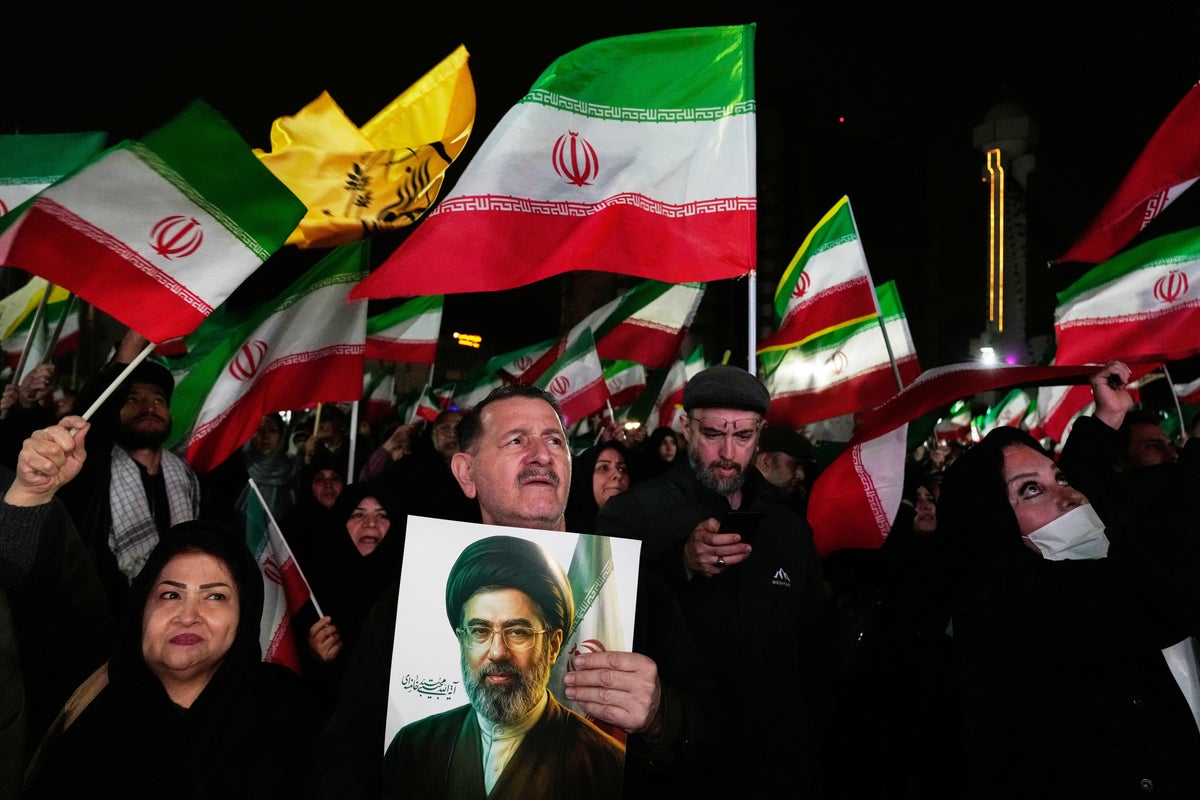
The Iranian regime is currently like a football team that had the first 20 plays scripted but now has no idea how to handle a blitz. Their Supreme Leader, Ali Khamenei, is gone, and his successor, Mojtaba, is already facing reports of injuries.
However, don't expect a peaceful transition. Trump has urged the Iranian people to "take back your country," but that's a tall order for an unarmed populace that just saw 30,000 of its own killed in protests earlier this year.
The real danger isn't a long-term occupation; it's the "escalate to de-escalate" trap. Iran might decide that since they’re already losing everything, they might as well take the global oil market down with them. Closing the Strait of Hormuz or hitting Saudi refineries could turn this "laser-focused" mission into a global economic meltdown.
If you’re trying to make sense of where this goes, look at the money. The White House is reportedly eyeing a $200 billion supplemental fund for this conflict. That’s a massive jump from the initial $50 billion rumors. It tells you that while they say it won't be "endless," they’re certainly packing for a long trip.
If you want to stay ahead of how this affects your world, keep a close watch on:
- Energy Prices: Any hiccup in the Persian Gulf will hit your gas tank within a week.
- Congressional Pushback: Watch for a War Powers Resolution vote. If the "no quarter" rhetoric continues, even some Republicans might get cold feet.
- The "15-Point Plan": There are whispers of a U.S. ceasefire proposal reaching Tehran. Whether anyone there is left with the authority to sign it is a different story.
This isn't just another Middle East skirmish. It’s a test case for a new era of American military doctrine where "proportionality" is a dirty word and "as long as it takes" is the only timeline that matters.