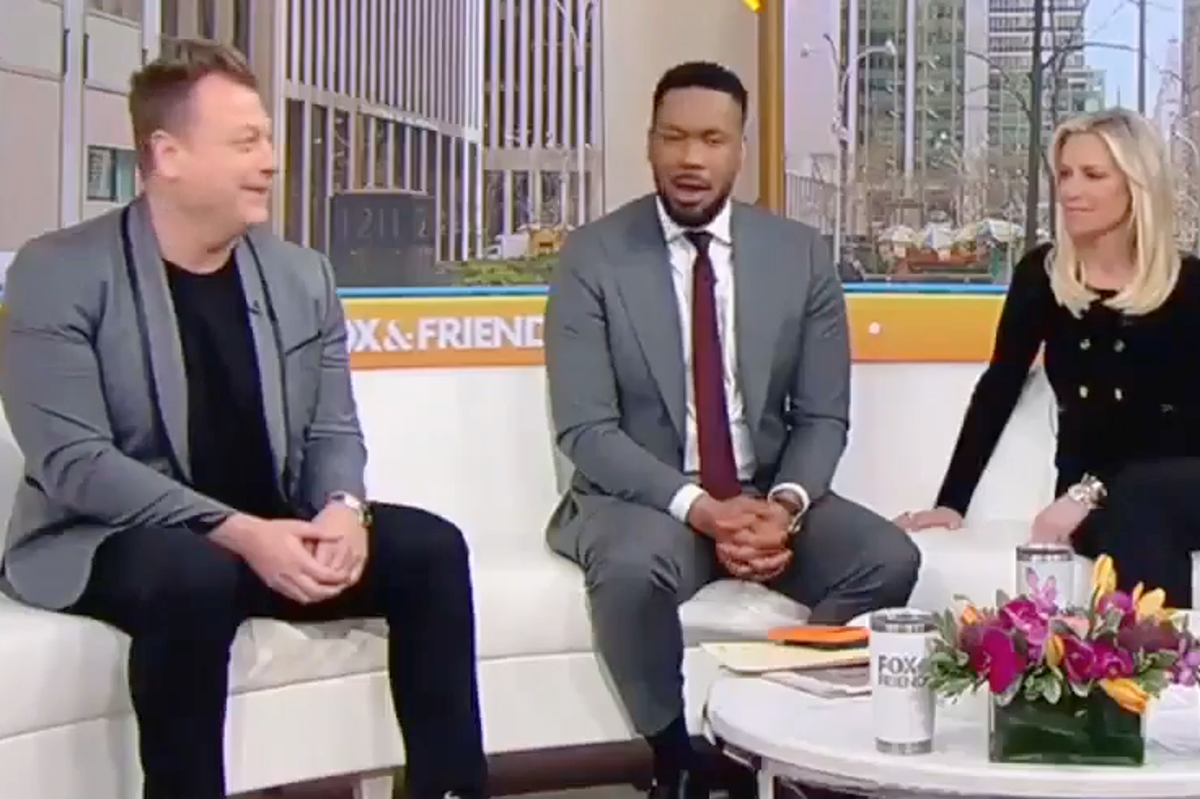
Robert F. Kennedy Jr. has a knack for making headlines that feel like they were pulled from a surrealist novel. Whether it’s the brain parasite or his controversial stance on vaccines, the man knows how to keep the public talking. But the recent buzz surrounding a dead bear cub in Central Park has reached a fever pitch, especially after a segment on Fox and Friends where the hosts couldn't quite agree on how to handle the eccentricity of a political figure they often find themselves defending.
If you haven't heard the story, it's a wild ride. RFK Jr. admitted to picking up a roadkilled bear in upstate New York, intending to skin it and eat the meat. Plans changed, time ran out, and he ended up dumping the carcass in Central Park, staged to look like a bicycle accident. It’s the kind of story that makes you do a double take. When the topic hit the Fox and Friends desk, the internal friction was palpable. It wasn't just about the bear; it was about where the line is drawn between "rugged outdoorsman" and "genuinely bizarre behavior."
The Fox and Friends Clash Over the Bear in the Park
Television moments are often most revealing when the teleprompter stops guiding the ship. During the segment, the visible shock on some hosts' faces contrasted sharply with a colleague’s attempt to normalize the situation. One host expressed genuine bewilderment, the kind of "what are we even talking about?" energy that viewers at home were likely feeling. Then came the defense. A co-star stepped in, suggesting that for someone with Kennedy's background, this was just another day in the life of a naturalist.
This defense didn't sit well. It created a vacuum of silence for a split second—the kind of TV silence that feels like an eternity. The divide on the set mirrored the divide in the American public. Is RFK Jr. a truth-telling maverick or someone whose personal judgment is consistently questionable? When a co-host tries to justify leaving a dead bear in a public park as a "prank" or a "lapse in timing," it highlights the lengths some will go to protect a political ally or, at the very least, an enemy of their enemy.
Breaking Down the Roadkill Logistics
Let's look at the facts of the bear incident because they’re actually more complicated than a simple "he moved a bear" headline. RFK Jr. was on a falconry trip. He saw a woman hit a bear cub with her car. He put it in his trunk. He had a 10-year-old bear tag in his pocket. He intended to use the meat.
If you live in rural America, salvaging roadkill isn't actually that weird. In many states, it’s legally encouraged to prevent waste. However, the transition from "sustainable meat harvesting" to "dumping a carcass in the middle of Manhattan" is where the logic falls apart. Most hunters or naturalists would tell you that if you can't process the animal, you bury it or leave it in the woods. You don't take it to a city of eight million people to create a fake crime scene.
Why the Media Can't Look Away
The fascination with this story isn't just about the bear. It’s about the brand of Robert F. Kennedy Jr. He occupies a space in the 2024 political landscape that is entirely unique. He draws from the left and the right, fueled by a deep-seated distrust of institutions. Stories like the bear cub serve as a litmus test for his supporters.
- To critics, it's evidence of a chaotic personality.
- To supporters, it’s a sign that he isn't a polished, fake politician.
- To the media, it's a goldmine of engagement.
The Fox and Friends reaction is a microcosm of a larger trend. We've reached a point where even the most objectively strange behavior is filtered through a partisan lens. If a politician you dislike did this, you’d call for a mental health evaluation. If it’s someone you find useful to your cause, it’s a "quirky anecdote" from a guy who likes the outdoors.
The Problem with Normalizing the Bizarre
When we see news anchors stunned by their own colleagues, it signals a break in the shared reality. One host sees a public safety hazard and a weird stunt; another sees a harmless prank. This isn't a policy debate about tax brackets or foreign aid. It’s a debate about basic social norms.
Leaving a dead animal in a park where children play is, by any standard definition, not normal behavior. By attempting to defend it, media figures risk losing their own credibility. You can support someone's right to run for office while still acknowledging that their weekend activities are unsettling. RFK Jr. himself seemed to realize the story was going to leak, which is why he released a video explaining it before the New Yorker article dropped. It was a preemptive strike on his own reputation.
What This Means for the 2024 Election
The bear story might seem like a flash in the pan, but it contributes to a mounting pile of "character" issues that voters have to weigh. Political analysts often talk about the "beer test"—who would you rather have a drink with? RFK Jr. is forcing a different question: who do you trust to make decisions when things get weird?
The Fox and Friends hosts' disagreement shows that even among the most seasoned pundits, there’s no consensus on how to handle a candidate who operates so far outside the traditional playbook. This bear incident will likely be a footnote in the history books, but it’s a massive neon sign pointing toward the current state of political discourse. We aren't arguing about facts anymore; we're arguing about what constitutes sanity.
The Real Takeaway from the Central Park Mystery
If you're trying to make sense of this, start by looking at the legalities. New York has strict laws about transporting and disposing of wildlife. While RFK Jr. won't likely face serious charges years after the fact, the admission itself is a fascinating look into a mindset that prioritizes the "story" over the consequence.
Don't let the humor of the situation distract from the core issue. Media coverage often leans into the "stunned" reactions because they sell. But the real story is the defense of the behavior. When we stop being able to say "that's weird" collectively, we've lost a bit of our cultural compass.
Keep an eye on the polling data in the weeks following these types of personal revelations. Often, these stories don't hurt "outsider" candidates; they reinforce the idea that they are different from the "elites." Whether that difference is a positive or a negative is up to the individual voter. If you want to see how this plays out, watch the late-night clips and the morning show debates. They're the best indicator of which way the wind is blowing. Stop looking for logic in the bear story and start looking at what the defense of the bear story tells you about the person doing the defending.