The image of Tiger Woods slumped in the driver’s seat of a black Mercedes-Benz, dazed and unable to track the simple instructions of a Jupiter, Florida, police officer, was never just about a traffic stop. It was the physical manifestation of a decade-long collision between peak human performance and the brutal reality of a body that had finally begun to break. When Woods was arrested on suspicion of driving under the influence in the early hours of Memorial Day weekend, the immediate public assumption was alcohol. The truth, revealed through a harrowing toxicology report and his own subsequent admissions, was far more indicative of the quiet crisis facing elite athletes: a chemical cocktail of Vicodin, Dilaudid, Xanax, Ambien, and THC.
This was not a story of a party gone wrong. It was the story of a man trying to chemically engineer enough comfort to simply exist. Meanwhile, you can read other developments here: The Dog Power Revolution On Colorado Slopes.
The Architecture of a Collapse
To understand why a billionaire with the world at his feet ended up unconscious at a steering wheel, one must look at the surgical history that preceded the arrest. By May 2017, Woods had undergone four major back surgeries, including a high-stakes anterior lumbar interbody fusion just weeks prior. This procedure is a "hail mary" in the world of spinal medicine. It involves entering the body through the abdomen to fuse vertebrae together, a desperate attempt to eliminate the debilitating nerve pain of sciatica that had left Woods unable to sit, stand, or lie down without agony.
The recovery from such a surgery is not measured in days or weeks, but in months of specialized rehabilitation. For Woods, a man whose entire life was defined by the singular pursuit of physical perfection, the inability to move was more than an inconvenience. It was a crisis of identity. To understand the bigger picture, check out the detailed report by Sky Sports.
Chemical dependence in the context of professional sports is rarely about recreation. It is about maintenance. When Woods was found by officers, his car was parked awkwardly, showing signs of damage to the driver’s side, yet there were no external objects hit. The toxicology report eventually confirmed he had zero alcohol in his system. Instead, he had a combination of five different drugs, some of which are strictly prohibited by the PGA Tour's anti-doping guidelines. This was a man trying to treat insomnia and chronic pain on his own, without the necessary medical guardrails.
The Silence of the PGA Tour
The PGA Tour, an organization built on the clean-cut imagery of its stars, was forced into a corner by the arrest. For years, the Tour had been criticized for its "look the other way" approach to the physical toll the game takes on its aging legends. While other major sports leagues were grappling with the opioid crisis and its impact on retired players, golf remained largely insulated—until its biggest star became a mugshot.
The Tour's commissioner at the time, Jay Monahan, offered a predictably sanitized response. He expressed support for Woods as a member of the "family" while the organization quietly moved toward introducing blood testing for players. This was a reactive measure, a late acknowledgment that the physical demands of modern golf—the violent torque of the swing, the 300-yard drives, the constant travel—require more than just ice and Ibuprofen.
The tragedy of the 2017 arrest was its predictability. Woods was a 41-year-old man with the knees and spine of someone twenty years his senior. He was caught in a loop of surgery and recovery, a cycle that requires increasingly powerful narcotics to navigate.
The Weight of a Shattered Legacy
For those who grew up watching Tiger Woods dismantle the world’s best at Augusta or Pebble Beach, the video of his arrest was difficult to watch. He appeared broken. He struggled with the field sobriety test, swaying and stumbling, his eyes glazed and unseeing. This was not the same man who had stared down opponents with a predatory intensity for two decades.
The public reaction was a mix of disappointment and genuine concern. Minority golfers, many of whom were inspired by Woods to pick up a club in the first place, saw the arrest as a heartbreaking fall from grace. It followed a pattern of personal and professional struggles that had begun with the 2009 Thanksgiving weekend crash, a collision that exposed a secret life and led to a messy divorce.
The 2017 incident, however, felt different. It wasn’t about infidelity; it was about vulnerability. It was about a man who had finally met an opponent he couldn’t outwork or out-practice: his own body.
The Road Back from the Abyss
If there is a silver lining to the 2017 arrest, it is the radical shift it forced in Woods’ life. Shortly after the incident, he checked into an out-of-state treatment program to manage his medications. He acknowledged the mistake of self-administering his pain relief and began the slow, painful process of regaining control.
The results of that effort culminated in one of the most stunning comebacks in the history of any sport: his 2019 Masters victory.
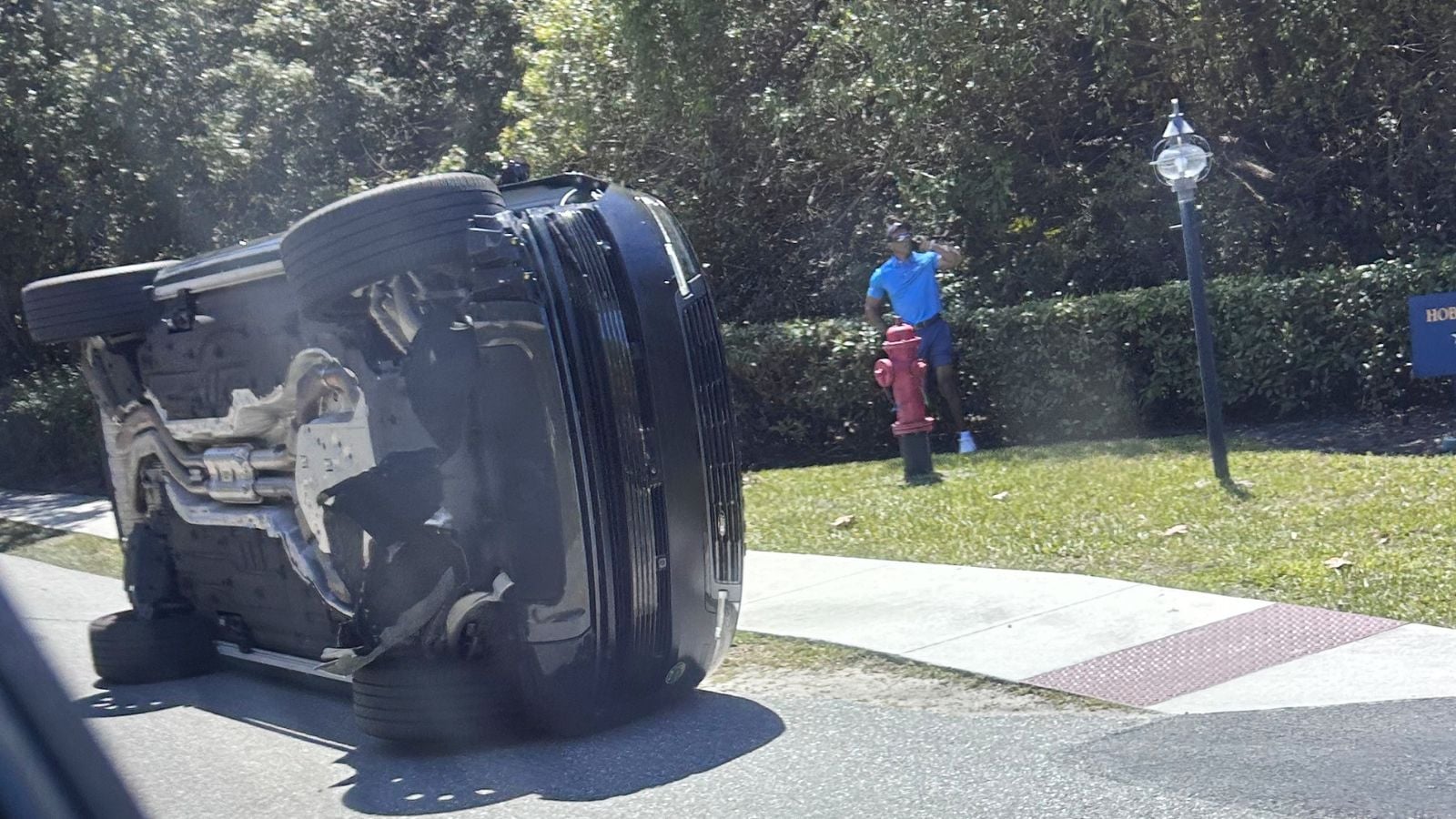
That win was not just a fifth green jacket. It was a redemption. It proved that a man could face the darkest corners of himself—the addiction, the physical pain, the public shame—and find a way back to the top. Yet, even that victory was a temporary reprieve. The physical toll remains. His subsequent car crashes, including the near-fatal 2021 accident in Los Angeles and most recent incidents in 2026, serve as a grim reminder that the battle with his body is never truly over.
The Unspoken Reality of Professional Pain
Woods' struggle highlights an uncomfortable truth about elite sport. We demand extraordinary feats from human beings, but we are often unwilling to witness the cost of that demand. When an athlete's body begins to fail, the pressure to return to form can lead to dangerous shortcuts.
For a golfer of Woods' stature, there is no off-season. There is no time to let a spinal fusion truly heal without the world asking when the next tournament will be. The 2017 arrest was a loud, public warning about the dangers of unsupervised pain management. It was a call to action for sports organizations to provide better mental and physical support for athletes who are essentially playing through a "career-ending" injury every single weekend.
The mugshot from 2017 is no longer the definitive image of Tiger Woods, but it remains a necessary part of his history. It is the moment when the legend became a man, and the man became a patient.
Next Steps
Would you like me to analyze the specific pharmacological interactions of the five drugs found in the 2017 toxicology report and how they impact fine motor skills?