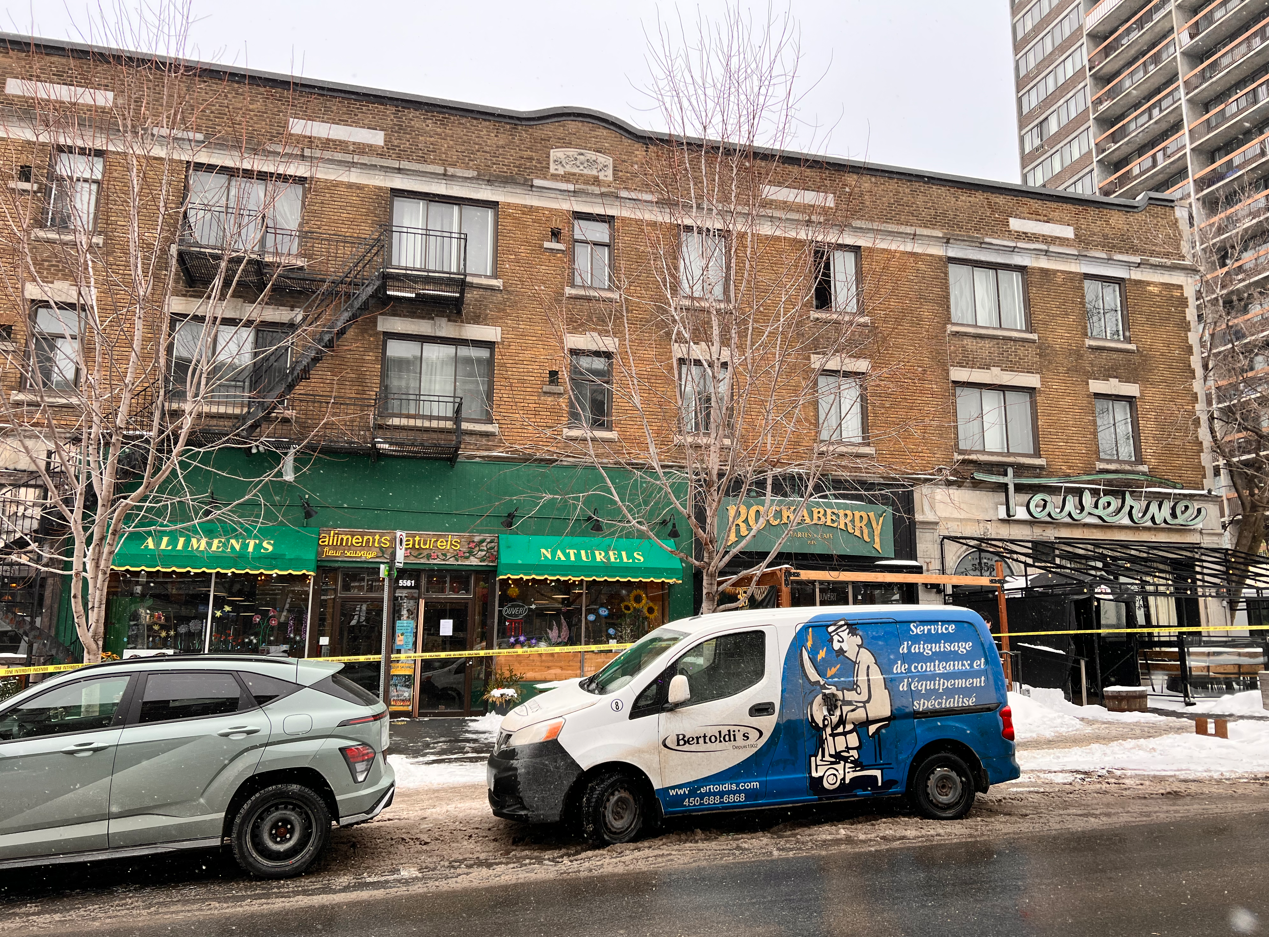
The displacement of tenants from condemned or fire-damaged properties in Montreal is not a transient housing hiccup; it is a breakdown in the city's urban resiliency and liquidity. When an evacuation occurs, a tenant is stripped of their primary asset—secured, often rent-controlled shelter—and forced into a market characterized by near-zero vacancy and asymmetric information. Two months post-evacuation, the "emergency" phase has technically expired, yet the "stabilization" phase remains unachieved. This transition gap exists because of three compounding friction points: the erosion of tenant capital, the lethargy of municipal enforcement, and the legal ambiguity of permanent vs. temporary displacement.
The Triad of Displacement Friction
To understand why tenants remain in limbo sixty days after a building closure, one must quantify the variables that prevent them from re-entering the market.
The Capital Depletion Cycle
Displaced tenants face an immediate liquidity crisis. Security deposits are not legal in Quebec, but the "first month's rent" and the logistical costs of storage and moving represent a massive upfront hit. When a building is evacuated for safety reasons, tenants often lose access to their belongings for weeks. The cost of replacing daily essentials, combined with the premium paid for short-term "emergency" housing (often hotels or temporary rentals), creates a debt trap. By the two-month mark, a tenant’s savings are typically exhausted, leaving them unable to compete for new long-term leases that require proof of financial stability.Regulatory Paralysis and the 'Order to Vacate'
The Service de l’habitation and the Tribunal administratif du logement (TAL) operate on timelines that are fundamentally incompatible with the urgency of homelessness. An evacuation order is a blunt instrument. While it ensures physical safety, it often lacks a corresponding "Order to Remediate" with a strict, bonded timeline for the landlord. This creates an indefinite vacuum. The landlord is relieved of the burden of providing a habitable space while the tenant remains legally tied to a lease for a property they cannot inhabit.The Inventory Mismatch
Montreal’s rental market currently suffers from a structural deficit in affordable units. For a tenant displaced from a unit priced at $900 (market-rate from five years ago), the current replacement cost for a similar unit in the same borough is often $1,500 or higher. This 60% price gap is the primary reason for "uncertainty." It is not a lack of available apartments in a general sense, but a lack of units that fit the specific economic profile of the displaced cohort.
The Cost Function of Tenant Recovery
Recovery for an evacuated tenant is a function of time, legal recourse, and municipal intervention. We can express the probability of successful relocation as a result of available liquid assets versus the duration of the displacement.
The longer a tenant remains in a hotel or temporary shelter, the lower their probability of finding a permanent home. This is due to The Relocation Decay Curve. In the first 14 days, a tenant has high motivation and some remaining "normal life" momentum. By day 60, the psychological and financial toll of living out of a suitcase leads to a loss of employment or a breakdown in the social networks required to find unlisted "word-of-mouth" apartments.
The Landlord’s Incentive Structure
There is a perverse economic incentive for owners of neglected buildings to allow evacuations to become permanent. If a building is evacuated due to safety violations, the owner is effectively cleared of tenants without having to go through the rigorous legal process of eviction or "reprise de logement."
- Constructive Eviction through Neglect: By failing to maintain the building to the point of municipal intervention, the landlord triggers an evacuation.
- The Renovation Premium: Once the building is empty, the landlord can perform the necessary repairs—often those required by the city—and then re-list the units at double or triple the previous rent.
- The Legal Loophole: While the law states that a tenant has the right to return to their unit after repairs, the "uncertainty" mentioned in the competitor's narrative is the product of a landlord's tactical silence. If the landlord does not provide a firm date for return, the tenant is forced to sign a lease elsewhere to avoid homelessness, thereby "voluntarily" forfeiting their right to the original, lower-rent unit.
Systemic Bottlenecks in Municipal Support
The Red Cross and municipal social services provide a 72-hour to 7-day safety net. Beyond that, the responsibility shifts to the tenant and the Office d’habitation de Montréal (OMHM). However, the OMHM’s waiting list for low-income housing is thousands of names long.
The current system relies on Referral-Based Friction, where tenants are moved from one agency to another, each collecting data but none holding the authority to requisition housing or provide direct bridge subsidies. This creates a "Paperwork Purgatory" where the tenant’s primary occupation becomes the management of their own crisis rather than the resolution of it.
The Role of the Tribunal administratif du logement (TAL)
The TAL is the arbiter of these disputes, but its efficacy is hampered by its reactive nature. A tenant must file a claim for rent reduction or damages. This process is:
- Slower than the Crisis: A hearing can take months, while the tenant needs a roof today.
- Evidence-Heavy: Tenants who were forced out in minutes often lack the documentation (photos of mold, previous correspondence with landlords) needed to win a case for "damages."
- Asymmetric: Landlords often have legal counsel on retainer; tenants are frequently self-represented and unfamiliar with the Civil Code of Quebec.
Strategic Realignment for Urban Housing Stability
To resolve the "uncertainty" inherent in Montreal’s evacuation scenarios, the city must move from a reactive safety posture to a proactive economic one. The current model of evacuating first and asking questions later is necessary for life safety but catastrophic for housing security.
The Bonded Repair Requirement
The city should implement a policy where any evacuation order triggered by landlord negligence is accompanied by a municipal lien on the property. This lien would cover the costs of tenant relocation and temporary housing. If the landlord fails to complete repairs within a set timeframe, the city should have the right to subrogate the repairs and bill the owner through property taxes. This shifts the financial burden of the "uncertainty" from the tenant to the property owner.
The Temporary Rent Subsidy Bridge
Instead of one-off emergency grants, a "Displacement Bridge" fund should be established. This fund would cover the delta between a tenant’s previous rent and their temporary market-rate rent for a period of up to six months. By stabilizing the tenant’s monthly burn rate, the city prevents the capital depletion that leads to long-term homelessness.
Mandatory Right-to-Return Registries
The city must maintain a centralized registry of all tenants evacuated by municipal order. This registry would serve as a legal safeguard, requiring landlords to prove they offered the repaired unit back to the original tenant at the original price (plus allowed TAL increases) before any new lease can be registered with the city.
The uncertainty facing Montreal tenants is a choice made by a system that prioritizes physical safety over economic continuity. Until the cost of displacement is internalized by the property owners who allow their buildings to decay, the 60-day "emergency" will continue to be a permanent feature of the Montreal rental experience. Owners must be forced to carry the risk of their own assets' failure. Only by aligning the landlord’s financial downside with the tenant’s housing risk can the city break the cycle of constructive eviction through neglect.