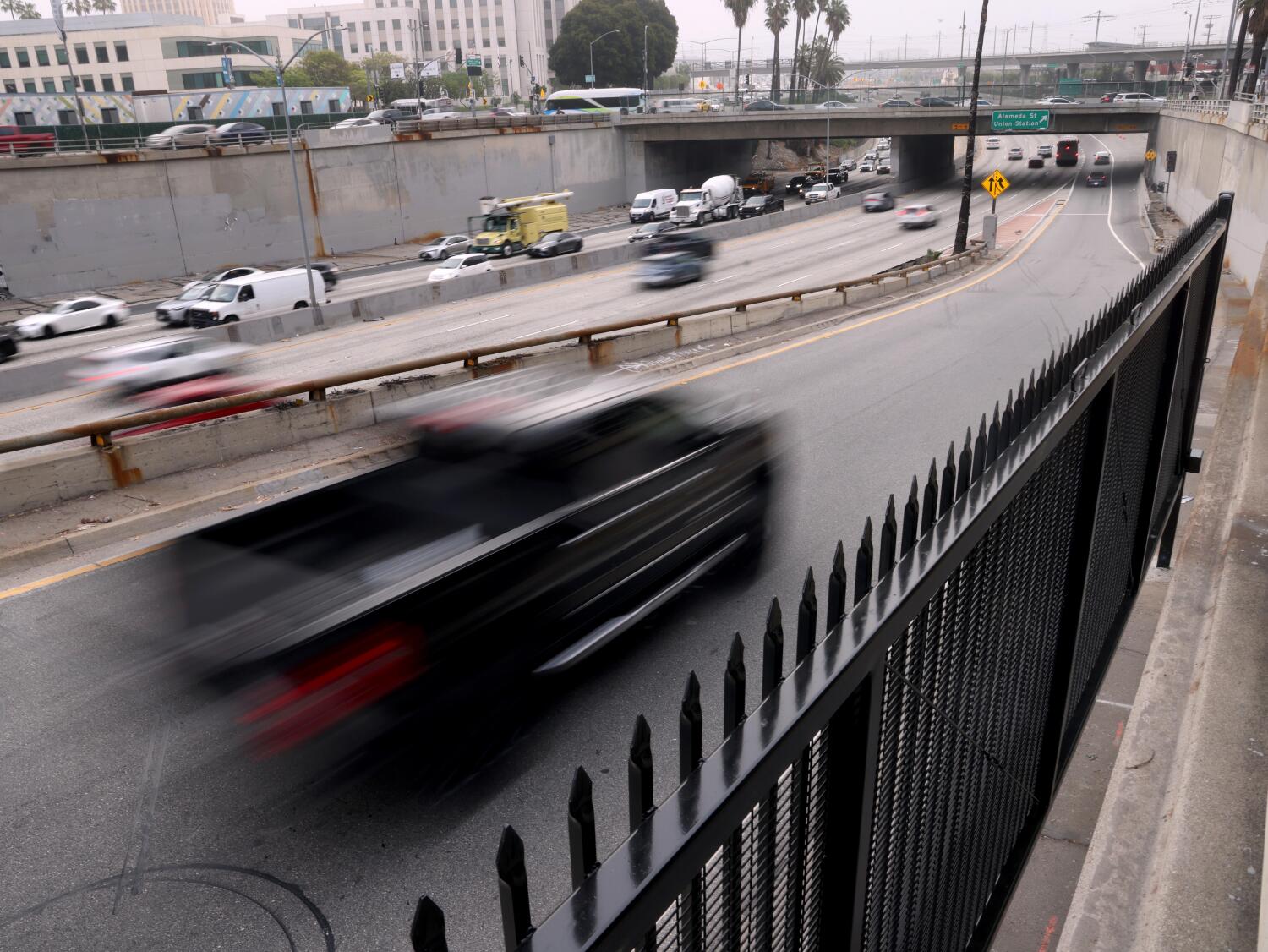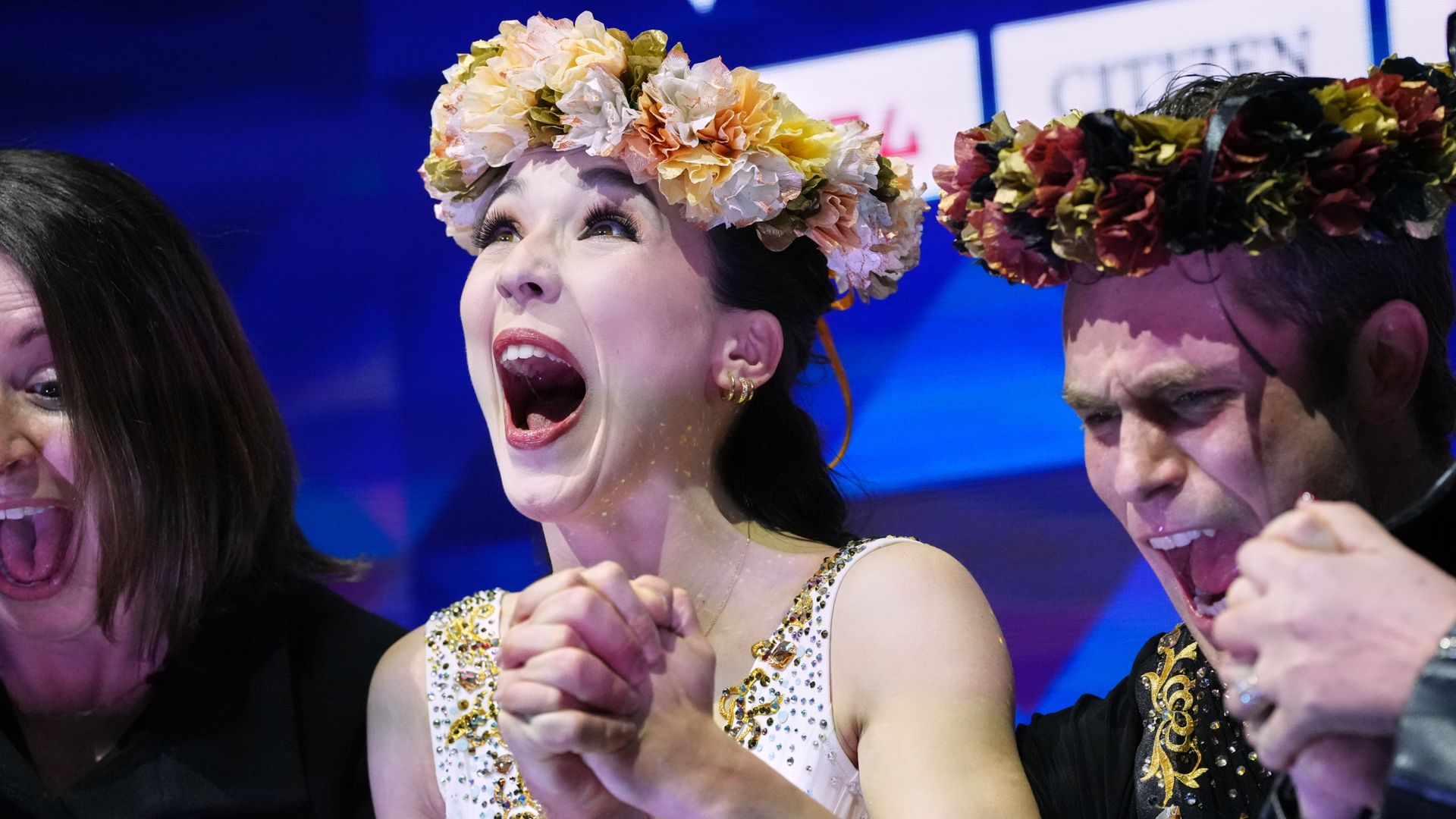
Modern photojournalism has become a high-end furniture catalog for human misery and global chaos. We scroll through "The Most Striking Pictures of the Week" like we’re browsing a gallery of $4,000 sofas. We mistake a high-contrast shadow for depth and a well-timed shutter click for truth.
The industry is obsessed with the "striking" image. But the more striking an image is, the less it actually tells you.
When you look at a perfectly composed shot of a protest or a natural disaster, you aren't looking at the event. You are looking at the photographer’s ability to find symmetry in a world that is inherently asymmetrical. The "lazy consensus" among editors at Sky, Reuters, and the AP is that visual impact equals emotional resonance. They believe that if a photo stops your thumb from scrolling, it has succeeded.
They’re wrong. It hasn’t succeeded; it has distracted you.
The Compositional Lie
The dirty secret of award-winning photojournalism is the "rule of thirds" tax. If a tragedy doesn’t fit into a clean geometric pattern, it doesn't make the "Best of" list.
I’ve sat in rooms where editors rejected raw, messy, vital photos because the lighting was "flat" or the background was "cluttered." Think about that. We are filtering the most important events of our time through a sieve of aesthetic beauty. We are literally demanding that war and famine look good before we grant them our attention.
This creates a perverse incentive for photographers to hunt for the "iconic" shot rather than the representative one.
- The Silhouette Obsession: Why do we see so many backlit figures? Because silhouettes are anonymous. They allow the viewer to project their own feelings onto the subject. It’s "relatable," but it’s a theft of identity. The subject isn’t a person anymore; they’re a shape used to fill a frame.
- The High-Saturation Grief: We’ve been trained to expect vibrant colors in our digital diets. Editors crank the saturation on mud and blood to make it "pop" on an OLED screen.
- The Telephoto Compression: By using long lenses, photographers crush the space between the foreground and background. It makes a crowd look denser and a situation look more dire than it might actually be. It’s a technical trick that serves a narrative, not the truth.
Why You Feel Nothing After Looking at Everything
Psychologists call it "compassion fatigue," but that’s a polite way of saying we’ve been over-stimulated by professional-grade sadness.
When every "striking" photo uses the same visual language—low angles to show power, high angles to show weakness, bokeh to isolate the "hero"—your brain starts to categorize them as fiction. You process a photo of a real-world conflict the same way you process a still from a Ridley Scott movie. Both are beautiful. Both are framed. Both are "striking."
By prioritizing the "wow" factor, news outlets are actually insulating us from the weight of the news. We admire the lighting. We comment on the "raw power" of the shot. Then we keep scrolling. The aesthetic quality of the image acts as a buffer. It’s too pretty to be real, so our brains treat it as art, not an emergency.
I spent years watching photographers spend twenty minutes moving a piece of rubble three inches to the left so it would "lead the eye" better. That isn't journalism. That’s stage management.
The Algorithmic Aesthetic
We have to talk about the platform. Whether it’s Sky News or an Instagram feed, these photos are competing with cat videos and skincare ads.
To win that battle, the image has to be a "thumb-stopper." The problem is that the truth is often boring, gray, and poorly lit. The truth doesn't always have a clear focal point. The most important event of the week might have happened in a room with fluorescent lights and beige walls. But that won’t make the "Striking Pictures" list.
We are creating a distorted history where only the photogenic events survive. If a crisis doesn't provide "cinematic" opportunities, it effectively doesn't exist in the public consciousness.
The Fallacy of the Single Moment
The "decisive moment" is the most overused phrase in photography. It suggests that there is one millisecond that captures the essence of a story.
This is a lie.
A single frame is a data point, not a narrative. By worshipping the "striking" single image, we ignore the boring, systemic rot that leads to the moment. We see the explosion, but we don't see the twenty years of policy failures that preceded it. The "striking" photo gives the viewer a false sense of understanding. You think because you "see" it, you "get" it.
You don’t. You just like the contrast ratio.
How to Actually See the World
Stop looking for "striking." Start looking for the mundane.
If you want to understand what is happening in the world, look for the photos that haven't been color-graded to death. Look for the photos that are a little too wide, where you can see the context, the bystanders, and the surrounding indifference.
The real power of a photograph isn't its ability to look like a painting. It’s its ability to be a witness. And witnesses are rarely "striking." They are usually tired, out of focus, and standing in bad light.
The industry needs to stop rewarding photographers for making the world’s pain look like a masterpiece.
Delete your bookmarks for "Pictures of the Week." They are nothing more than a high-resolution sedative. If you want to be informed, look at the photos that make you feel uncomfortable because of what they show, not because of how they look.
The next time you see a "striking" photo of a tragedy, ask yourself: "What did the photographer have to ignore to make this look this good?"
The answer is usually the truth.
Stop praising the frame and start questioning the lens.