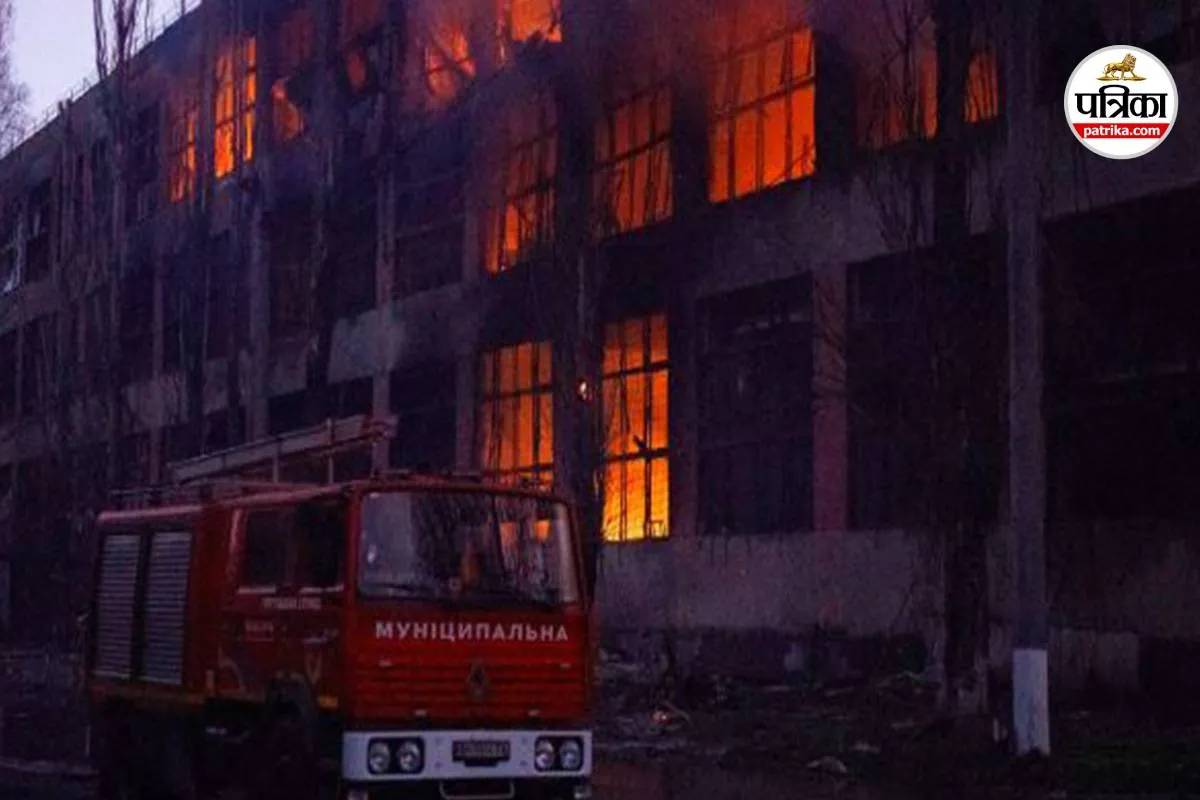
The humidity in Manila doesn’t just sit on your skin; it weights your lungs. On a Tuesday evening in the heart of the city, Elena sat in her small sari-sari store, watching the ceiling fan struggle against the stagnant air. The blades hummed a low, rhythmic protest. Outside, the neon signs of the Makati district usually painted the sky in electric violets and oranges. But tonight, there was a jittery edge to the glow. News had begun to trickle in from the television perched above the soda coolers—reports of missiles over the Persian Gulf and a sudden, sharp intake of breath from the global oil market.
Elena didn’t need to be an economist to feel the tremors. She knew that when two giants like the United States and Iran started a rhythmic clashing of shields thousands of miles away, her electric bill would be the first thing to catch fire.
The Philippines sits at the end of a very long, very fragile straw. While the archipelago boasts stunning coastlines and rising skylines, its heartbeat depends almost entirely on energy imported from elsewhere. When the Strait of Hormuz—the narrow throat through which much of the world’s oil gasps—tightens due to geopolitical strangulation, the Philippines feels the chokehold instantly.
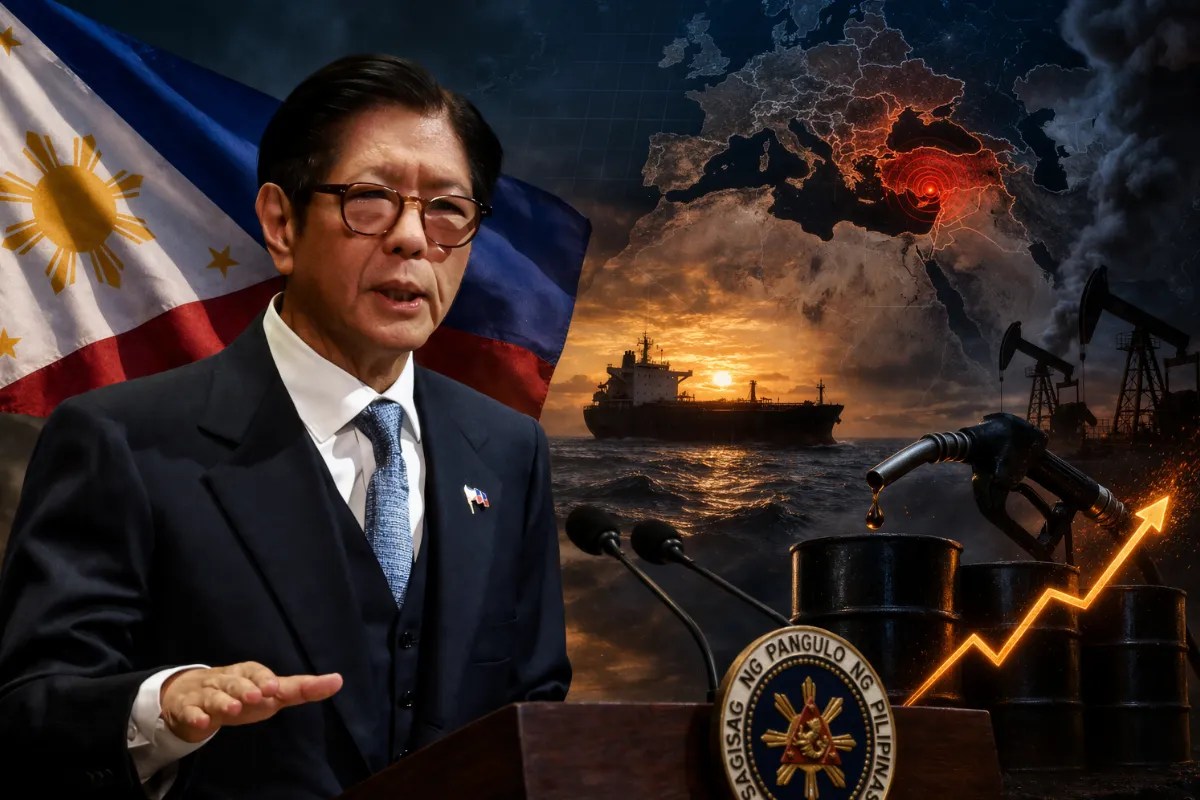
President Ferdinand Marcos Jr. didn’t just sign a piece of paper declaring a national energy emergency. He acknowledged a terrifying reality: the country’s energy security is a hostage to fortune.
The Geography of Vulnerability
The crisis isn't just about a rising number on a gas station LED board. It is a structural nightmare. The Philippines relies heavily on coal and oil-fired power plants to keep the lights on. Much of the fuel powering those plants travels through the very waters currently being patrolled by warships and shadowed by the threat of retaliation.
Consider the "Choke Point."
When tensions between Washington and Tehran escalate, the price of Brent crude doesn't just climb; it leaps. For a nation like the Philippines, which imports nearly 90% of its fuel requirements, this isn't a market fluctuation. It is a national security breach. The emergency declaration was a signal to the world that the pantry is nearly empty and the neighbors are fighting in the street.
The government’s move to declare an emergency wasn't born of panic, but of a desperate need for maneuverability. Under normal circumstances, bureaucracy moves with the speed of a glacier. An emergency declaration allows the executive branch to bypass certain bidding processes, fast-track energy projects, and, most importantly, manage the rationing of power if the tankers stop arriving.
The Invisible Tax on the Poor
Back at the sari-sari store, Elena looked at her refrigerator. It’s an old model, a white monolith that keeps the San Miguel beer cold and the ice candy frozen. In a country under an energy emergency, that refrigerator becomes a predator.
When the cost of generation rises, the Department of Energy often has no choice but to pass those costs down the line. We call it "inflation," a sterile word that masks the reality of a mother deciding between keeping the lights on for her children to study or buying an extra kilo of rice. The Philippines already has some of the highest electricity rates in Southeast Asia. We pay more for a kilowatt-hour than many residents of Tokyo or New York.
Why? Because we lack the "baseload" stability that comes from having your own backyard full of fuel. We are buyers in a seller’s market that is currently being shaken by the tremors of war.
The tension between the U.S. and Iran acts as a multiplier. It isn't just that the oil gets more expensive; it’s that the insurance for the ships carrying the oil skyrockets. The shipping lanes become "war zones" in the eyes of underwriters. Every cent added to a barrel of oil cascades down to the price of a jeepney ride in Quezon City and the cost of a bag of cement in Cebu.
The Malampaya Ghost
For years, the Philippines had a secret weapon: the Malampaya gas field. It was the crown jewel of domestic energy, providing a significant chunk of Luzon’s power needs. But Malampaya is a dying star. Its reserves are depleting, and the search for a replacement has been bogged down by territorial disputes in the South China Sea—or the West Philippine Sea, depending on who you ask.
This is the irony of the Filipino energy landscape. We are surrounded by potential. The sun beats down on us with a ferocity that could power a continent. The wind whips through our northern corridors. The volcanic heat under our feet makes us the second-largest producer of geothermal energy in the world.
Yet, we remain shackled to the fossil fuels of the Middle East.
The emergency declaration is a frantic attempt to bridge the gap between a dying past and an unbuilt future. It is a plea for investment in Liquefied Natural Gas (LNG) terminals and a desperate hope that the transition to renewables can happen before the next missile is launched in the Middle East.
The Human Toll of a Flickering Grid
Imagine a hospital in a provincial town. The generators are primed, but diesel is scarce and the price is tripled. A surgeon works under the constant threat of a "brownout"—the Filipino term for a blackout that has become so common it’s part of the cultural vocabulary.
This is the "energy emergency" in its rawest form. It isn't a set of statistics presented in a boardroom in Manila. It is the fear that the ventilator will stop. It is the small business owner watching their frozen inventory melt into a puddle of lost profit. It is the call center worker, the backbone of the modern Filipino economy, losing their connection to a client in London because the local substation couldn't handle the load.
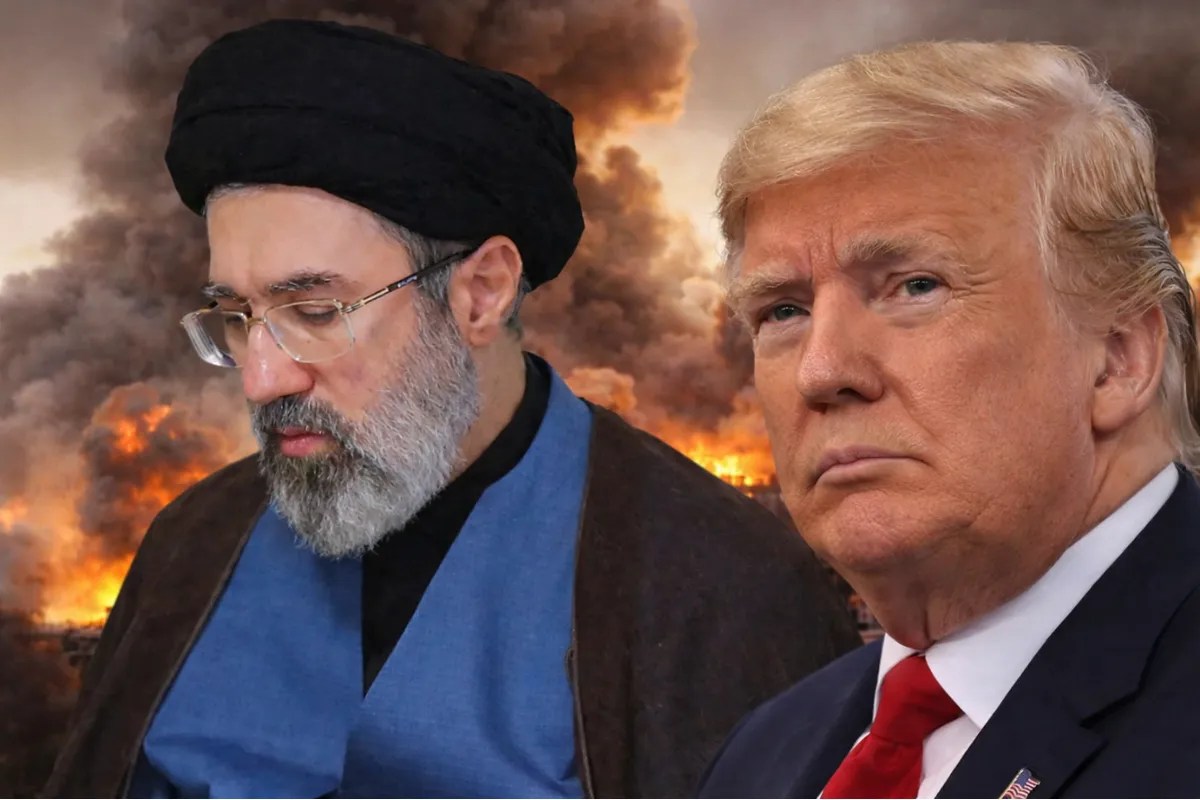
The global oil crisis triggered by the U.S.-Iran friction is the catalyst, but the vulnerability is homegrown. We have built a house of cards in a wind tunnel.
The Strategy of Survival
The government is now pushing for "demand-side management." This is a fancy way of telling people to turn off their air conditioners. They are looking at "interruptible load programs," where big malls and factories use their own generators during peak hours to leave enough power in the grid for residential areas.
But these are Band-Aids on a gunshot wound.
The real struggle is the "Energy Trilemma." How do you balance energy security (having enough), energy equity (making it affordable), and environmental sustainability (not burning the planet)? In the middle of an emergency, the third pillar—sustainability—often gets kicked aside. We return to coal. We return to whatever is available, regardless of the carbon cost, because a dark city is a dangerous city.
The declaration also serves as a geopolitical megaphone. By announcing an emergency, the Philippines is telling its allies—specifically the United States—that their foreign policy decisions have visceral, localized consequences for their partners in the Pacific. It is a reminder that when Washington pivots to the Middle East, the ripples can capsize small boats in the Philippines.
The Looming Shadow
Night fell completely in Manila. Elena turned off one of the two light bulbs in her store to save a few pesos. She sat in the dimness, the blue light of her phone illuminating her face as she scrolled through more news.
There is a specific kind of silence that happens when a city expects the power to fail. It’s a waiting silence.
The crisis in the Middle East may de-escalate. The tankers may keep moving. The price of oil might settle into a dull ache rather than a sharp pain. But the emergency declaration remains a haunting testament to how fragile our modern lives truly are. We are connected by invisible threads of oil and gas to places we will never visit, to conflicts we don't fully understand, and to leaders who do not know our names.
The fan in the sari-sari store slowed for a second, a dip in the voltage making the motor groan, before picking up speed again.
Elena sighed and reached for a manual fan made of dried palm leaves. She began to wave it back and forth, a low-tech solution for a high-stakes world. She was ready for the dark, even if she hoped it wouldn't come.
The world is a complex machine, and right now, the gears are grinding against each other. In the Philippines, we are simply trying to make sure we don't get caught in the teeth.
The lights flickered. Once. Twice. Then, they held. For now.
Would you like me to research the current status of the Malampaya gas field or the specific renewable energy projects the Philippine government is fast-tracking under this emergency?