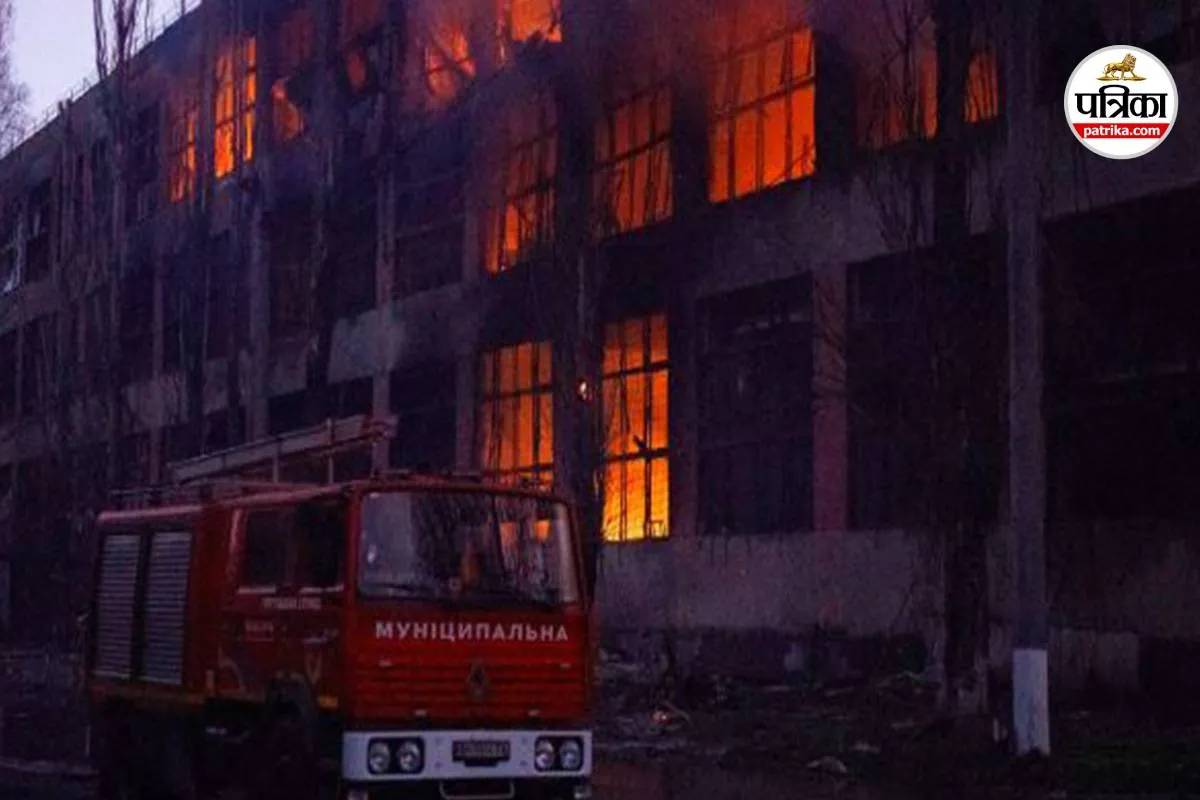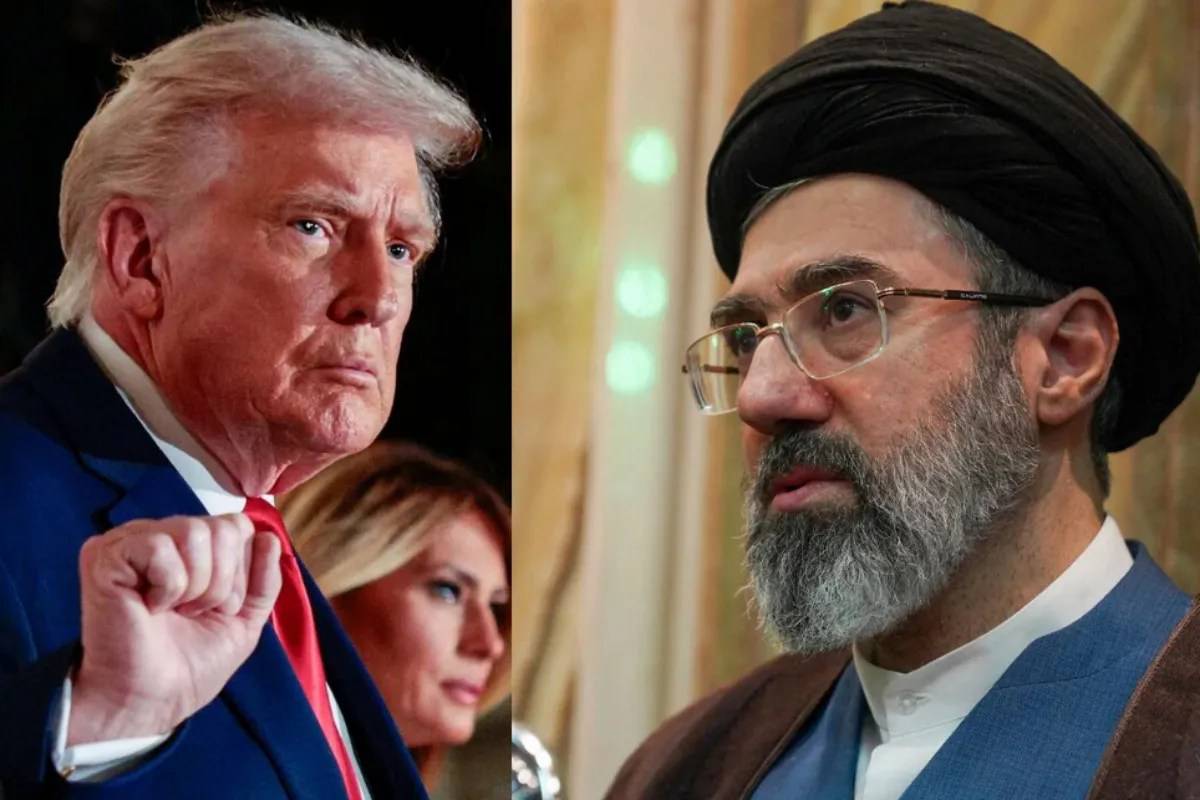
The smoke rising from the refineries in Abadan is visible from space, but the real fire is burning in the diplomatic cables passing through Muscat and Islamabad. As of late March 2026, the month-old war between the United States, Israel, and Iran has reached a deadly stasis. Washington believes it has the Islamic Republic on the ropes following the February 28 strikes that decapitated much of the regime's leadership, including Ali Khamenei. Yet, Tehran’s counter-offer to President Trump’s 15-point "surrender" plan suggests a regime that, while bruised, is far from broken.
Iran has formally rejected the American proposal, countered with five non-negotiable conditions, and issued a chilling warning: the global economy will bleed alongside the Iranian people if the "aggression" continues. At the heart of this defiance is the Strait of Hormuz, a narrow chokepoint through which 20% of the world's oil flows. Tehran is no longer just threatening to close it; they are demanding a new legal framework that recognizes their "natural and legal right" to control all maritime activity within it.
The Five Pillars of Iranian Resistance
The Iranian counter-proposal, delivered via Pakistani mediators, is a masterclass in asymmetric diplomacy. It ignores the American demands for nuclear dismantling and instead focuses on what Tehran calls "restoring the balance of sovereignty."
- Sovereignty over the Strait: A demand for international recognition of Iran's absolute authority over the Strait of Hormuz. This would effectively give Tehran the power to tax, inspect, or block any vessel entering the Persian Gulf.
- Comprehensive War Reparations: Iran is demanding hundreds of billions of dollars in "blood money" for the destruction of its infrastructure and the "martyrdom" of its leadership.
- Regional Proxy Immunity: A ceasefire must include an immediate halt to Israeli operations in Lebanon and Gaza. Tehran refuses to abandon the "Axis of Resistance," viewing it as its primary external defense layer.
- Total US Withdrawal: The closure of all American military bases in West Asia. This is a long-standing grievance, but it is now being framed as a prerequisite for any pause in hostilities.
- Irreversible Guarantees: Concrete, legally binding mechanisms to prevent the US or Israel from resuming "assassinations and aggression" in the future.
These aren't just requests; they are a calculated gamble. By tying a ceasefire in Tehran to a ceasefire in Beirut and Gaza, Iran is forcing the White House to choose between a localized victory and a regional conflagration.
The Trump Doctrine Meets the Persian Wall
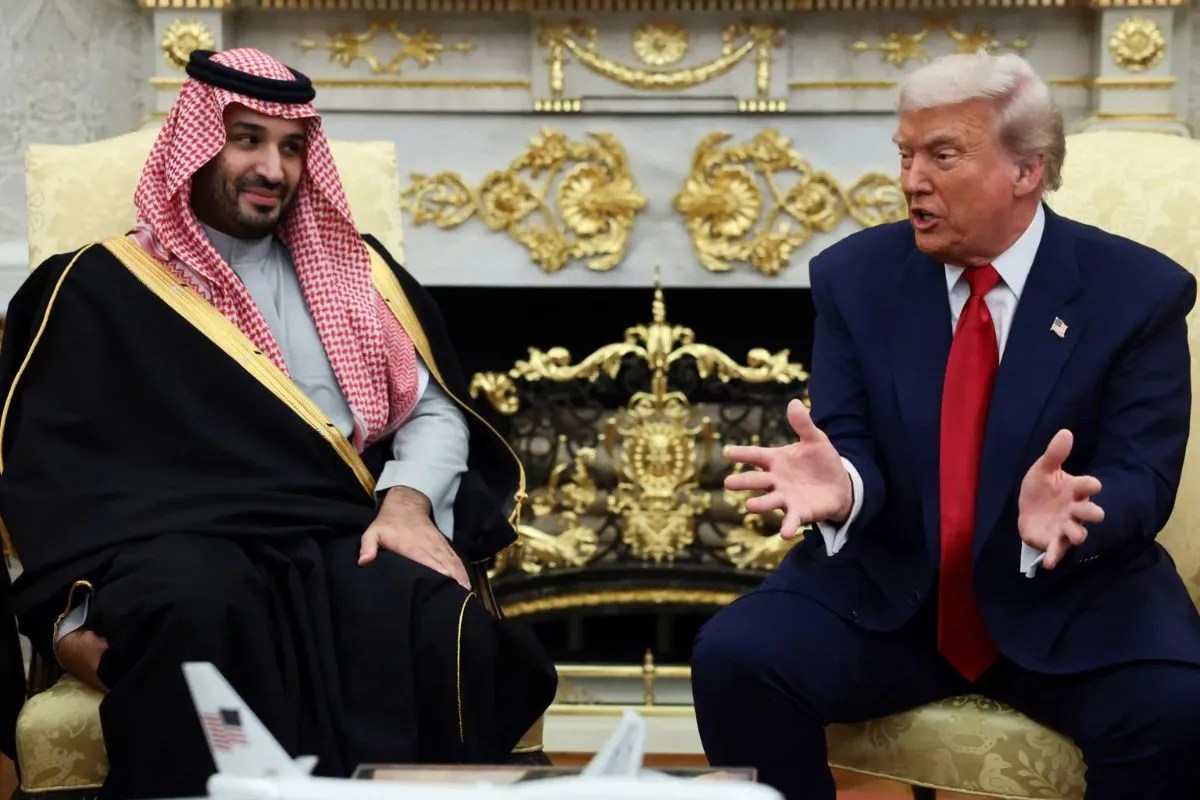
The White House, led by Press Secretary Karoline Leavitt, has characterized these demands as the "delusions of a defeated regime." The Trump administration’s 15-point plan is essentially a demand for total capitulation: the handover of all enriched uranium, the dismantling of the ballistic missile program, and the end of all proxy funding.
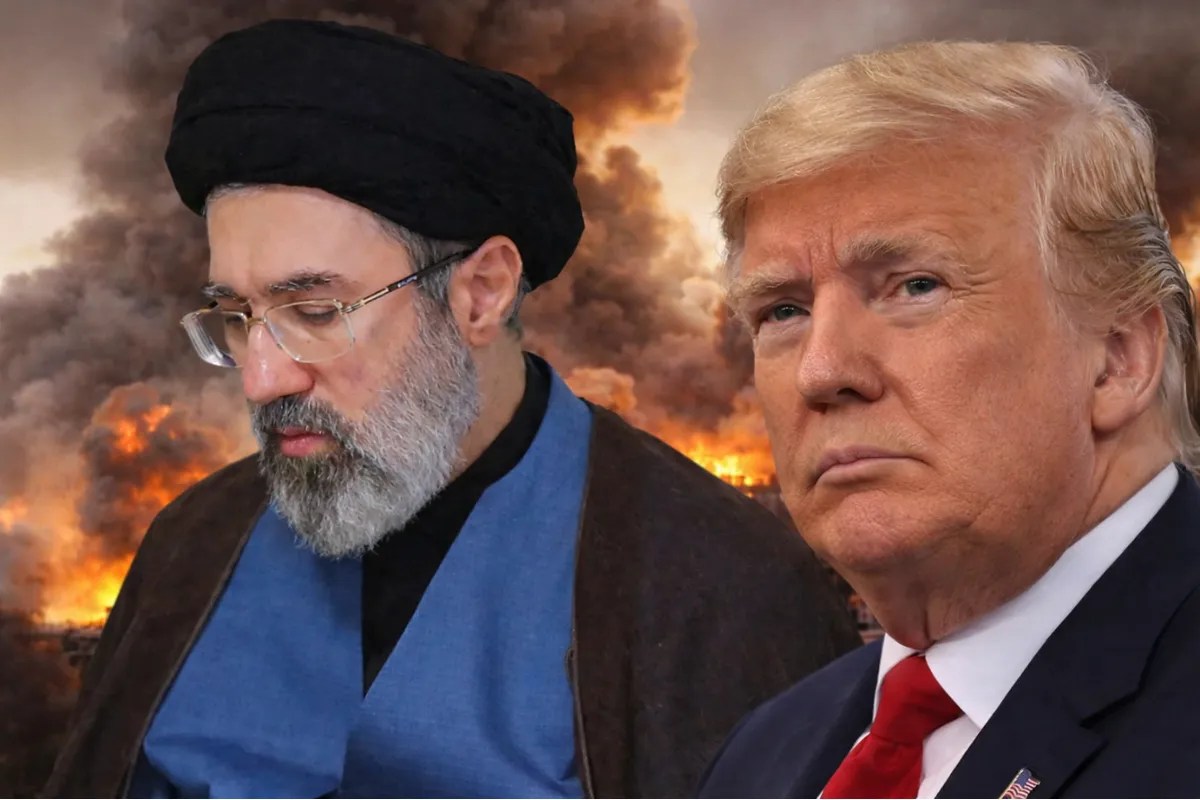
However, the "victory" Washington envisioned on February 28 has proven elusive. While the initial strikes were tactically brilliant—neutralizing Iranian air defenses and taking out the Supreme Leader—the aftermath has been a chaotic mess. The selection of Mojtaba Khamenei as the third Supreme Leader by the Assembly of Experts was a signal of continuity that the West did not expect. Instead of collapsing under the weight of "Operation Epic Fury," the Iranian state has transitioned into a "war footing" economy, shifting from gasoline subsidies to cash transfers and preparing for a long-term siege.
The Economic Ghost in the Room
While the generals talk about kill chains and missile silos, the real pressure is being felt at the gas pump. Since the war began, Brent crude has surged from $73 to over $107 per barrel. The global supply chain, already fragile from years of post-pandemic volatility, is buckling.
The Iranian strategy is simple: make the war more expensive for the world than it is for the regime. By striking Kuwaiti fuel tanks and disrupting LNG production, Tehran is sending a message to Trump’s base. They know that an American president’s greatest enemy isn't a foreign dictator—it's $6-a-gallon gasoline and triple-digit inflation during a midterm election cycle.
The Looming Threat of Dollarization
Inside Iran, the situation is even more dire. Inflation is pushing toward 100%, and the rial has effectively collapsed. The "dollarization" of the Iranian economy is no longer a theory; it is a lived reality. Businesses in Tehran are now quoting prices in USD or gold, ignoring the central bank’s dictates.
This creates a paradox for the US. A total economic collapse in Iran could trigger a massive humanitarian crisis and a power vacuum that groups like ISIS—who recently saw thousands of affiliates escape from the al-Hol camp—are eager to fill. Washington wants a compliant Iran, not a failed state.
The Deadlock of 2026
We are currently in a dangerous holding pattern. The US is preparing for a second wave of "harsher" strikes if Tehran does not capitulate, while Iran is digging into its coastal caves, readying its "thousand-drone" swarm for a final stand in the Gulf.
The Iranian Foreign Minister, Abbas Araghchi, has been clear: "We do not plan on any negotiations." This is a classic Persian negotiating tactic—the taarof of war. By publicly refusing to talk while privately sending 5-point counter-offers through Pakistan, Tehran is trying to see who blinks first.
The hard truth is that neither side has a clear exit strategy. Trump wants a "Big Deal" that he can brand as a historic victory. The Iranian regime wants survival and the removal of the existential threat to its doorstep. Between these two immovable objects lies a region on the brink of a "Great Reset" that no one is truly prepared for.
If you want to understand the next phase of this conflict, watch the tankers in the Arabian Gulf. If they stop moving, the war has only just begun.
Would you like me to analyze the specific military capabilities Iran has deployed along the Strait of Hormuz to enforce their "legal right" over the waterway?