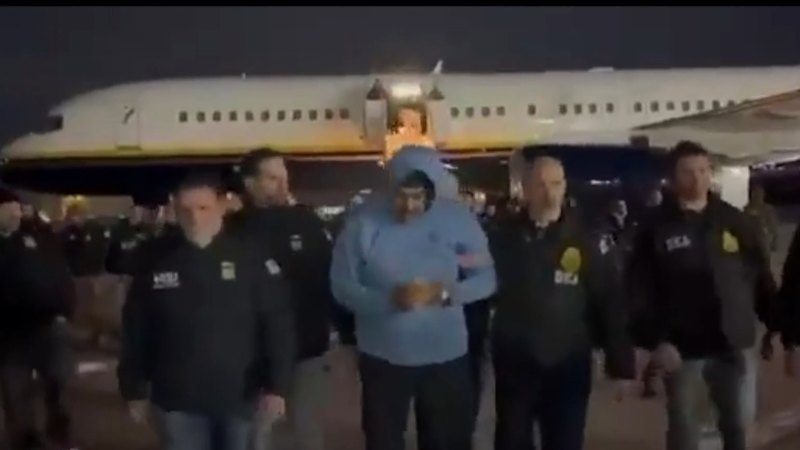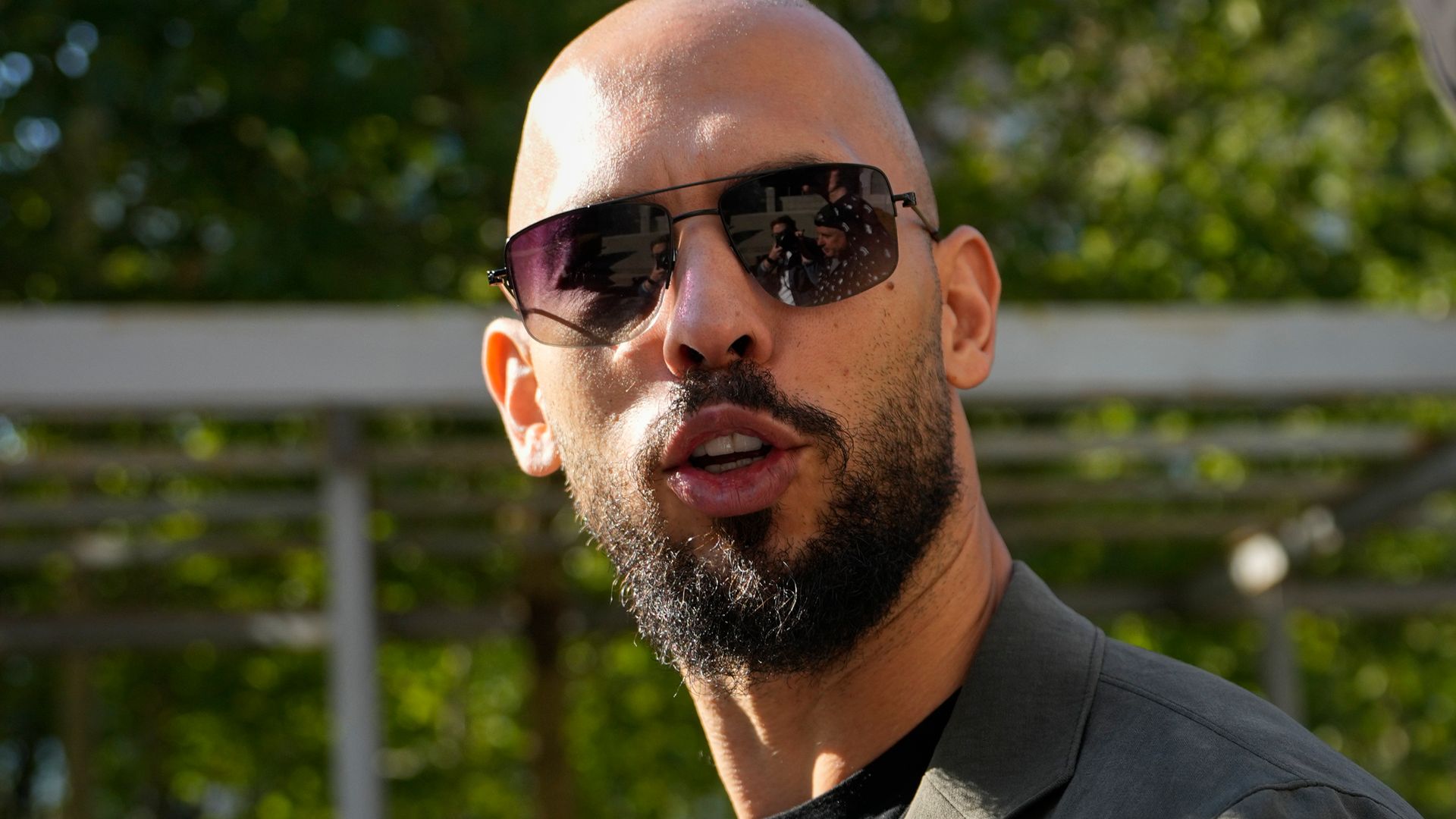
Hertfordshire Constabulary has reopened its criminal investigation into Andrew Tate regarding allegations of rape and sexual assault, a move that effectively dismantles a seven-year stalemate. This decision, confirmed on March 26, 2026, forces a total reassessment of the legal timeline for the self-described "Top G." While the Crown Prosecution Service (CPS) previously maintained that the evidence did not meet the threshold for a realistic prospect of conviction, the intervention of the police watchdog has flipped the script.
The reversal follows a blistering assessment by the Independent Office for Police Conduct (IOPC), which identified systemic "alleged failures" in the original probe conducted between 2014 and 2019. This is not just a procedural hiccup. It is a fundamental admission that the initial four-year investigation may have been botched at the foundational level. For the three women who first brought these claims forward over a decade ago, the reopening of the case represents a pivot from civil litigation back into the realm of criminal accountability.
The Architecture of a Failed Investigation
To understand why this is happening now, one must look at the debris of the 2019 closure. For years, the narrative from the Tate camp was that the UK authorities had "cleared" him. That was a convenient oversimplification. In reality, the case was shelved not because the allegations were proven false, but because the investigative process reached a dead end that the IOPC now suggests was self-inflicted by the police.
The watchdog is currently scrutinizing the conduct of a former detective constable who faces potential gross misconduct proceedings. Two former detective sergeants are also under the microscope for their roles in supervising a probe that allegedly missed critical windows for evidence collection. When a police force admits it must "do what is right" by reinvestigating decade-old claims, it signals that the original file was likely missing the rigor required for a successful prosecution.
Two Fronts and a Looming Extradition
The UK legal landscape for Tate is now a two-pronged offensive. On one side, the High Court is preparing for a civil trial in June 2026, where four women—including the three involved in the criminal reinvestigation—are suing for damages. Civil courts operate on the balance of probabilities, a much lower bar than the "beyond reasonable doubt" required in criminal court.
However, the reopening of the criminal file by Hertfordshire Constabulary adds a layer of extreme volatility to Tate’s current status in Romania. While he recently celebrated a "victory" allowing him to travel within the European Union, he remains tethered to the Romanian judicial system for charges of human trafficking and rape.
The "Operation Moonwalk" investigation by Bedfordshire Police has already secured a European Arrest Warrant for separate allegations of rape and human trafficking. The agreement between London and Bucharest is clear: the Tates will be handed over to British authorities the moment the Romanian proceedings conclude. By reopening the Hertfordshire case, the UK is effectively widening the net, ensuring that if Tate ever touches British soil, he won't just be facing the Bedfordshire charges, but a resurrected set of allegations that he thought were buried forever.
The Mechanics of the Allegations
The details emerging from court documents are harrowing and go far beyond the "lifestyle influencer" persona Tate projects. The claimants describe a pattern of behavior that includes:
- Physical Coercion: Allegations of assault with a belt and repeated strangulation.
- Psychological Terror: One woman alleges Tate held a gun to her face while issuing verbal threats.
- Sexual Violence: Explicit claims of rape and "coercive control" during the period of 2013 to 2015.
Tate’s defense has remained static for years, dismissing these claims as a coordinated "shakedown" and a "pack of lies." His legal team argues that the women were never under his control and that the CPS was right to drop the case the first time. But the CPS's previous reluctance is now being framed by victims' advocates as a symptom of a failed police referral rather than a lack of merit in the claims themselves.
Why the CPS Test Failed
In the UK, the CPS applies a two-stage test: is there enough evidence, and is a prosecution in the public interest? In 2025, the CPS reiterated that the legal test had not been met for the Hertfordshire allegations. However, if the IOPC proves that the police failed to properly secure witness statements or digital evidence back in 2015, the "lack of evidence" becomes a failure of the state, not a vindication of the suspect.
Reopening the case allows the police to apply modern investigative techniques to old data. In a world of archived cloud storage and recovered metadata, "old" evidence isn't always gone; it’s often just waiting for a warrant with more teeth.
The Global Legal Squeeze
The timing is a nightmare for the Tate estate. In Romania, authorities have already seized assets totaling nearly $4 million, including luxury vehicles and properties. In the United States, they face additional civil scrutiny. The UK’s decision to reignite the criminal flame ensures that there is no "safe" jurisdiction left for them.
The strategy of the defense has been to delay and obstruct, hoping the public or the witnesses lose interest. That strategy is hitting a wall. The June civil trial will force Andrew Tate to face cross-examination in the High Court, providing a public preview of the evidence that Hertfordshire police are now re-evaluating for criminal charges.
This isn't a "matrix" conspiracy. It is the slow, grinding machinery of a legal system attempting to correct its own past incompetence. The "Top G" brand was built on the idea of being untouchable, but the reopening of this investigation suggests that the past is finally catching up.
Would you like me to track the specific disciplinary hearings for the officers involved in the original 2014 investigation?