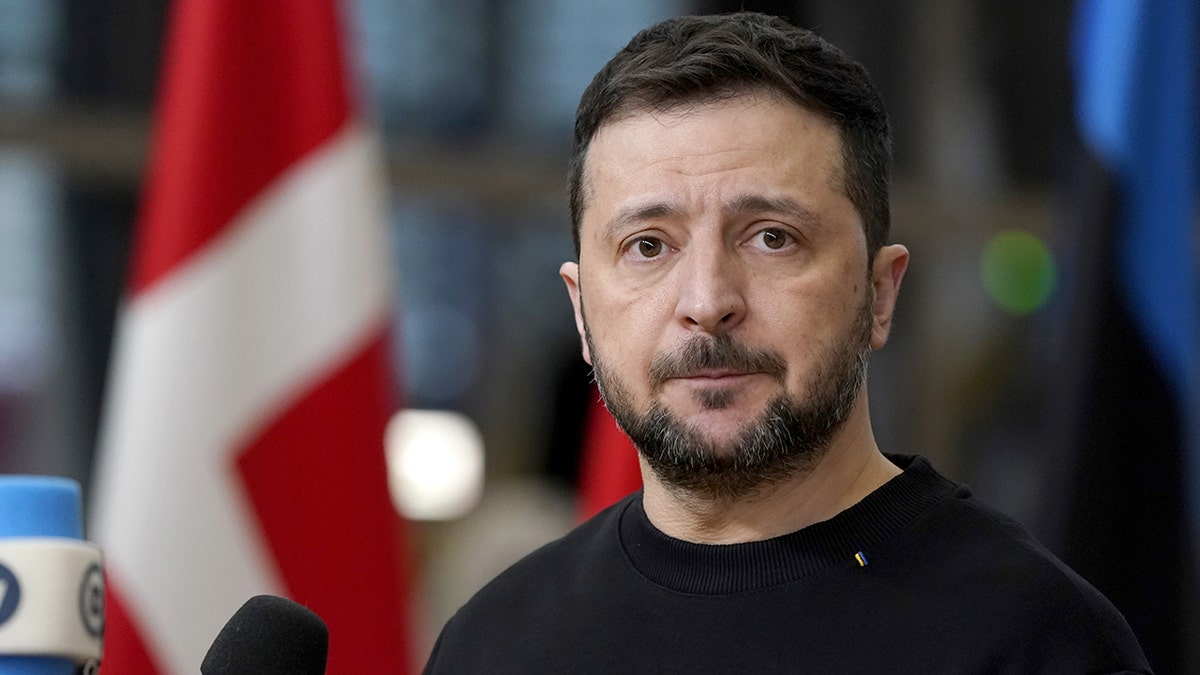
The headlines are breathless. Ukraine signs defense cooperation deals with the UAE and Qatar. Volodymyr Zelenskyy visits the Gulf and returns with a briefcase full of "strategic partnerships." The mainstream media treats this like a masterstroke of diplomatic chess. They see a war-torn nation diversifying its supply lines and finding new "allies" in the desert.
They are wrong.
These agreements are not a breakthrough. They are a desperate pivot toward a region that has perfected the art of playing both sides of the fence while sitting on a goldmine. If you think Abu Dhabi or Doha is about to become the new arsenal of democracy, you haven't been paying attention to the last decade of Middle Eastern realpolitik.
The Neutrality Trap
The lazy consensus suggests that these deals represent a shift in Gulf alignment. It’s a comforting thought for those who want to see a global coalition against Russian aggression. But the Gulf states aren't interested in coalitions. They are interested in hedging.
The UAE and Qatar have spent years cultivating a relationship with Moscow that is far deeper than a few memoranda of understanding (MoUs) signed with Kyiv. The UAE, in particular, has become a primary hub for Russian capital and a key node in the "gray market" that keeps the Russian economy breathing under sanctions.
When a nation like the UAE signs a defense cooperation agreement with Ukraine, they aren't picking a side. They are buying an insurance policy against Western criticism. It is a performative gesture designed to keep Washington off their backs while they continue to facilitate the very trade that funds the Russian war machine.
The Myth of Gulf Munitions
We hear "defense cooperation" and we imagine production lines of shells and drones flowing toward the Donbas. This is a fundamental misunderstanding of what these countries actually offer.
The Gulf states do not have a massive, indigenous military-industrial complex capable of sustaining a high-intensity land war in Europe. Most of their high-end hardware is imported from the United States or Europe. They are consumers, not primary producers.
What they do have is money and a growing interest in sovereign wealth investment in defense tech. But investing in a Ukrainian defense startup is a ten-year play. It does nothing for a soldier in a trench today.
Why the "Qatar Model" Fails Ukraine
Qatar’s role is primarily as a mediator. They thrive on being the world’s most expensive switchboard—connecting the Taliban to the U.S., or Hamas to Israel. For Ukraine, Qatar offers a "platform for dialogue."
Dialogue is a luxury Ukraine cannot afford. You don't negotiate your way out of an existential invasion with a mediator who is also making multibillion-dollar energy plays with your aggressor. Qatar’s "cooperation" is largely symbolic, aimed at maintaining their status as the indispensable middleman of the 21st century.
Follow the Real Money
If you want to see where the actual influence lies, stop looking at the photo ops and start looking at the commodity markets. The OPEC+ alliance, which includes both Saudi Arabia and Russia, is the most significant geopolitical reality in the region.
The Gulf states will never prioritize a defense agreement with Ukraine over the stability of oil prices. They need Russia to stay at the table to manage global supply.
Imagine a scenario where the UAE provides Ukraine with advanced surveillance drones. If Moscow reacts by threatening to flood the oil market or disrupting Gulf shipping interests through their Iranian proxies, the UAE will drop that "defense cooperation" faster than a hot shell casing.
The Western Diversion
Western pundits love these deals because they create a narrative of a "global South" rising to support the Ukrainian cause. They want to believe that the world is uniting.
The reality is that these "partnerships" are a distraction. They give the West an excuse to look away from the failure of their own defense industrial base. If the U.S. and Europe were actually producing the 155mm shells Ukraine needs at the pace required, Zelenskyy wouldn't have to fly to the Gulf and beg for cooperation from countries that haven't fought a high-intensity ground war since the Cold War.
The Strategy of the False Friend
The Gulf states are masters of the "strategic pause." They sign an MoU, they take the photo, they promise the cooperation—and then they wait to see who is winning.
These deals are a mirage for several reasons:
- Transactional, not Ideological: The Gulf is a market, not a movement. If Russia offers a better deal on energy or regional security, the Ukraine MoUs will sit in a filing cabinet gathering dust.
- Intellectual Property and Sanctions: Many of the high-tech components the Gulf states "produce" are actually Western-designed. Any transfer of this technology to Ukraine would trigger massive export control issues from the original manufacturers.
- Russia’s Presence: From the Port of Fujairah to the real estate markets of Dubai, Russia is everywhere in the Gulf. The idea that these countries would risk their lucrative relationship with Russian oligarchs for a few defense contracts with a cash-strapped Kyiv is naive.
The "defense cooperation" with the UAE and Qatar is a PR victory for Zelenskyy, and a PR victory only. It’s a way to show his people that he’s still out there, working the room. But on the ground, where the metal meets the mud, it’s worth about as much as the paper it’s printed on.
Stop looking to the Gulf for a savior. They aren't in the business of saving nations; they're in the business of surviving them.