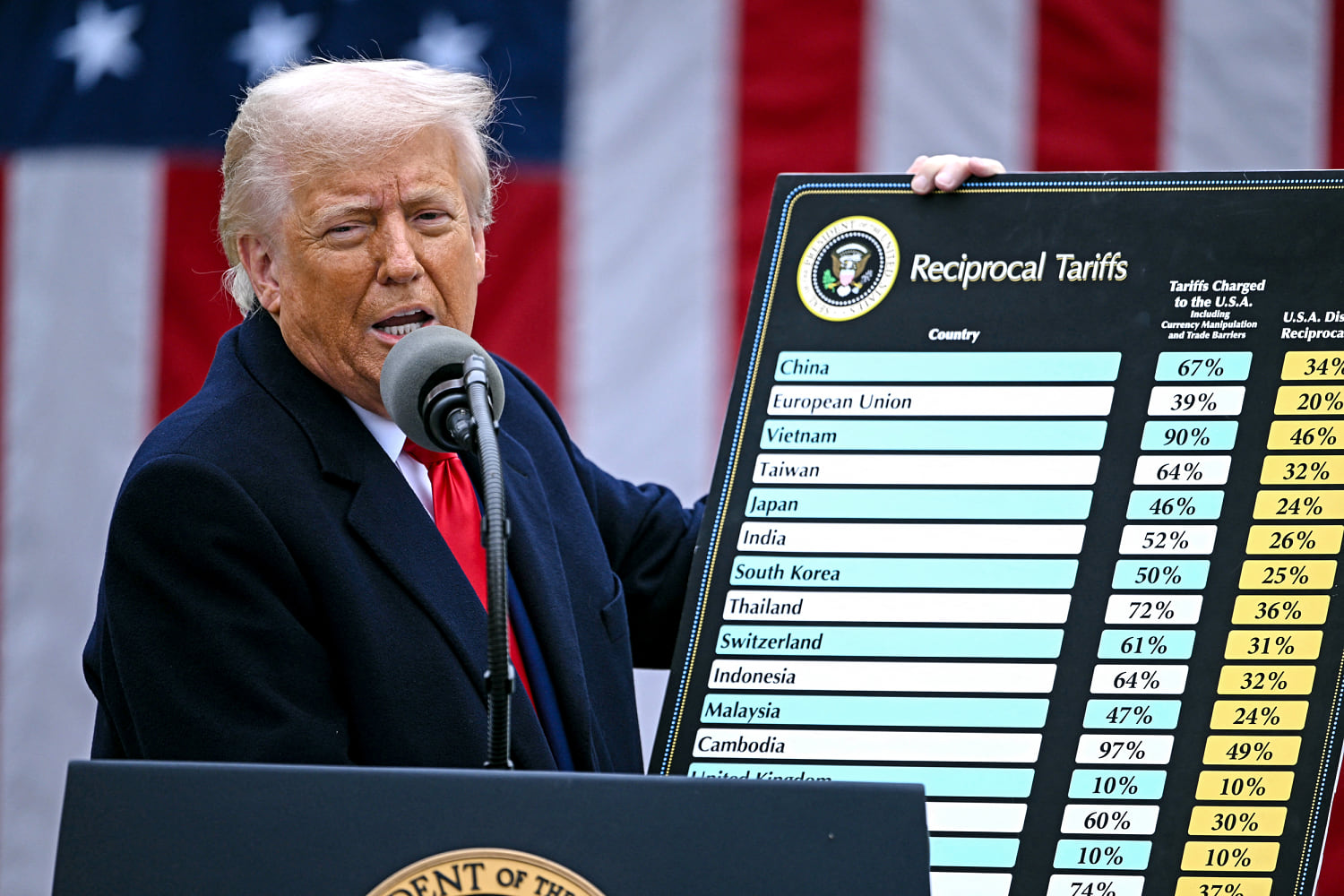
Donald Trump just opened a fresh front in his global trade war, and if you think this is a repeat of 2018, you’re looking at the wrong map. On Wednesday, U.S. Trade Representative Jamieson Greer confirmed the administration is launching sweeping Section 301 investigations into China, South Korea, Japan, and over a dozen other economies. This isn't just about "getting a better deal." It’s a calculated pivot after the Supreme Court clipped the President’s wings by striking down his emergency "Liberation Day" tariffs last month.
The high court basically told the White House it couldn't use the International Emergency Economic Powers Act (IEEPA) as a magic wand for import taxes. Trump’s response? He's gone back to the 1974 Trade Act—the heavy artillery of American protectionism.
The Pivot to Section 301
Section 301 is the same tool used to hammer China during Trump’s first term. It’s effective because it gives the executive branch broad authority to punish "unreasonable or discriminatory" trade practices. By targeting production capacity that "isn't aligned with market incentives," the administration is going after the structural guts of foreign economies.
We’re talking about overproduction and persistent trade surpluses. The White House is done playing nice with partners who rely on state subsidies to flood the U.S. market with cheap goods. If you’re a manufacturer in Seoul or Tokyo, the "America First" lens is now focused directly on your factory output.
The goal here is simple. The administration wants to replace the flat 10% or 15% universal tariffs—which are currently being bogged down by lawsuits from over 20 states—with targeted, legally defensible strikes. It’s a more surgical way to exert pressure while the White House tries to navigate a "collapse of America’s leverage mechanism" caused by recent legal setbacks.
Who is in the Crosshairs
The list isn't just the usual suspects. While China remains the primary antagonist, the inclusion of key allies like South Korea and Japan signals a "no friends in trade" policy. The USTR argues these nations have developed manufacturing sectors that simply don't match global demand.
- China: Still the big fish. Even with a trade truce reached in late 2025, the U.S. is pushing for more. The trade deficit with China dropped 32% last year, but that’s not enough for this White House.
- South Korea and Japan: Targeted for their auto and tech exports. The USTR specifically mentioned underutilized capacity and surpluses that "harm the competitiveness of U.S. exports."
- European Union: While not the immediate focus of this specific Wednesday announcement, the EU is already reeling from the previous year's 15% tariffs. Porsche, for instance, saw revenue slump 12% in early 2026 due to North American trade friction.
Why the Timing Matters
You can’t ignore the calendar. This move comes just weeks before a high-stakes summit in Beijing between Trump and Xi Jinping. By launching these investigations now, Trump creates a fresh pile of bargaining chips. He’s essentially saying, "The Supreme Court took my tariffs, so I’m building a new wall, brick by brick."
The economic backdrop is messy. The U.S. lost 92,000 jobs in February 2026. Unemployment is ticking up to 4.4%. Critics, including many Senate Democrats, argue this constant volatility is "eroding the Most-Favored-Nation (MFN) principle" that has underpinned global trade for decades. They think it’s making America poorer by raising prices at the checkout counter.
The Real Cost to You
Honestly, if you’re buying a car or a laptop this year, you’re the one paying for this strategy. The Tax Foundation estimates that even after the Supreme Court's ruling, remaining tariffs will cost the average U.S. household about $600 in 2026. Businesses have learned to pass these costs directly to you. It's a hidden tax disguised as national security.
The administration’s "Agreement on Reciprocal Trade" (ART) program has technically boosted exports by $199 billion. But that growth is happening in a vacuum of high energy prices and global instability. Trump is betting that short-term pain—higher prices and supply chain hiccups—will eventually force factories back to American soil.
What You Should Do Now
If you’re running a business or managing an investment portfolio, don't wait for a "return to normal." It isn't coming.
- Audit your supply chain immediately. If your components come from the 13+ countries under investigation, start looking for domestic or "aligned" alternatives in Mexico or Canada that fall under USMCA protections.
- Hedge for inflation. With oil hovering near $100 and new tariffs looming, consumer prices won't stay flat.
- Watch the Court of International Trade. The next few months of litigation will determine if Section 122 and Section 301 hold up where IEEPA failed.
The era of predictable, rules-based trade is over. We’re in a period of asymmetrical negotiation where the only rule is reciprocity. Get used to the volatility; it’s the new baseline for 2026.