Beijing is trying to play the hero in a crisis they’re helping to fuel, and Taiwan isn’t buying it. As the West Asian war—specifically the escalating conflict in Iran—chokes off global oil and gas routes, China’s Taiwan Affairs Office recently dangled a "reunification" carrot. The offer? Accept Beijing’s rule, and you’ll never have to worry about a blackout again.
It’s a classic protection racket. Beijing sees the chaos in the Strait of Hormuz, where roughly a third of Taiwan’s liquefied natural gas (LNG) is currently stuck or rerouted, and thinks they’ve found the ultimate leverage. But Taipei’s rejection was swift and, honestly, quite predictable. Don't forget to check out our previous post on this related article.
The Energy Trap Behind the Offer
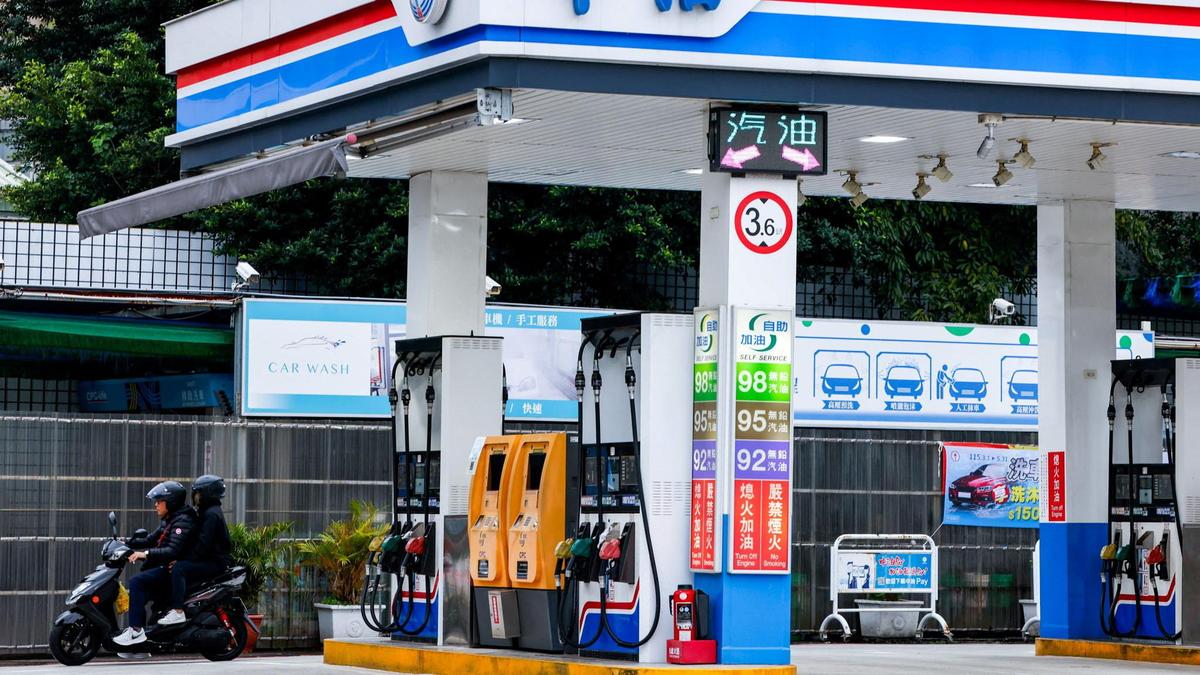
China’s spokesperson, Chen Binhua, framed the proposal as a humanitarian gesture. He claimed that under "peaceful reunification," Taiwan would have access to China’s massive power grid and "stable, reliable" energy. He even bragged about China’s record electricity consumption, suggesting that millions of Taiwanese households could kiss summer power rationing goodbye if they just flipped their political allegiance.
But look at the math. Taiwan imports nearly 98% of its energy. Being an island means you can’t just plug into a neighbor’s grid without also plugging into their political agenda. If Taipei accepted this "connectivity," they wouldn’t just be getting electricity; they’d be giving Beijing a literal "off" switch for the entire island’s economy. To read more about the background of this, The Guardian provides an in-depth summary.
Why the Iran Crisis Didn’t Break Taipei
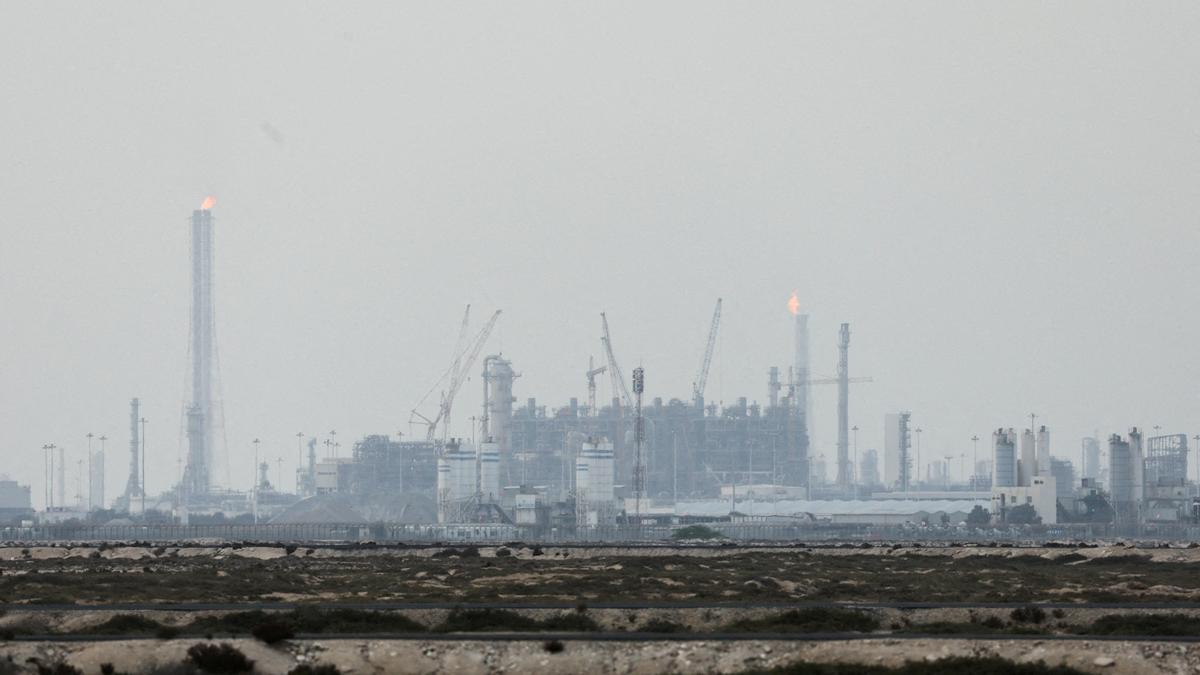
The timing of this offer isn't an accident. Since the U.S.-Israeli strikes on Iran began on February 28, 2026, the Strait of Hormuz has become a graveyard for predictable shipping. Qatar, which provides about 30% of Taiwan's LNG, has seen production and exports hammered by drone attacks and blockades.
You’d think Taiwan would be panicking. They aren’t.
President Lai Ching-te was quick to point out that the island’s "diversified and multi-source" strategy is actually working. While the West Asian war has sent Brent crude north of $116 per barrel and spiked European gas prices by 30%, Taiwan has been quiet about its specific reserves for a reason: it doesn’t want to show its hand.
- U.S. Gas to the Rescue: Starting in June 2026, a massive surge of American LNG is scheduled to hit Taiwanese ports.
- Strategic Reserves: Current estimates suggest Taiwan has about 11 to 14 days of LNG on hand, which sounds low until you realize they’ve already secured alternative shipments from Australia and the U.S. to bridge the gap.
- The Nuclear Pivot: In a surprising move, the Ministry of Economic Affairs is already reviewing plans to restart the Kuosheng and Maanshan nuclear plants.
China’s Own Energy Glass House
There’s a massive irony in China offering "stability" right now. Just last week, Beijing banned fuel exports until the end of March to prevent its own domestic shortages. China is the world’s largest oil importer, and they’re feeling the squeeze from the Iran conflict just as much as anyone else.
If China can’t even guarantee its own export market stays open, how can they promise to keep the lights on in Taipei?
This is less about energy and more about "cognitive warfare." By suggesting that Taiwan’s government is "indifferent" to its citizens' welfare, Beijing is trying to stir up domestic unrest. They even claimed their consulate in Istanbul had to "rescue" 93 Taiwanese citizens stranded by the war—a claim Taipei dismissed as a propaganda stunt.
The Reality of Taiwan’s 2026 Energy Mix
Let’s be real: Taiwan’s energy transition isn’t perfect. They’re going to miss their 20% renewable target this year. Solar projects have been slowed down by tighter environmental rules, and offshore wind is still scaling up.
However, being "behind schedule" on green energy is a far cry from being "desperate enough to surrender."
Taiwan’s current strategy is a messy, pragmatic "all-of-the-above" approach:
- Rooftop Solar: A new mandate for all new buildings starts August 1, 2026.
- LNG Storage: They’re aggressively converting caverns to hold gas, aiming for a 600-day reserve eventually.
- Nuclear Re-assessment: The "safety first" restart of older reactors shows they’re willing to abandon previous taboos to maintain independence.
Stop Looking at Energy as Just a Commodity
For Taiwan, a kilowatt-hour isn't just about keeping the AC running in Taipei; it’s a unit of sovereignty. Accepting China’s energy offer would be like a sheep asking a wolf to manage the fence.
If you're watching this space, don't expect a sudden shift in policy. Taipei knows that as long as they can keep the tankers coming from San Francisco and Perth, they don't need to listen to Beijing's "reunification" sales pitch. The war in West Asia is a stress test, sure, but it's one that Taiwan was already studying for.
If you're an investor or a policy watcher, keep your eyes on the Taipower status reports due later this month. Those will tell you more about Taiwan's true level of desperation—or lack thereof—than any speech from Beijing. Check the specific progress on the Maanshan Nuclear Power Plant restart; if that moves forward quickly, it’s a clear sign Taiwan is doubling down on domestic resilience over Chinese "generosity."