The Low Hum of Uncertainty
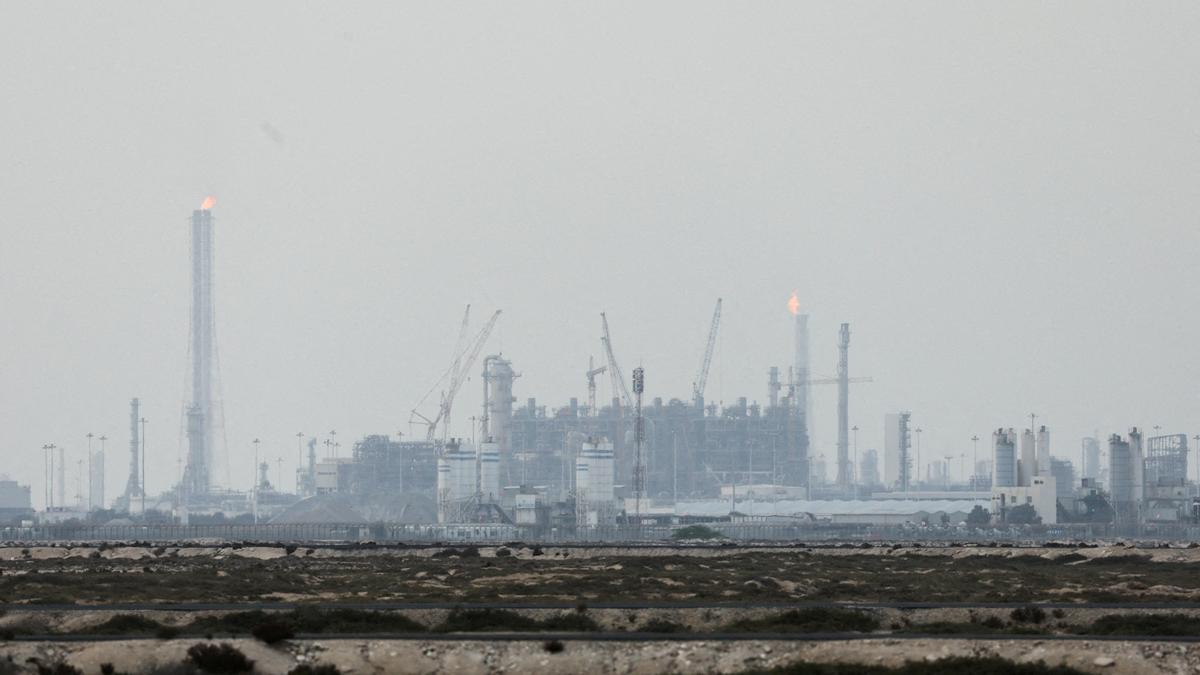
The sky over the Persian Gulf does not turn black; it turns a bruised, hazy purple, thick with the scent of salt and the distant, metallic tang of industrial ambition. For decades, this patch of water has been the world’s central nervous system. When it pulses, the globe feels the beat. When it bleeds, the world goes cold.
A technician named Elias—a man who exists in the thousands across the coastal refineries of the Emirates and Saudi Arabia—stands on a gantry three hundred feet above the surf. He isn't looking at the stars. He is looking at the horizon toward Iran, watching for a flicker that shouldn't be there. He knows that a few hundred miles away, the South Pars gas field is smoldering. He knows that when Israel’s precision strikes dismantled the infrastructure of Iran’s energy heart, they didn't just break pipes. They broke a delicate, unspoken stalemate.
Elias checks a pressure gauge. It’s steady. For now. But the air feels different. It feels like the moment before a desert thunderstorm, where the static makes your hair stand up and the camels go silent. The headlines call this an "escalation." Elias calls it the end of his sleep.
The Calculus of Revenge
Geopolitics is often discussed in air-conditioned rooms with maps and laser pointers, but its reality is written in thermal signatures and transit logs. When Iranian gas fields were hit, the math in Tehran changed instantly. If they cannot export the breath of their economy, they will ensure no one else breathes easily either.
This isn't a conventional war of soldiers and trenches. It is a war of valves, switches, and shadows.
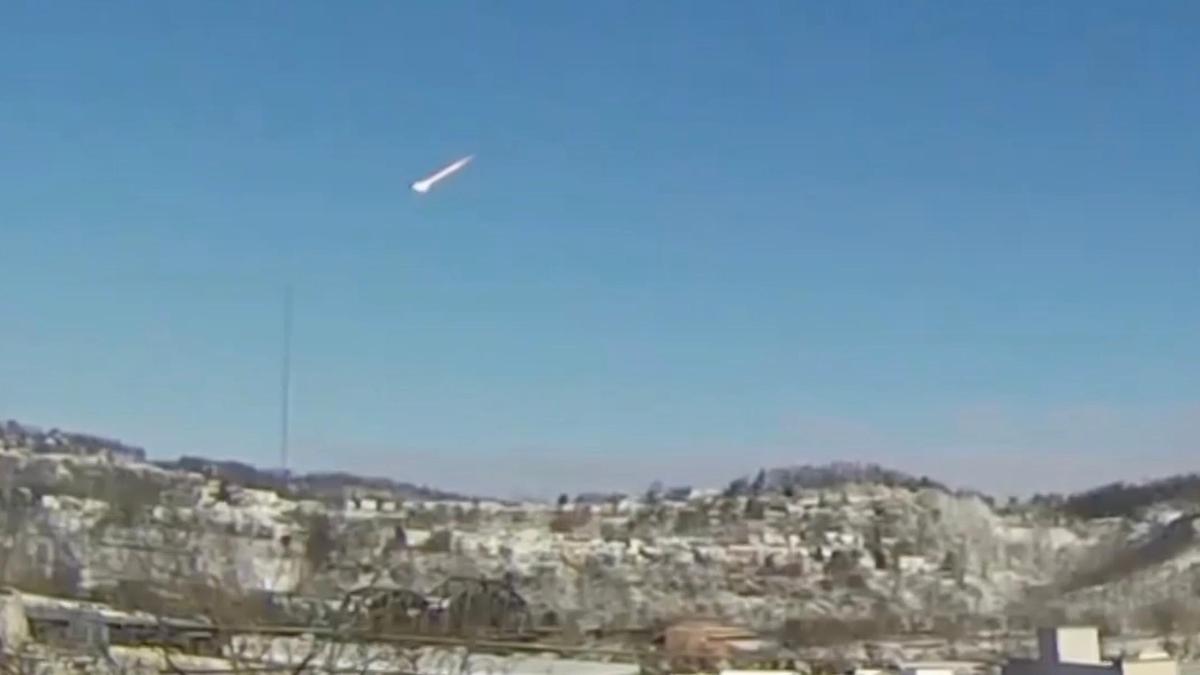
In the days following the strikes on Iranian soil, the retaliation wasn't a single, massive explosion. It was a series of jagged, aggressive stabs at the world’s energy jugular. Swarms of low-cost drones—machines that cost less than a mid-sized sedan—began appearing on radar screens near the Eastern Province of Saudi Arabia and the offshore rigs of the UAE.
These aren't just weapons; they are messages. They say: If we burn, you simmer.
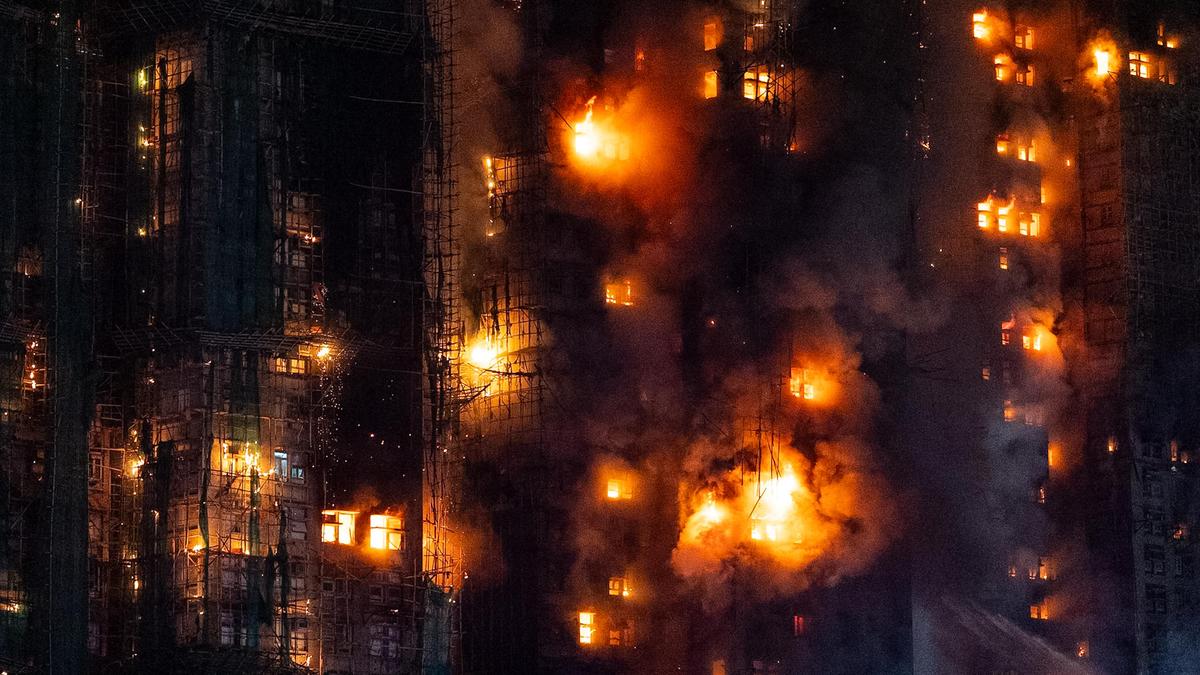
The technical reality is staggering. Modern energy facilities are miracles of engineering, but they are also incredibly fragile. A single drone, carrying a modest payload of high explosives, doesn't need to level a building. It only needs to hit a cooling unit, a pressurized valve, or a digital control hub.
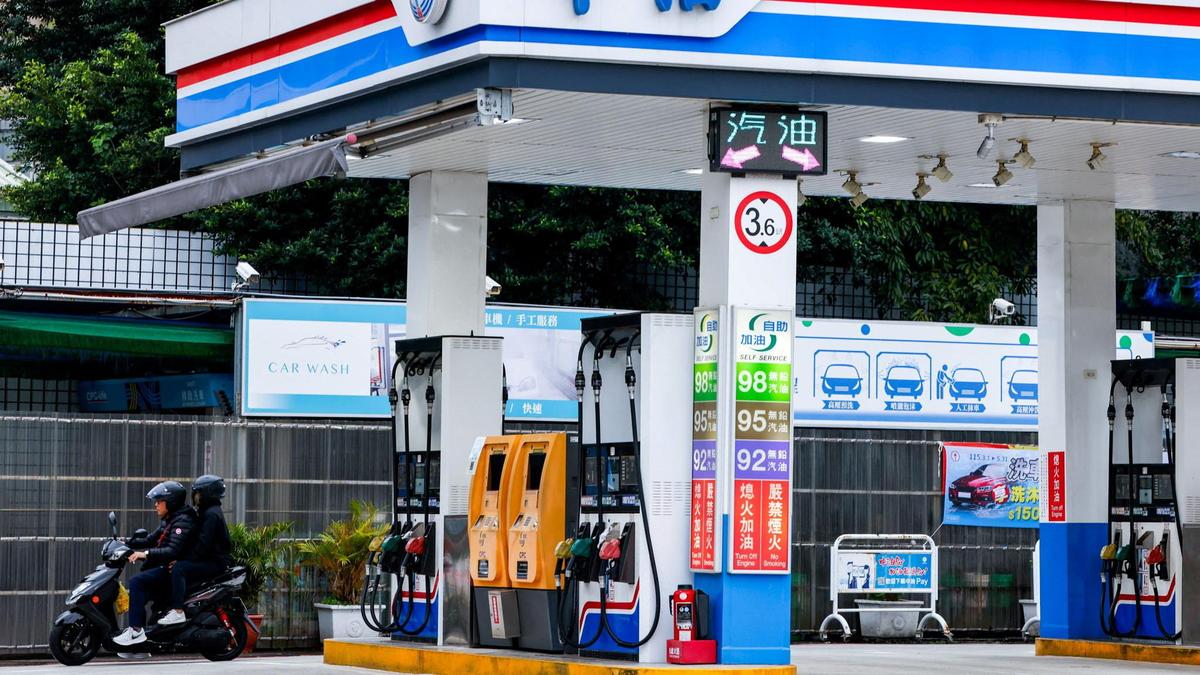
Consider the ripple effect. A strike on a secondary processing plant in the Gulf doesn't just stop the flow of oil for a day. It sends a shockwave through the insurance markets in London. It forces tankers to reroute around the Cape of Good Hope, adding weeks to voyages and millions to the cost of fuel. It makes a mother in a suburb of Ohio wonder why her heating bill just jumped $40 in a single week.
The Digital Ghost in the Machine
While the drones provide the visual spectacle of fire and smoke, a far more insidious attack is happening beneath the surface of the internet. This is where the narrative moves from the physical to the invisible.
Iranian cyber units, long considered some of the most patient and persistent in the world, have intensified their "probing" of SCADA systems—the supervisory control and data acquisition networks that run the world’s refineries.
Imagine a ghost sitting at the controls of a massive refinery. The ghost doesn't want to blow things up today. It wants to learn how the safety overrides work. It wants to know exactly how much pressure a pipe can take before it bursts. It wants to stay hidden until the perfect moment.
The employees at these facilities are now living in a state of permanent hyper-vigilance. Every flickering monitor, every delayed command, every "glitch" in the system is no longer treated as a technical error. It is treated as a potential breach. The mental toll of this constant "almost-war" is exhausting. It erodes the soul of a workforce. You cannot fight a ghost with a rifle.
The High Cost of a Cold Radiator
We often talk about "energy independence" as if it’s a destination we’ve already reached. The reality is that we are all tied to the same tether.
When Tehran intensifies its attacks on Gulf facilities, it is betting on the impatience of the West. They know that the global economy is a house of cards built on the assumption of cheap, subsidized transit. If the Strait of Hormuz becomes a "no-go" zone, the price of Brent Crude doesn't just rise; it teleports.
We saw a version of this in 2019 with the Abqaiq–Khurais attack, which temporarily knocked out 5% of global oil production. That was a warning shot. What we are seeing now is a sustained campaign of attrition.
The strategy is simple: make the cost of supporting Israel’s actions too high for the rest of the world to bear. It is a siege, not of a city, but of a supply chain.
The Human Shadow
Back on the gantry, Elias watches a patrol boat cut through the dark water. He thinks about his family in Kerala, whom he sends money to every month. He thinks about the sheer absurdity that his life, and the lives of his coworkers, are now the bargaining chips in a game played by men in distant capitals who will never smell the sulfur of a hit.
There is a specific kind of silence that happens after a drone is intercepted by a Patriot missile battery. It’s a loud, ringing silence. It’s the sound of a billion dollars of hardware clashing in the sky to protect a commodity that we take for granted every time we flip a light switch.
The invisible stakes aren't just about money. They are about the stability of the modern world. If the Gulf’s energy infrastructure is compromised, we aren't just looking at higher gas prices. We are looking at a breakdown of the social contract. Food becomes more expensive because tractors need fuel and trucks need diesel. Medicines become harder to manufacture. The "tapestry"—if I were allowed to use that word, which I’m not—of our daily lives begins to unspool at the edges.
The Fragile Blue Line
The Gulf states find themselves in an impossible position. They are the prize, the target, and the bystander all at once. They have spent trillions of dollars modernizing their economies, building gleaming cities out of the sand, and positioning themselves as the crossroads of the future.
Now, they are watching that future be threatened by a localized conflict that has gone viral.
The sophistication of the Iranian response is what troubles the analysts most. This isn't the work of a cornered animal lashing out blindly. It is a calibrated, surgical application of pressure. They hit a facility, wait for the reaction, and then hit another. They are testing the limits of the world’s resolve.
How much can the global economy take before it snaps?
How many tankers can be harassed before the shipping lanes are declared "uninsurable"?
These aren't academic questions. They are being answered in real-time by the smoke rising from the horizon. We are witnessing the birth of a new kind of warfare, where the front line is a pipeline and the soldiers are technicians trying to keep the lights on.
The sun begins to rise over the Gulf, a pale, sickly yellow through the haze. Elias finishes his shift. His hands are stained with grease, and his eyes are bloodshot from watching the dark. He descends the ladder, feeling the vibration of the massive turbines beneath his feet. It’s a steady hum, a reassuring sound that says the world is still turning.
But as he reaches the ground, he glances at his phone. Another notification. Another "incident" sixty miles to the north.
The hum continues, but the vibration feels different now. It feels like a tremor. It feels like a long, slow breath being held, waiting for the spark that finally refuses to be extinguished.
Down in the dark, the valves are turning. The shadows are moving. And the world is one unlucky spark away from a darkness that no generator can fix.