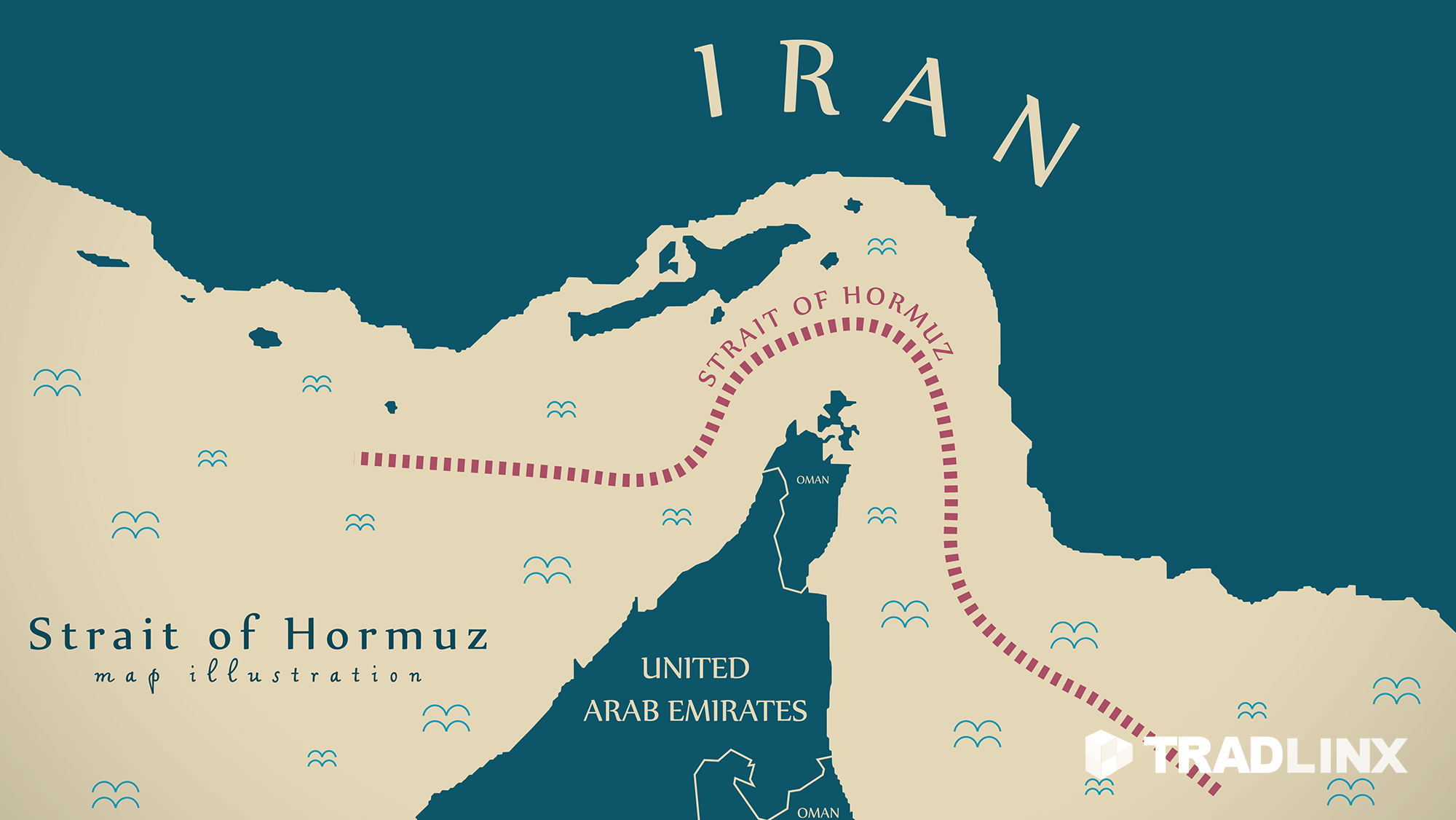
Don't let the dry diplomatic cables fool you. When seven major nations—including the UK, Canada, France, and Japan—get together to "condemn" something in the strongest terms, it isn't just a polite disagreement. It's a fire alarm. The "de facto" closure of the Strait of Hormuz by Iranian forces isn't a regional spat. It's a chokehold on the world's jugular.
If you're wondering why your energy bills are twitching or why certain goods are suddenly "out of stock," this is it. On March 19, 2026, a coalition of powers officially called out Iran for drone strikes, missile attacks, and the literal mining of the world's most critical maritime artery. They aren't just worried about ships; they're worried about a systemic collapse of the global supply chain.
The Chokepoint that Holds Your Wallet Hostage
The Strait of Hormuz is barely 21 miles wide at its narrowest point. Yet, roughly 20% of the world’s oil and 25% of its liquefied natural gas (LNG) pass through this tiny gap. When Iran effectively shuts it down, the math gets ugly fast.
We aren't talking about a theoretical threat anymore. Iranian forces have transitioned from "shadow war" tactics to overt aggression. Over 20 commercial vessels have been hit since this flare-up began in late February. Right now, there are roughly 3,200 vessels and 20,000 seafarers stranded west of the strait, waiting for a green light that isn't coming.
The joint statement from the UK, France, Germany, Italy, the Netherlands, Canada, and Japan didn't mince words. They labeled the situation a "threat to international peace and security." But for you, it’s a threat to the price of everything.
Why this time is different
In past decades, "closing the Strait" was a bluff Tehran used to get leverage at the negotiating table. This time, they’ve actually done it.
- The Mining Factor: Reports from US military intelligence suggest Iran has begun planting naval mines. This makes it impossible for insurance companies to cover any ship entering the area. Without insurance, the ships don't move. Period.
- Infrastructure Attacks: It isn't just about the water. Iran has pivoted to hitting land-based energy sites, including Qatar's massive LNG hubs. One strike alone reportedly knocked out 17% of Qatar’s export capacity.
- Drone Swarms: Asymmetric warfare means Iran doesn't need a massive navy to cause chaos. Cheap, explosive-laden drones are doing the work that once required a fleet of destroyers.
The Seven Nation Response is More Than Just Paper
You might think a "joint statement" is a weak response to missiles and mines. Look closer. The signatory list is a who’s who of the world’s biggest energy importers. Japan and Italy, in particular, are physically exposed. They don't have the domestic production to ride this out.
By signing this, these nations are signaling a shift toward collective military action. While they haven't sent a full armada into the strait yet, the UK has already deployed military planners to US Central Command (CENTCOM). They’re building a "viable collective plan" to reopen the waterway by force if necessary.
The IEA Intervention
The group also backed the International Energy Agency’s (IEA) decision to authorize a coordinated release of strategic petroleum reserves. This is the "break glass in case of emergency" button for the global economy. It buys time, but it doesn't solve the problem. You can't run a world on reserves forever while the main tap is shut.
The Massive Misconception About Energy Security
Most people think this is just an "oil problem." It’s actually a food and tech problem.
The Gulf isn't just for oil; it’s a massive exporter of urea, the primary ingredient in global fertilizers. Since the blockade started, urea prices have jumped nearly 40%. From Brazil to India, farmers are staring at a massive shortage. If they can’t fertilize their crops this season, we aren’t just looking at expensive gas—we’re looking at a global food crisis by the end of 2026.
Then there’s the tech angle. Energy-intensive industries in Europe and Asia are already cutting shifts. When electricity prices spike because LNG ships from Qatar are blocked, the cost of manufacturing everything from semiconductors to car parts goes through the roof.
What Happens Next
Tehran’s Foreign Minister, Abbas Araghchi, has been clear on social media: "Zero restraint if our infrastructures are struck again." This is a high-stakes game of chicken between Iran and the US-Israeli coalition.
The seven nations are currently stuck between a rock and a hard place. They want the strait open, but a full-scale naval entry could spark a regional war that makes the current price spikes look like a discount.
Expect to see these three things in the coming weeks:
- Escalated Escorts: A "coalition of the willing" will likely start shadowing tankers with warships, daring Iran to take a shot.
- Increased Pressure on Producers: The seven nations are already leaning on other oil producers to crank up output to offset the 15 million barrels per day currently stuck behind the Iranian blockade.
- Targeted Strikes: If the mines aren't cleared, the US and its allies will likely move from "condemning" to physically degrading Iran’s ability to launch drones and lay mines along the coastline.
The "de facto" closure of the Strait of Hormuz is a test of the international order. If Iran can hold 20% of the world's energy hostage indefinitely, the very idea of "freedom of navigation" is dead. You should prepare for continued volatility. This isn't a news cycle that’s going to blow over by next week. It’s a fundamental shift in the global risk map. Keep an eye on the IEA's weekly reserve reports and the movement of carrier strike groups toward the Gulf; that’s where the real story is written.


