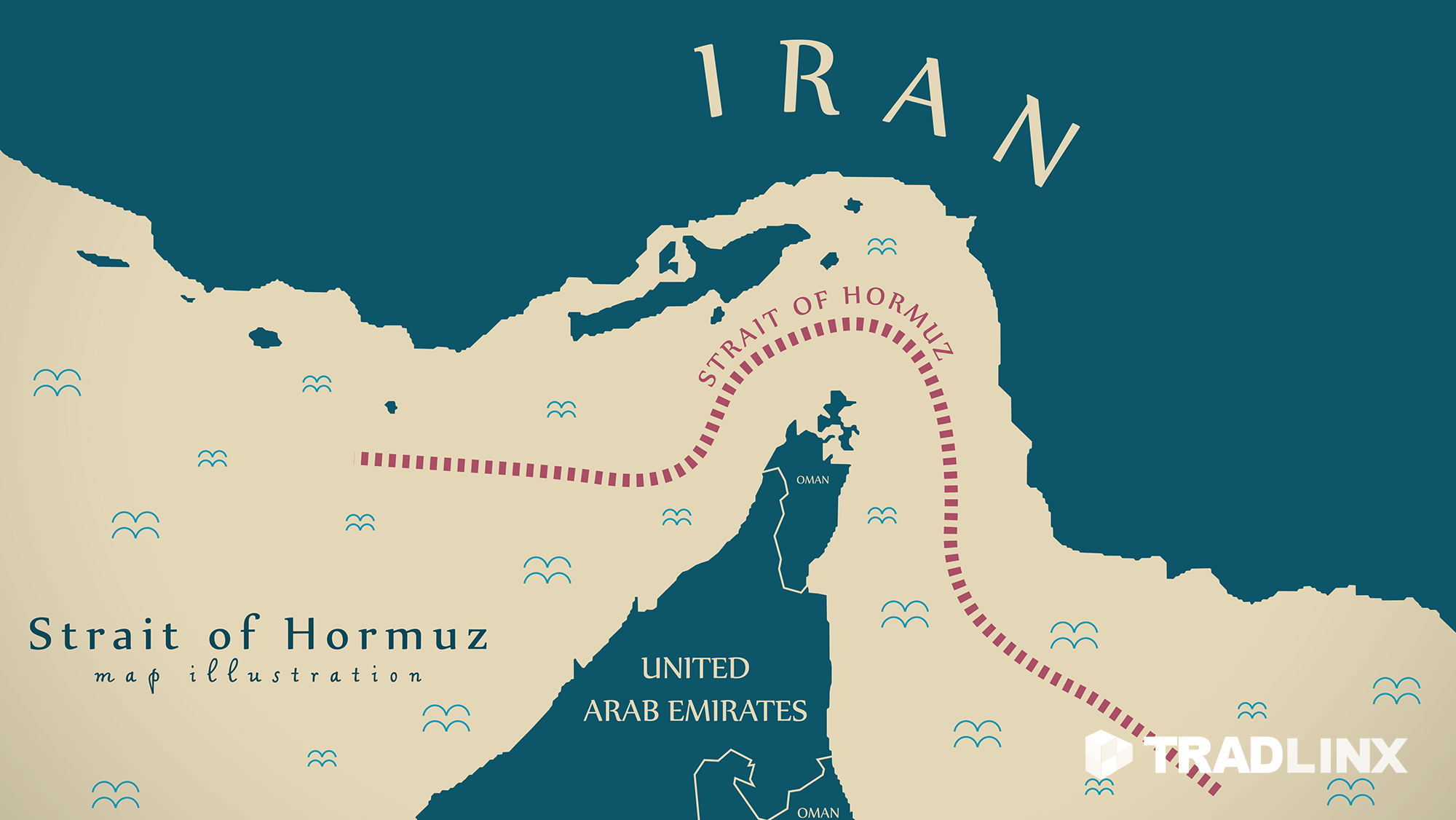
The recent Iranian kinetic strikes against Qatari infrastructure represent more than a localized military event; they signal the total disintegration of the quiet diplomacy that has kept the Persian Gulf stable for a decade. While Prime Minister Mohammed bin Abdulrahman Al-Thani has publicly branded the incident a "dangerous escalation," the reality is far grimmer. This was a targeted dismantling of the assumption that Qatar’s unique role as a regional mediator provided it with a "neutrality shield." Tehran has effectively communicated that in the current geopolitical climate, there are no bystanders, only assets or targets.
For years, Doha operated as the Swiss bank of regional diplomacy. It hosted the Taliban, communicated with Hamas, and maintained a functional, if frosty, working relationship with Iran while simultaneously housing the largest U.S. military base in the Middle East. That balancing act has failed. The strikes prove that the Al-Udeid Air Base is no longer a deterrent, but a magnet for aggression. This shift forces a hard re-evaluation of security across the Gulf Cooperation Council (GCC), as the old rules of engagement have been shredded by a Tehran willing to risk direct confrontation with a neighbor it once called a partner.
The Failure of the Neutrality Shield
Doha's entire foreign policy was built on the idea of being "too useful to hit." By positioning itself as the indispensable middleman, Qatar believed it could bypass the traditional sectarian and political animosities of the region. This strategy worked through the blockade years and the various rounds of nuclear negotiations. However, the strategic calculus changed when the utility of mediation was outweighed by the tactical necessity of projecting power.
Iran’s decision to strike Qatar directly suggests a breakdown in the back-channel communications that usually prevent such flare-ups. Sources within the region indicate that the strike targeted energy-related logistics points, a clear shot across the bow of Qatar’s economic engine. By hitting the North Field’s peripheral infrastructure, Iran isn't just threatening a sovereign state; it is threatening the global LNG supply. This is a crude but effective way to force the international community to the table on Iranian terms.
The "dangerous escalation" Al-Thani speaks of isn't just about the missiles. It’s about the fact that the telephone lines have gone dead. When the mediator becomes the victim, there is no one left to answer the call.
Why the U.S. Umbrella is Leaking
The presence of 10,000 American troops at Al-Udeid was supposed to make an Iranian attack unthinkable. That it happened anyway exposes a massive gap in the American security guarantee. For decades, the U.S. has operated on a policy of "integrated deterrence," a term that essentially means trying to do more with less by linking various regional allies together. The Iranian strikes show that this integration is mostly theoretical.
Washington’s response has been characterized by the same hesitancy that has defined its Middle East policy for the last five years. There is a palpable fear of being dragged into another "forever war," and Tehran is exploiting that reluctance. If a direct strike on a major U.S. partner doesn't trigger a devastating counter-move, then the deterrent value of the U.S. military presence drops to near zero.
The Missile Math
The technical execution of the attack provides a sobering look at Iranian capabilities. We aren't looking at the "garage-built" drones of the past. These were precision-guided systems that navigated sophisticated air defense grids.
- Precision and Accuracy: The strikes hit specific maintenance sheds and terminal hubs, avoiding large-scale civilian casualties that would have forced a mandatory international military response.
- Saturation Tactics: By using a mix of low-slow drones and high-speed ballistic missiles, the attackers overwhelmed local Point Defense systems.
- Electronic Warfare: Reports suggest significant GPS jamming preceded the kinetic impact, a hallmark of a sophisticated state-actor operation.
This wasn't a blind outburst of rage. It was a calibrated demonstration of technical mastery. It told the GCC that their multi-billion dollar American and European defense systems have blind spots large enough to fly a cruise missile through.
The Gas Factor and Global Leverage
Qatar is not just a country; it is a global energy utility. As one of the world's largest exporters of Liquefied Natural Gas (LNG), any instability within its borders vibrates through the boardrooms of Europe and Asia. Iran knows this. By selecting targets near the North Field, Tehran is holding the world’s heating and electricity supply hostage.
The timing is surgical. With global energy markets already stretched thin by ongoing conflicts elsewhere, even a 5% disruption in Qatari output could send prices into a vertical spike. Iran is leveraging the "energy anxiety" of the West to create a buffer for its own domestic and regional interests. It is a form of economic warfare played out with explosives.
This creates a paradox for Doha. If they lean too hard into a military alliance with the West, they invite further strikes. If they try to appease Tehran, they alienate the very partners who buy their gas and provide their security. The middle ground has become a minefield.
Regional Realignment and the Death of the GCC Consensus
The silence from other Gulf capitals in the immediate aftermath of the strike was deafening. While formal statements of "solidarity" eventually trickled out, the underlying sentiment is one of "every man for himself." The GCC has long struggled with a unified defense posture, but this event may be the final nail in the coffin for the idea of a "Middle Eastern NATO."
Riyadh and Abu Dhabi are watching closely. They have spent the last few years trying to de-escalate with Iran through their own direct talks. Seeing Qatar—a state that actually had a decent relationship with Tehran—get hit, has sent a shockwave through the region. It suggests that no amount of diplomacy or rapprochement offers a permanent guarantee of safety.
The Proxy Problem
We must also consider the role of Iranian-backed groups in Iraq and Yemen. While the strikes originated from Iranian territory, the coordination with regional proxies allowed Tehran to maintain a shred of "plausible deniability" in the early hours of the crisis. This "gray zone" warfare is designed to paralyze decision-makers. By the time the source of the launch is confirmed, the political window for a counter-strike has often closed.
Qatar’s reliance on these same proxies for its mediation efforts has now backfired spectacularly. You cannot host the political wing of a movement while the military wing of its patron is aiming missiles at your ports.
The Intelligence Gap
How did this happen without warning? The failure of regional intelligence services to predict a direct state-on-state strike of this magnitude is a catastrophic breakdown. It suggests that Iranian operational security has improved significantly, or that the West's eyes and ears in the region are focused on the wrong signals.
For years, the focus has been on preventing "irregular" attacks—suicide bombings, small-scale sabotage, and cyber-attacks. The return to "state-on-state" kinetic warfare seems to have caught the analysts off guard. The shift from shadow wars to open fire marks a new, more volatile era where the traditional indicators of "imminent attack" may no longer apply.
Moving Beyond the "Escalation" Rhetoric
Calling this a "dangerous escalation" is an exercise in stating the obvious while ignoring the solution. The phrase has become a linguistic crutch for diplomats who don't have a plan. To actually address the crisis, the focus must shift from "de-escalation"—which Iran views as a sign of weakness—to "credible consequence."
If the international community continues to treat these strikes as isolated incidents rather than a systemic shift in Iranian foreign policy, they will continue to happen. The goal of the Iranian strategy is to normalize this level of violence until it becomes just another "cost of doing business" in the Gulf.
Immediate Structural Needs
The security architecture of the Gulf requires an immediate, radical overhaul that moves beyond buying more hardware.
- Autonomous Defense: Qatar and its neighbors must invest in automated, AI-driven interception layers that don't require a green light from a distant capital to activate.
- Hardened Infrastructure: The "glass city" model of Gulf development is a liability. Critical energy hubs need physical hardening and redundancy that can survive a direct hit.
- Direct Security Bilaterals: The reliance on "multilateral frameworks" has failed. Doha needs to establish clear, binary security triggers with its primary partners that aren't subject to the whims of a divided UN or a distracted Washington.
The era of the "neutral mediator" is over. In its place is a stark reality where geography is destiny and the only real currency is the ability to strike back. Qatar’s next move will determine if it remains a sovereign energy powerhouse or becomes a subservient satellite in a new regional order.
Audit your current regional security contracts and demand a "kinetic response" clause that defines exactly what happens the next time a drone crosses the maritime border.