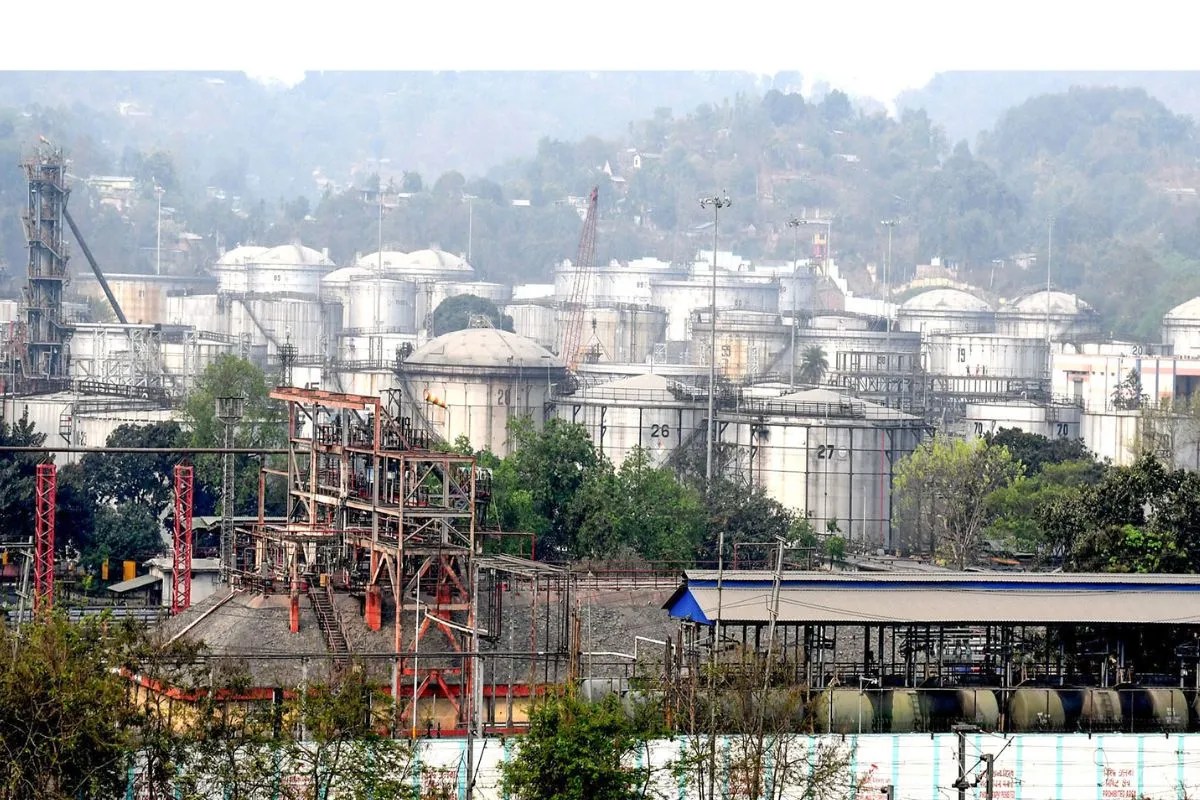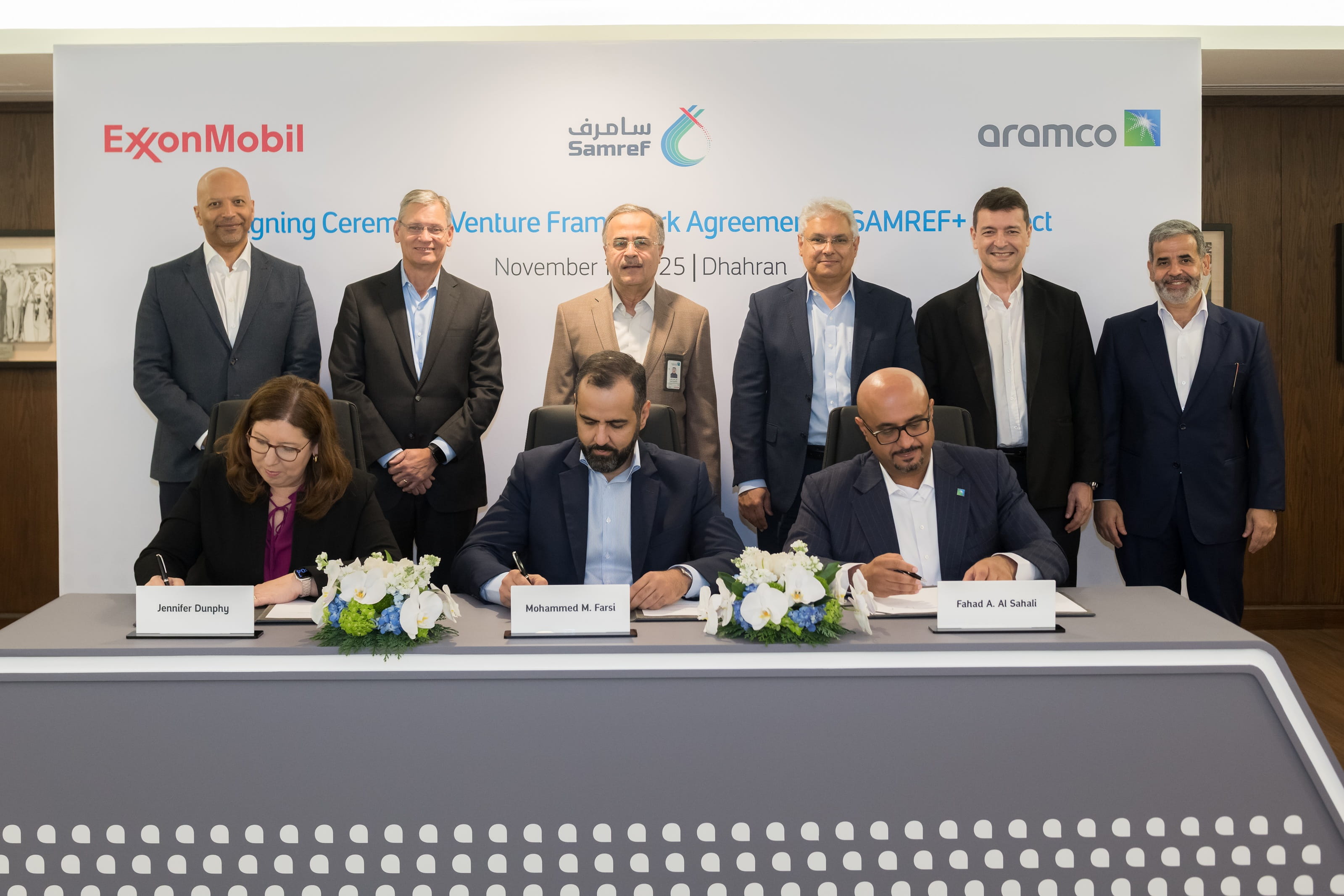
The safety net just snapped. For weeks, the energy market clung to a fragile hope that the Red Sea might stay "quiet enough" to act as a pressure valve while the Strait of Hormuz remained choked. That hope went up in smoke on Thursday morning. A drone strike on the SAMREF refinery in Yanbu—a massive joint venture between Saudi Aramco and ExxonMobil—didn't just hit a facility; it hit the last reliable exit for Gulf crude.
If you're looking at your gas receipt and wondering why the numbers look like a typo, this is why. We aren't just dealing with a "regional conflict" anymore. We're watching a systematic dismantling of the world's energy plumbing.
The Yanbu Strike and the End of the Red Sea Safety Valve
Yanbu was supposed to be the backup plan. With the Strait of Hormuz effectively a no-go zone due to Iranian threats and high-seas skirmishes, Saudi Arabia had been aggressively rerouting its exports westward. The logic was simple: get the oil to the Red Sea, bypass the Persian Gulf bottleneck, and keep the world moving.
The hit on SAMREF changes that calculus. While the Saudi Ministry of Defence claims the impact was "minimal" and damage assessment is ongoing, the psychological damage is total. You don't need to level a refinery to win this kind of war. You just need to prove that you can reach it. By landing a drone inside the perimeter of a high-tech facility co-managed by an American giant like Exxon, the attackers sent a clear message: there are no safe zones.
A Coordinated Blitz Across the Gulf
This wasn't an isolated incident. The SAMREF hit was the exclamation point on a terrifying 24-hour window of coordinated strikes.
- Kuwait under fire: Drones struck the Mina Al-Ahmadi and Mina Abdullah refineries. These aren't small operations. Mina Al-Ahmadi is a behemoth, capable of processing over 700,000 barrels a day.
- Qatar's LNG nightmare: Ras Laffan Industrial City, the crown jewel of global liquefied natural gas, saw major fires after ballistic missile impacts.
- UAE interceptions: Abu Dhabi and Dubai are currently operating under a high-alert "early warning" system. UAE air defenses reportedly knocked down seven ballistic missiles and 15 drones on Thursday alone.
The sheer scale of the offensive suggests a level of planning that goes beyond "retaliation." It's a full-court press designed to paralyze every major energy producer in the neighborhood simultaneously.
Why Oil Prices are Screaming Toward 120 Dollars
The market hates uncertainty, but it absolutely loathes a supply vacuum. Brent crude is already flirting with $112 a barrel, and some analysts are quietly prepping for $120 by the weekend. This isn't just speculation. It's math.
When you take the Strait of Hormuz out of the equation—which handles about 20% of global oil—the world relies on spare capacity and alternative routes. Yanbu was the primary alternative. If tankers stop docking at Yanbu because of the "hostile aerial threat" warnings issued to residents' phones this morning, there is no Plan C.
I’ve talked to logistics experts who say the insurance premiums for hulls in these waters are becoming "unquotable." Basically, even if a refinery is still standing, it doesn't matter if no ship is willing to pull up to the dock.
The Political Fallout and the Trump Warning
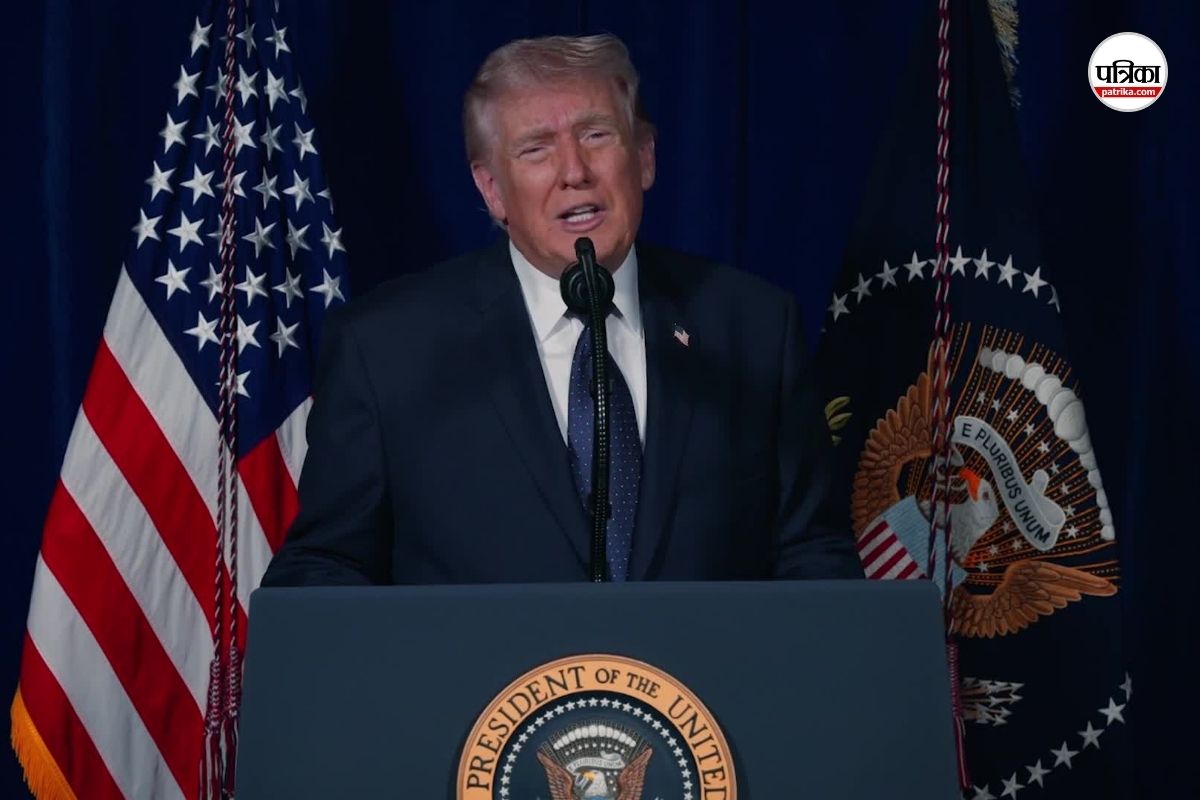
The geopolitical stage is getting messy. U.S. President Donald Trump has already taken to Truth Social to distance the U.S. from the initial Israeli strike on Iran's South Pars gas field—the event that seemingly triggered this wave of "tit-for-tat" hits. But he didn't stop there. He issued a blunt ultimatum: if Qatar is hit again, the U.S. will "massively blow up" the entirety of the South Pars field.
That’s a terrifying escalatory ladder. On one side, you have Iran and its proxies proving they can touch any refinery from the Red Sea to the Persian Gulf. On the other, you have a U.S. administration threatening to erase the region's largest gas reservoir. It’s a game of chicken where the "chicken" is the global economy.
What This Means for Your Daily Life
It's easy to dismiss this as "Middle East tension," but the ripple effects are coming for your wallet.
- Gasoline Spikes: Expect immediate jumps at the pump. We’re already seeing petrol prices in major hubs like Mumbai and London react to the supply crunch.
- Aviation Chaos: Airports in Riyadh and Dubai are still operating, but with "intermittent restrictions." If you're flying through the region, expect delays or sudden cancellations as airspace is cleared for air defense activity.
- Inflation Re-ignition: Just as central banks were hoping to cool down interest rates, this energy shock is throwing a bucket of kerosene on the fire.
The SAMREF attack proves that "strategic depth" is a myth in the age of long-range drone warfare. If you’re a business owner or an investor, the smart move right now is to hedge against prolonged energy volatility. This isn't a one-day story; it’s the beginning of a much harder chapter for global trade. Keep your eyes on the Yanbu export numbers—they are currently the only pulse that matters.