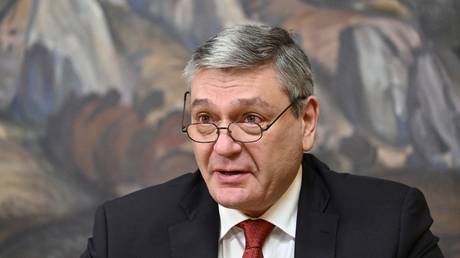
Moscow just doubled down on its favorite energy threat. Russian Deputy Foreign Minister Andrey Rudenko recently confirmed that Russia won’t sell a single drop of oil to any country that adheres to the Western-imposed price cap. If you’ve been following the headlines since late 2022, this sounds like a massive escalation that could send gas prices at your local pump into the stratosphere.
But it isn't. Not really.
The "price cap" is a mechanism where the G7, the EU, and Australia try to starve the Kremlin’s war chest by refusing to provide insurance or shipping services for Russian oil unless it's sold below a certain price. As of February 2026, that cap was tightened further to $44.10 per barrel for crude. Moscow’s response? A decree from Vladimir Putin that basically says, "If the contract mentions a price cap, the deal is off."
Here’s the reality: this isn't a new "oil war." It's a carefully choreographed dance where both sides are trying to save face while keeping the global economy from collapsing. If you're wondering why the world hasn't run out of fuel yet, it’s because the "ban" has more holes than a block of Swiss cheese.
The Gap Between Rhetoric and Revenue
Russia’s "unfriendly countries" list—which includes Japan, the EU, and the US—already stopped buying most Russian seaborne crude years ago. You can’t "ban" sales to someone who isn't buying your product in the first place. Japan remains a notable exception due to its reliance on the Sakhalin-2 project, but for the most part, the G7 is already off the Moscow payroll.
The real battle isn't over who Russia won't sell to. It's about how they're selling to everyone else.
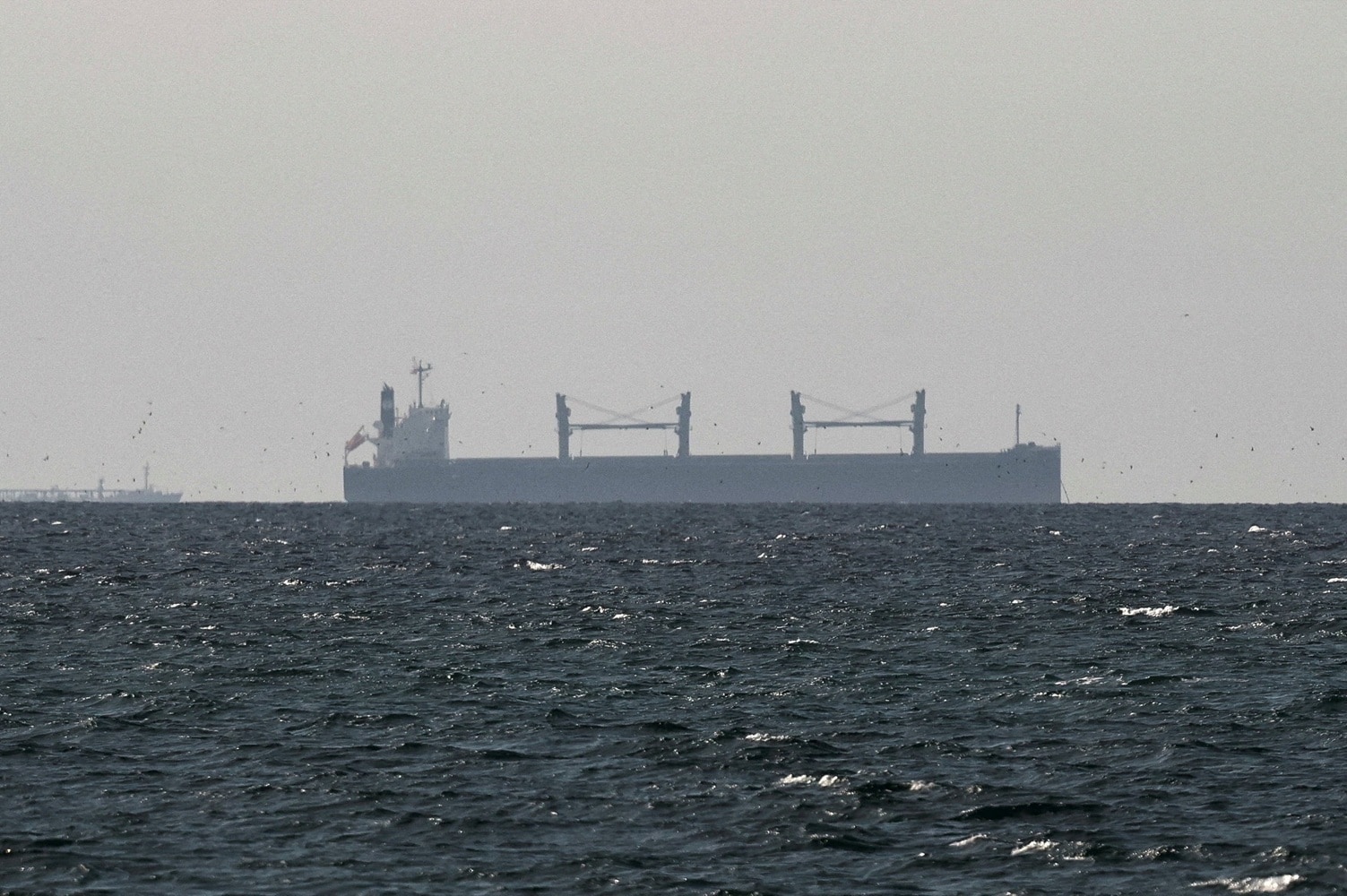
By early 2026, Russia managed to move about 66% of its seaborne oil through what’s known as the "shadow fleet." These are aging, often uncomfortably rusty tankers owned by shell companies in places like Dubai or Hong Kong. They don't use Western insurance. They don't care about G7 price caps. They just sail.
- The Shadow Fleet: Roughly 600+ ships that bypass Western financial systems entirely.
- The Refining Loophole: India and China buy Russian crude at a discount (often just above the cap), refine it into diesel or gasoline, and then sell it back to... you guessed it, the West.
- The Price Wedge: Even with the cap, Russia’s Urals crude often trades at a significant discount to Brent, but it’s still high enough to keep their economy afloat.
Why Japan is Caught in the Middle
Deputy Minister Rudenko specifically pointed a finger at Tokyo. Japan is in a tough spot. They're part of the G7, so they have to support the cap. But they’re also an island nation with zero natural resources. They've been granted exemptions in the past to ensure their lights stay on.
Moscow is using this lever to try and break G7 unity. By threatening to cut off "price cap backers," they're essentially telling Japan, "Choose between your alliance with Washington and your ability to heat your homes." So far, Japan hasn't budged, but the rhetoric is getting louder as the Middle East crisis makes global oil supplies even tighter.
The $44.10 Math Problem
The EU’s decision to drop the cap to $44.10 (a 15% discount off the average market price) is a gamble. The goal is to make Russian oil production barely profitable. If it costs Russia $30 to $40 to get a barrel out of the ground and to a port, a $44 cap leaves them with almost nothing for the state budget.
However, Moscow isn't playing by those rules. They've spent billions building a "parallel" shipping infrastructure. Honestly, it’s impressive and terrifying at the same time. They’ve successfully decoupled a huge chunk of their economy from the dollar-denominated world. When Rudenko says they won't sell to cap-backers, he's basically saying they've found enough customers in the "Global South" to ignore the West's price tag.
Is This the End of Global Energy Markets?
We’re moving toward a two-tier oil market.
- The Transparent Market: Western-aligned, regulated, and adhering to sanctions.
- The Gray Market: Opaque, involving STS (ship-to-ship) transfers in the middle of the ocean, and fueled by Russian, Iranian, and Venezuelan crude.
This isn't just about Ukraine anymore. It’s about the death of a unified global price for energy. When Russia refuses to sell to price cap backers, they're cementing this divide.
If you're an investor or just someone worried about inflation, the thing to watch isn't the Kremlin’s press releases. Watch the Suez Canal and the Strait of Hormuz. If the shadow fleet keeps growing and Russia keeps finding "back-door" ways to get its oil into European gas tanks via Indian refineries, the price cap will remain what it is today: a political tool that looks good on paper but struggles to change the math of the war.
Moscow's "ban" is a signal to its remaining allies that it won't be bullied. But as long as the world is thirsty for oil, that oil will find a way to flow—even if it has to change its name and its ship three times before it gets there.
If you want to track how this actually affects your wallet, stop looking at the "cap" and start looking at the Urals-Brent spread. As long as that gap stays narrow, Russia is winning the cat-and-mouse game.
Check your local energy reports for "refined product origins"—you might be surprised to find that the "Russian" oil Moscow refuses to sell you is already in your car.