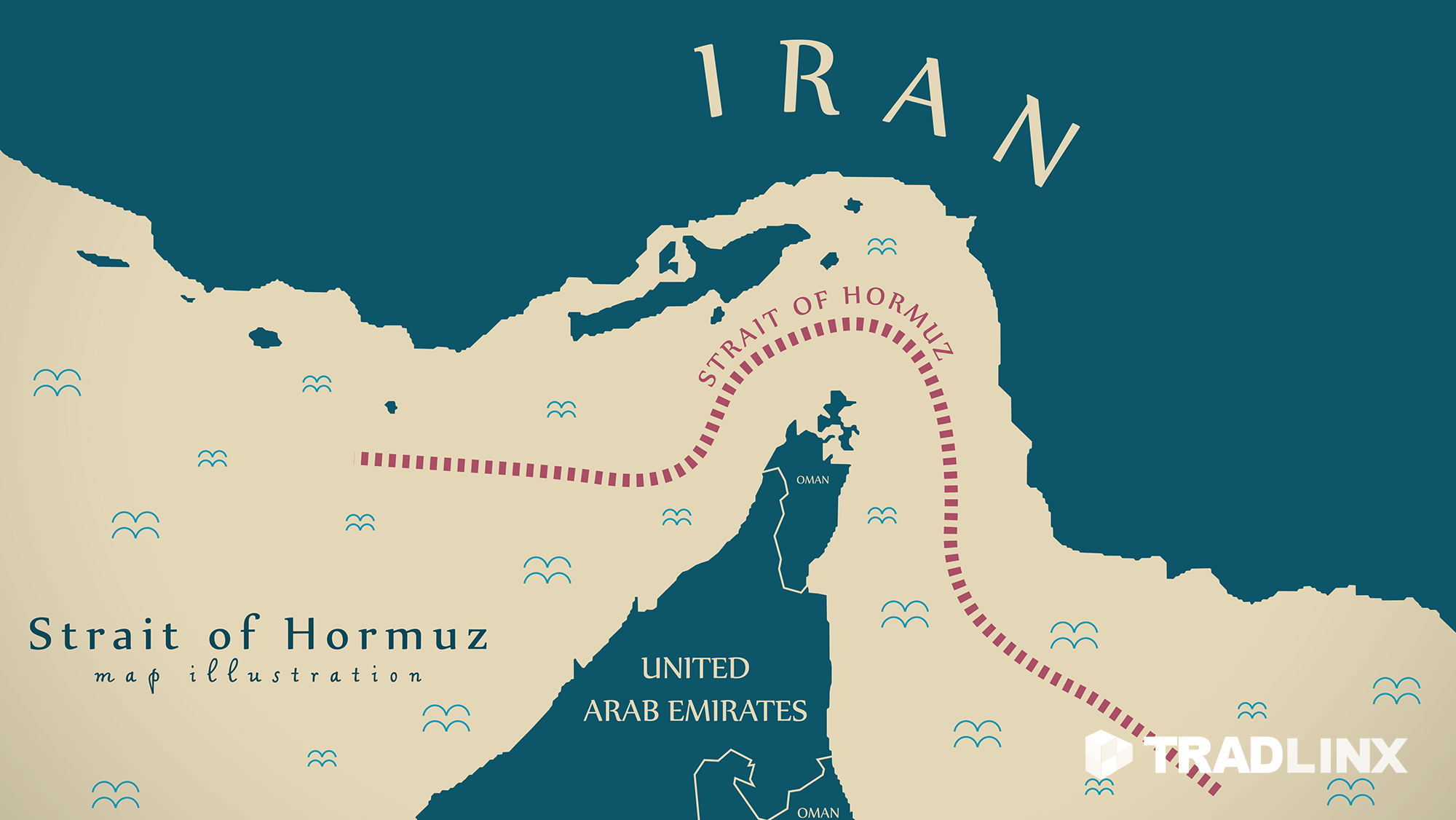
The arrival of a high-level U.S. envoy in Colombo is rarely just a courtesy call. When the agenda pairs bilateral ties with the volatile mechanics of the Middle East conflict, the subtext is clear. Washington is no longer asking for cooperation. It is measuring the cost of Sri Lanka’s neutrality.
President Anura Kumara Dissanayake inherited a nation performing a delicate high-wire act. On one side is the desperate need for Western capital and IMF-backed stability. On the other is a domestic political base that remains deeply skeptical of American interventionism, particularly as the humanitarian crisis in Gaza continues to alienate the Global South. The recent meeting between U.S. representatives and the Sri Lankan administration marks a significant shift in how the State Department intends to manage its interests in the Indian Ocean. It is a strategy that links regional maritime security directly to the alignment of South Asian states with Western objectives in the Levant.
The Maritime Security Quid Pro Quo
Sri Lanka sits on the world's most vital shipping lane. This is not a geopolitical cliché; it is a cold, hard economic reality. For the United States, ensuring that Colombo remains a "reliable partner" is less about shared values and more about the security of the Red Sea and the Gulf of Aden.
During the discussions, the U.S. delegation emphasized the necessity of a unified response to disruptions in global trade routes. The Red Sea crisis, driven by Houthi rebel attacks, has forced global shipping giants to reroute around the Cape of Good Hope, driving up insurance premiums and fuel costs. For an economy like Sri Lanka’s—which is currently gasping for air as it recovers from a total sovereign default—these rising costs are a direct threat to the debt restructuring process.
Washington’s "offer" is simple. If Sri Lanka provides more active support for maritime security initiatives, the U.S. will facilitate a smoother path through the bureaucratic thickets of international finance. It is a classic exercise in soft power with a razor-sharp edge. The U.S. is essentially suggesting that Sri Lanka cannot expect a "business as usual" relationship while remaining silent on the geopolitical disruptions affecting the very markets that Colombo depends on for its exports.
Navigating the Gaza Shadow
The Middle East conflict is the most dangerous variable in this diplomatic equation. For the Dissanayake government, which rose to power on a platform of sovereignty and social justice, appearing too cozy with a Washington that is actively arming the Israeli military is a political minefield.
The U.S. envoy’s push for a "constructive stance" on the conflict isn't just about rhetoric. It’s about votes at the United Nations and the suppression of local anti-Western sentiment. The American calculation is that if they can keep South Asian nations from forming a unified bloc against Western policy in the Middle East, they can maintain a fragmented, and therefore more manageable, international response.
President Dissanayake faces a brutal choice. If he aligns too closely with the U.S. position, he risks a massive backlash from the influential Muslim minority in Sri Lanka and the leftist factions of his own coalition. If he remains critical, he risks a cooling of relations with the nation's largest export market. The U.S. knows this. They are using the Middle East as a litmus test for the new administration’s "reliability."
The Economic Leverage of the IMF
We must look at the numbers to understand why Sri Lanka is even entertaining these pressures. The country is currently tied to an IMF Extended Fund Facility (EFF) worth approximately $2.9 billion. While the IMF is technically an independent body, the influence of the U.S. Treasury over its board is absolute.
- Debt Sustainability: Sri Lanka must prove it can manage its external debt to unlock future tranches of funding.
- Trade Access: The U.S. GSP (Generalized System of Preferences) program is a critical lifeline for Sri Lankan garments and rubber.
- Foreign Direct Investment: Western investors are waiting for a "green light" from Washington before committing to large-scale infrastructure projects in the Port of Colombo or the renewable energy sector.
The U.S. envoy didn't need to mention the IMF explicitly for the message to be received. The subtext of "bilateral ties" is almost always financial. When the U.S. talks about "strengthening democratic institutions," they are often talking about creating a predictable environment for American capital. In this context, Sri Lanka’s foreign policy is being treated as a commodity that can be traded for economic breathing room.
The China Factor in the Room
Every diplomatic meeting in Colombo is haunted by the ghost of Beijing. China remains Sri Lanka’s largest bilateral creditor and has invested billions in the controversial Port City and Hambantota projects. Washington’s sudden urgency to discuss the Middle East and maritime security is a calculated move to crowd out Chinese influence.
The U.S. is positioning itself as the "security partner of choice." By framing the Middle East conflict as a threat to global trade—something that China also relies on—the U.S. is attempting to force Sri Lanka into a corner. They want Colombo to admit that Western security umbrellas are more effective at protecting Sri Lankan interests than Chinese "debt-trap" infrastructure.
However, this is a dangerous game. China does not attach the same "values-based" strings to its support. Beijing doesn't care about Sri Lanka's stance on the Middle East as long as the interest on the loans is paid and the strategic assets remain accessible. By pushing too hard on the Middle East issue, the U.S. risks driving the Dissanayake administration back into the arms of a more transactional, and perhaps more forgiving, Chinese leadership.
The Reality of Sovereignty in a Bipolar World
Sri Lanka likes to call itself non-aligned. In the current era, non-alignment is a luxury the debt-ridden can no longer afford. The visit from the U.S. envoy has stripped away the veneer of equal partnership to reveal the raw power dynamics at play.
The administration in Colombo is being asked to pick a side in a conflict thousands of miles away to secure its own survival at home. This isn't diplomacy in the traditional sense; it is a high-stakes negotiation where the stakes are the very stability of the Sri Lankan state. The Dissanayake government’s ability to navigate this without alienating its people or its creditors will be the ultimate test of its political survival.
As the U.S. continues to link regional economic health to compliance with its broader geopolitical agenda, small nations like Sri Lanka find their policy options shrinking. The Middle East is no longer a distant concern for South Asia. It is a lever being used to pry open the strategic doors of the Indian Ocean.
The next time a U.S. envoy lands in Colombo, don't look at the handshakes. Look at the shipping rates in the Red Sea and the voting records in New York. That is where the real story is written.