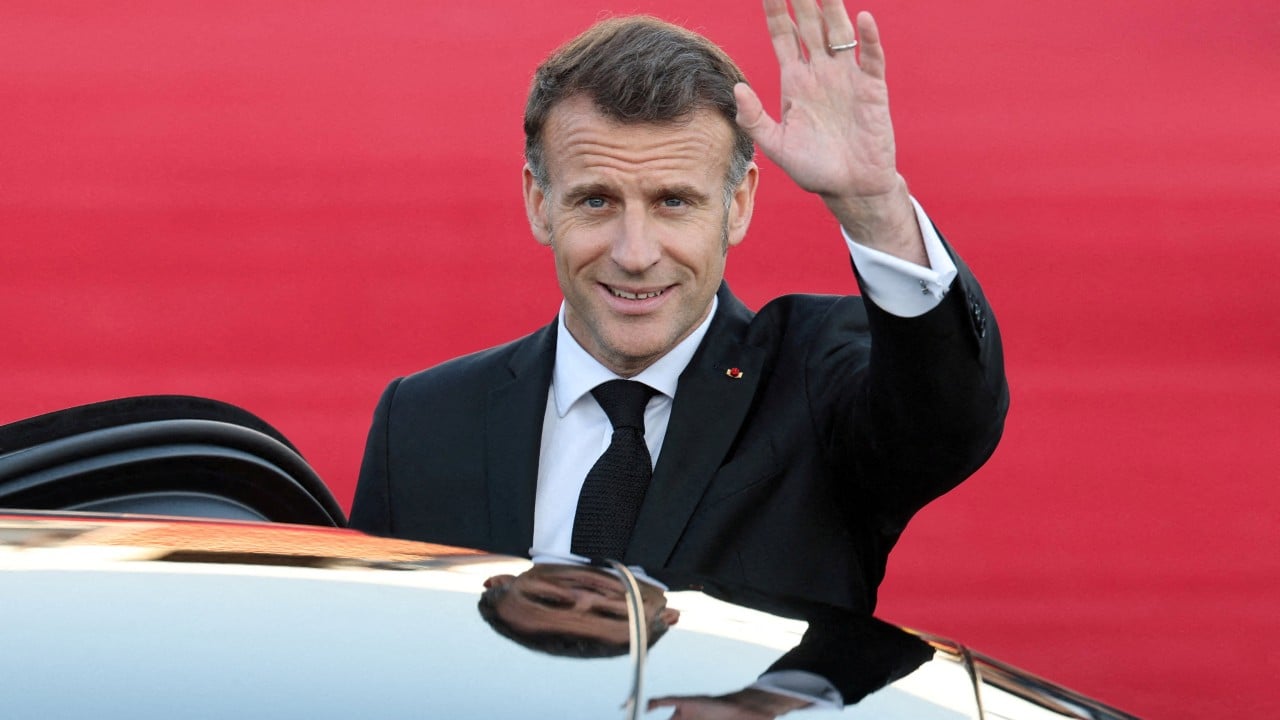
You can't just shoot your way through a global energy crisis. That's essentially what French President Emmanuel Macron told the world this week during his visit to South Korea. While some leaders in Washington and elsewhere have floated the idea of a massive military operation to "liberate" or "unblock" the Strait of Hormuz by force, Macron isn't buying it. He called the idea "unrealistic."
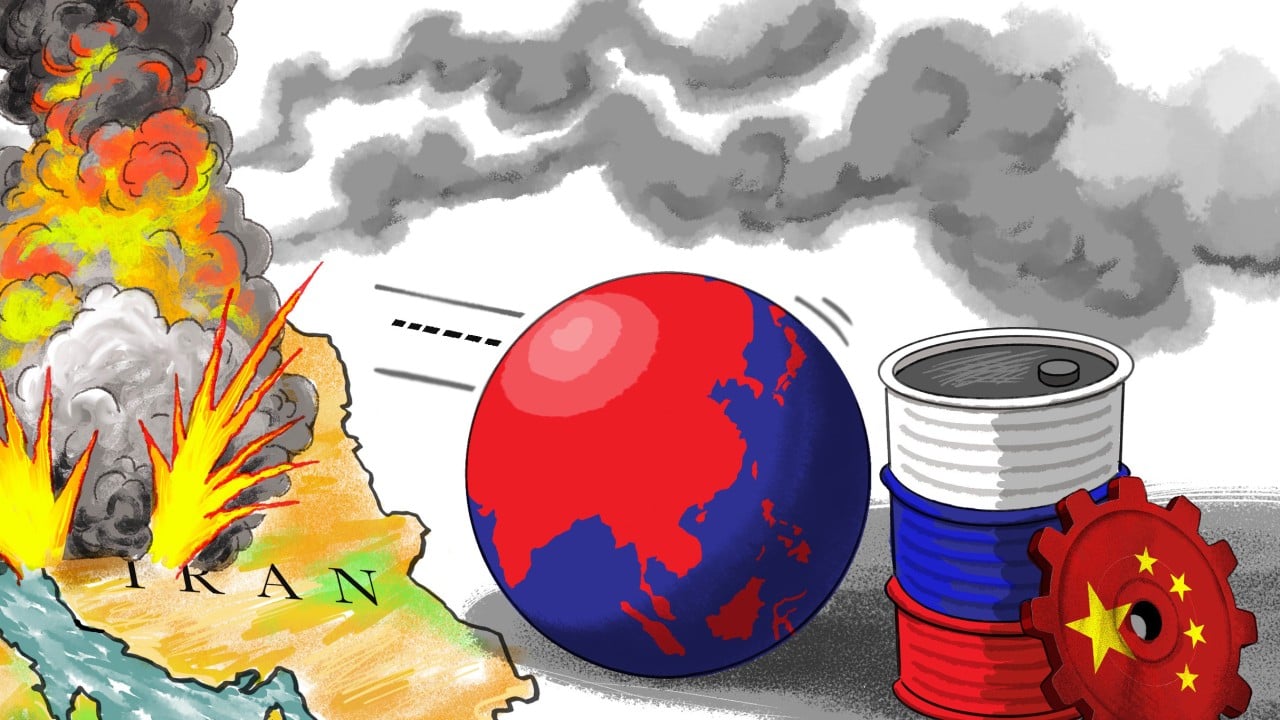
It's a blunt assessment that cuts through the bravado often seen in geopolitical standoffs. The Strait of Hormuz is a narrow, 21-mile-wide choke point. It's the jugular vein of the global economy, with roughly 20% of the world's oil and a quarter of its liquefied natural gas passing through it daily. If that vein gets cut, the world bleeds. Macron’s point is simple: trying to force it open with warships would likely lead to a "protracted" mess that could actually make things worse.
The math of a maritime disaster
If you look at the geography, you'll see why the French president is so skeptical. The Iranian Revolutionary Guard Corps (IRGC) doesn't need a massive navy to make life miserable for everyone in the Gulf. They have a coastline dotted with "swarm" fast-attack boats, mobile anti-ship missile batteries, and advanced naval mines.
Macron warned that a military operation would take an "infinite amount of time." He's right. You aren't just clearing a path; you're trying to neutralize thousands of hidden threats along a rugged coastline.
Recent Federal Reserve research suggests that even a quarter-long shutdown of the Strait in early 2026 could send oil prices skyrocketing by 30% to 50%. If the West tries to "liberate" the waterway through pure fire-power, the resulting insurance premiums and shipping risks would likely keep commercial tankers away anyway. Who's going to sail a billion-dollar cargo through a literal crossfire?
Diplomacy over deck guns
France isn't just being a pacifist for the sake of it. They've been a key player in the European Maritime Awareness in the Strait of Hormuz (EMASoH) mission since 2020. This mission, headquartered in Abu Dhabi, is all about "de-escalation" rather than confrontation.
Macron’s stance is that any real reopening of the Strait has to happen through negotiations, specifically involving Iran and a potential ceasefire. He's pushing for an international mission to escort tankers, but only after the most intense phase of the current conflict dies down.
- Escorts over Invasions: Escorting ships is a defensive posture. A "liberation" operation is offensive. The distinction is huge in international law.
- The UN Factor: Macron is leaning on the UN Convention on the Law of the Sea (UNCLOS), arguing that freedom of navigation is a right, but it's one best secured through legal and diplomatic pressure rather than a full-scale naval war.
- Regional Realities: Forcing the issue militarily risks dragging neighboring countries like Saudi Arabia and the UAE into a conflict they’re currently trying to avoid by rerouting exports through pipelines to the Red Sea.
What this means for your wallet
When Macron says a military option is "unrealistic," he’s also talking about the global economy. A hot war in the Strait wouldn't just mean higher gas prices at the pump. It would mean a massive spike in the cost of everything from plastic to fertilizer.
Energy analysts have already seen a decline in the number of vessels transiting the area since late February 2026. If the "forceful" approach is taken, expect those numbers to drop to zero for the foreseeable future. France's strategy is to wait for a diplomatic window, then use a multinational naval coalition to provide a sense of security that allows trade to resume naturally.
The reality check
Don't expect the U.S. and France to be on the same page here anytime soon. The U.S. has historically favored a much more muscular "International Maritime Security Construct" (IMSC). Macron is deliberately distancing Europe from that "position of force." He's betting that Iran will eventually want to trade again, and when they do, a diplomatic framework will be more effective than a smoldering coastline.
If you're watching the headlines for signs of a massive naval battle to "save" the oil markets, you might want to adjust your expectations. If Macron’s influence holds, the solution won't be found in a carrier strike group, but in a boring, high-stakes meeting room in Seoul, Paris, or Tehran.
Keep an eye on the insurance rates for Suezmax and VLCC tankers. When those start to stabilize, you'll know the "unrealistic" military talk has finally been replaced by actual progress.