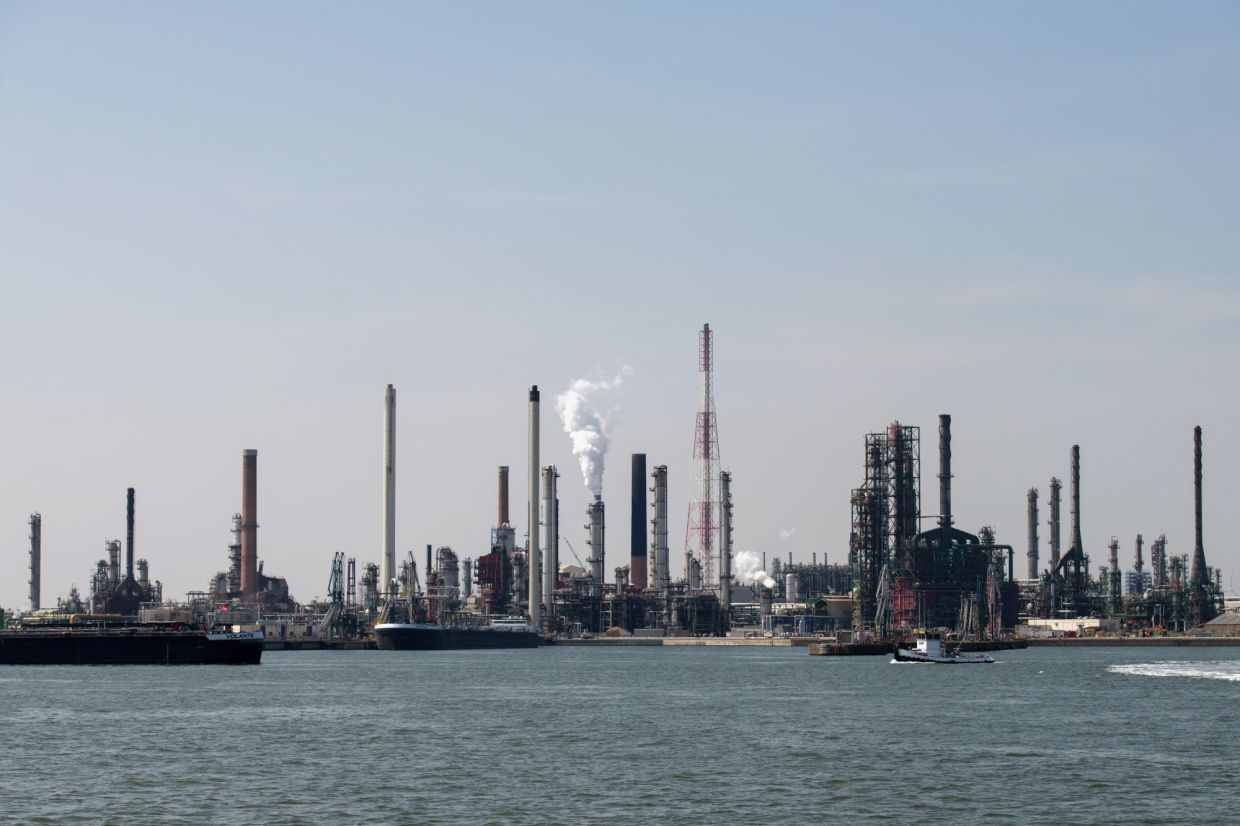
Markets have a long memory, and it’s usually a traumatized one. Mention an oil supply disruption in the Middle East alongside a weakening currency in Southeast Asia, and analysts immediately start sweating about 1997. That year, the Thai baht collapsed, a regional domino effect took hold, and the "Asian Tigers" went from economic miracles to IMF patients overnight. Today, as tensions involving Iran threaten to send crude prices northward, the ghost of the Asian Financial Crisis is haunting trading floors again.
But the fear is misplaced.
You can’t just copy-paste a 30-year-old crisis onto the 2026 global economy and expect it to fit. The world has changed. Asia has changed. While a spike in oil prices would definitely hurt, the structural rot that allowed a local currency dip to turn into a global catastrophe simply isn't there anymore. We’re looking at a different beast entirely.
The fundamental shift in foreign exchange reserves
In 1997, Asian central banks were caught with their pockets empty. They tried to defend fixed exchange rates against speculative attacks using dollar reserves they didn't actually have. When the money ran out, the peg snapped. It was messy. It was fast. It was a total wipeout.
Things look nothing like that now. Following the 2026 projections, countries like Thailand, Indonesia, and South Korea have built massive war chests. They’ve spent decades hoarding US dollars and diversifying their holdings. They aren't trying to maintain rigid, artificial pegs anymore. Most have moved to managed floats. This means their currencies act as a pressure valve. If oil prices go up and the currency weakens, it happens gradually. It doesn't explode.
These nations also learned the hard way about "original sin"—borrowing in a foreign currency to fund local projects. Back then, if your currency dropped 20%, your debt effectively grew 20%. That’s a death spiral. Today, much more of the region's debt is denominated in local currency. Even if the Indonesian rupiah or the Malaysian ringgit takes a hit from high energy costs, the underlying debt doesn't automatically balloon into an unpayable monster.
Why oil doesn't bite the same way
Energy intensity isn't what it used to be. Yes, Asia is the world's largest importer of crude. Yes, China and India are thirsty for Iran’s output. But the amount of oil needed to produce one dollar of GDP has dropped significantly since the late nineties.
We've seen a massive push toward renewables and liquid natural gas (LNG). Vietnam and Taiwan are pouring billions into offshore wind. China is the global leader in electric vehicle adoption. While a barrel of oil hitting $120 would cause pain at the pump and spike inflation, it won’t grind these economies to a halt. In 1997, there were no alternatives. Now, there are options.
The supply chain has also evolved. In the nineties, Asia was the world’s factory for cheap plastic goods and textiles—sectors heavily reliant on stable oil prices for both production and shipping. Today, the region dominates high-end semiconductors and green tech. These are high-margin industries. They can absorb a temporary surge in shipping costs far better than a T-shirt factory in 1997 could.
The China factor is a double edged sword
You can't talk about an Asian crisis without looking at Beijing. In 1997, China was a bit player on the global stage. Now, it’s the engine. Some people argue this makes the region more vulnerable. They say if China catches a cold from an oil shock, Asia gets pneumonia.
That's a fair point, but it ignores China's strategic stockpiles. Beijing has been aggressively filling its Strategic Petroleum Reserve (SPR) for years. They have enough oil tucked away to weather a significant disruption from the Strait of Hormuz. They also have a unique relationship with Tehran. Even under heavy sanctions, Iranian "tea" (as the oil is often coded) finds its way to Chinese independent refiners.
The real danger isn't a repeat of 1997. It’s a prolonged period of "stagflation" where growth slows while prices stay high. But that’s a slow burn, not a sudden heart attack.
Banking systems aren't the house of cards they used to be
The 1997 crisis was as much about bad banking as it was about currency. "Crony capitalism" wasn't just a buzzword; it was the business model. Banks were lending to politically connected firms with zero due diligence. When the tide went out, we saw how many people were swimming naked.
The regulatory environment in 2026 is unrecognizable compared to that era. Post-1997 reforms, followed by the 2008 global crash, forced Asian banks to clean up their acts. Capital adequacy ratios are higher. Transparency is better. The "hidden debt" that sank firms in the nineties is much harder to conceal now.
What to watch for instead of a meltdown
Don't look for a sudden currency collapse. Look for these three things instead:
- Current account deficits: Countries like India and the Philippines that import almost all their oil will see their trade balances worsen. This puts pressure on their central banks to raise interest rates.
- Fiscal subsidies: Governments in Malaysia and Indonesia often subsidize fuel to keep the peace. If oil stays high, these subsidies eat the national budget, leaving less for infrastructure.
- The US Fed: If an oil shock drives US inflation up, the Fed will keep rates high for longer. That sucks capital out of emerging markets and back into the US. That’s the real "contagion" risk.
The verdict on history repeating
History doesn't repeat, but it often rhymes. We might see a "rhyme" in terms of market volatility and some scary headlines. We might see some localized pain in smaller, frontier markets with less reserve backing. But a systemic, region-wide collapse that threatens the global financial order? No.
The defenses built over the last three decades are too strong. Asia is a creditor to the world now, not just a borrower. That’s a massive psychological and financial shift.
If you’re an investor or a business owner operating in the region, stop looking at the 1997 charts. They’re irrelevant. Instead, focus on the energy transition speeds of individual countries. Look at which nations are actually reducing their reliance on the Middle East and which ones are just talking about it. That’s where the real winners and losers will be decided in the next six months.
Move your capital toward the markets with the highest "energy independence" scores. Diversify away from countries that still rely on heavy fuel subsidies to maintain social order. The shock is coming, but the crash isn't.