The headlines are bleeding with outrage. Environmental watchdogs are screaming "betrayal." The narrative is simple: the European Union, once the self-appointed moral compass of global climate policy, is "watering down" its methane regulations to keep the lights on.
They say the EU is trading the planet for a warm radiator. They are wrong.
This isn't a retreat. It is a long-overdue collision with physics and geopolitical math. The "lazy consensus" suggests that strict, immediate methane curbs on imports are the only way to save the Green Deal. In reality, dogmatic adherence to those rules would have triggered an industrial suicide pact. By relaxing the timelines and reporting requirements for energy imports, the EU isn't failing; it’s finally growing up.
The Myth of the "Clean" Import
For years, Brussels operated under a delusion: that it could dictate the carbon intensity of global production through sheer legislative will. The original draft of the methane regulation treated the global energy market like a captive audience. It assumed that if Europe demanded rigorous Monitoring, Reporting, and Verification (MRV) from exporters in Algeria, the U.S., or Qatar, those nations would simply fall in line.
They didn't.
Instead, we saw the emergence of a two-tier market. The "clean" gas went to Europe at a premium, while the "dirty" gas—the stuff actually venting methane into the atmosphere—found eager buyers in Asia and South America. We weren't reducing global emissions; we were just paying a "virtue tax" to rearrange where the molecules ended up.
Physics Doesn't Care About Your Pledges
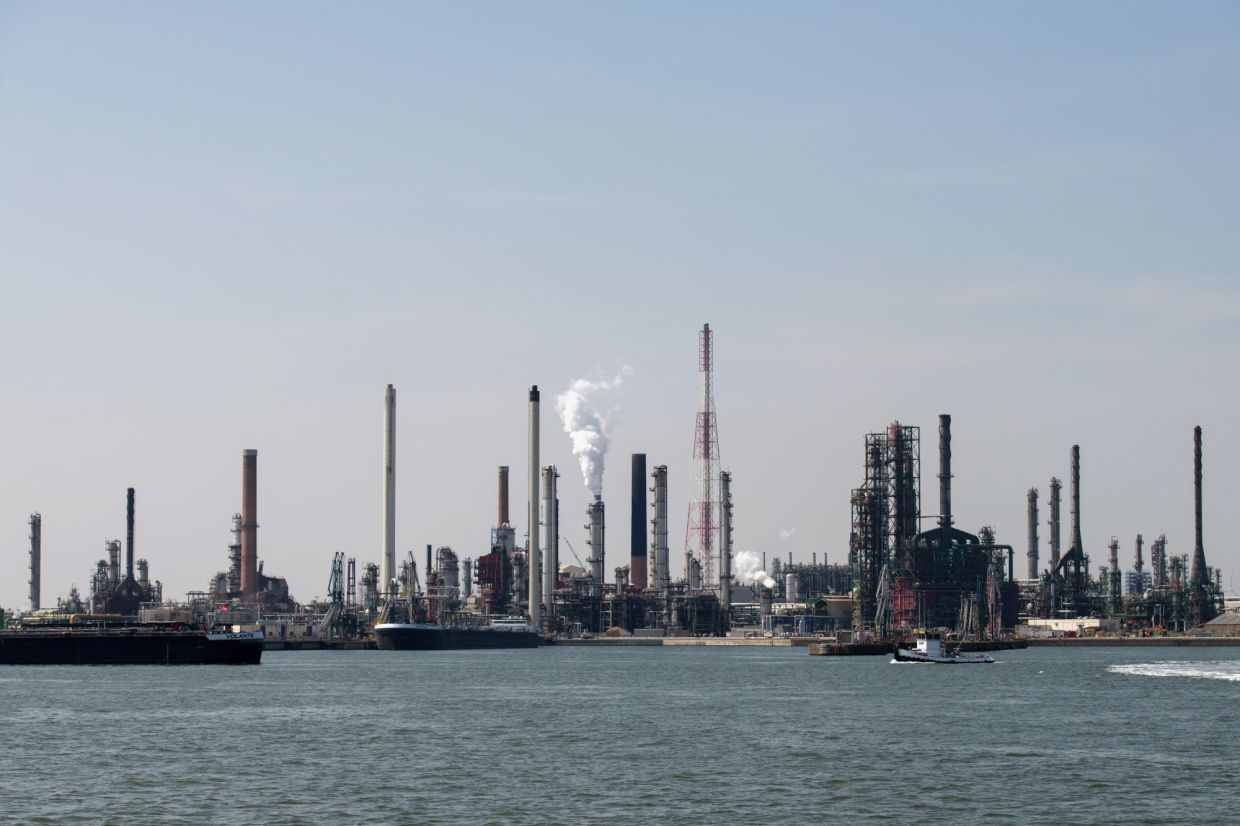
Methane ($CH_4$) has a global warming potential over 80 times that of $CO_2$ over a 20-year period. That is a scientific fact. But here is the industry secret nobody wants to say out loud: measuring it accurately at the wellhead in a Siberian tundra or a Saharan oil field is functionally impossible with current commercial technology at the scale the EU initially demanded.
Most "satellite data" used by NGOs to shame energy companies is based on coarse resolutions. It identifies massive plumes—the "super-emitters"—but misses the constant, low-level "background noise" of leaks that make up the bulk of the problem. By demanding precise MRV data from international partners who lack the infrastructure to provide it, the EU was effectively banning energy supplies based on a data gap.
I have sat in boardrooms where executives looked at EU compliance costs and realized it was cheaper to just stop selling to France and Germany than to retrofit a thousand valves in a remote desert. When you make the cost of compliance higher than the margin of the product, you don't get "greener" gas. You get no gas.
The Security-Climate Paradox
The invasion of Ukraine changed the math. Before 2022, the EU could afford to be a picky eater because the Russian buffet was always open. Today, energy security is national security.
The critics argue that relaxing methane rules for LNG imports from the U.S. or pipeline gas from Azerbaijan is a "sell-out." I call it a survival strategy. If the EU enforced the strictest version of the Methane Regulation tomorrow, it would face a supply crunch that would make the 2022 price spikes look like a discount sale.
- Scenario: Imagine a winter where the EU bans 30% of its LNG imports because the Texas Permian Basin operators can't prove their venting rates to an EU-approved standard.
- Result: European manufacturing collapses. Steel, chemicals, and glass production move to China, where methane regulations are a suggestion, not a law.
By easing the rules, the EU is preventing "carbon leakage"—the process where dirty industries move to less regulated regions. Keeping the industry in Europe, even with slightly higher methane intensity in the short term, is a net win for the global atmosphere.
Stop Asking if it’s "Green" and Start Asking if it’s "Traceable"
The real failure of the original methane rules wasn't the ambition; it was the mechanism. The EU tried to use a "command and control" approach on a global commodity market. It doesn't work.
What the "relaxed" rules actually do is shift the focus toward a phased-in approach. This allows for the development of the Global Methane Transparency Database. This is the boring, technical stuff that actually matters. Instead of punishing exporters for what they can't measure today, the EU is building the infrastructure to measure everything tomorrow.
We need to stop the obsession with immediate bans. The goal should be the commoditization of low-methane gas. We need a market where a "Gold Standard" Methane-Free certificate adds value to a shipment, rather than a "Dirty Gas" label acting as a total barrier to entry.
The Cost of the Moral High Ground
Let’s be brutally honest about the downsides. Yes, delaying these rules means more $CH_4$ enters the atmosphere in 2026 and 2027 than the activists wanted. That is the price of keeping the European grid stable.
But there is a deeper risk. By moving the goalposts, the EU risks losing its "first-mover advantage" in green tech. If we don't force the issue, will the technology to detect leaks ever reach the required scale? It's a valid fear. But you can't build a green tech empire on the back of a bankrupt economy.
The revised rules are a recognition that the transition to a low-carbon economy is a marathon, not a sprint through a minefield.
The Actionable Pivot for Energy Players
If you are an investor or an energy operator, don't misinterpret this "relaxation" as a license to leak. The scrutiny isn't going away; the EU is just giving you the rope to hang yourself later.
- Invest in Midstream Integrity: The easiest methane to catch isn't at the well; it's in the pipes and compressors. That’s where the "low-hanging fruit" of emissions reduction lives.
- Adopt Differential Pricing: Start internalizing the cost of methane now. Even if the EU isn't taxing your imports today, the market will soon demand a "methane-adjusted" price.
- Ignore the Headlines: The "watering down" narrative is for people who don't understand how a heat exchanger works. The regulatory pressure is still building; the valve just had its pressure released to prevent an explosion.
The EU has stopped trying to be a martyr for the climate and has started acting like a superpower. It’s about time.
Stop looking for a "clean" energy source that doesn't exist yet and start managing the messy one we have.
Europe just chose reality over rhetoric. Deal with it.