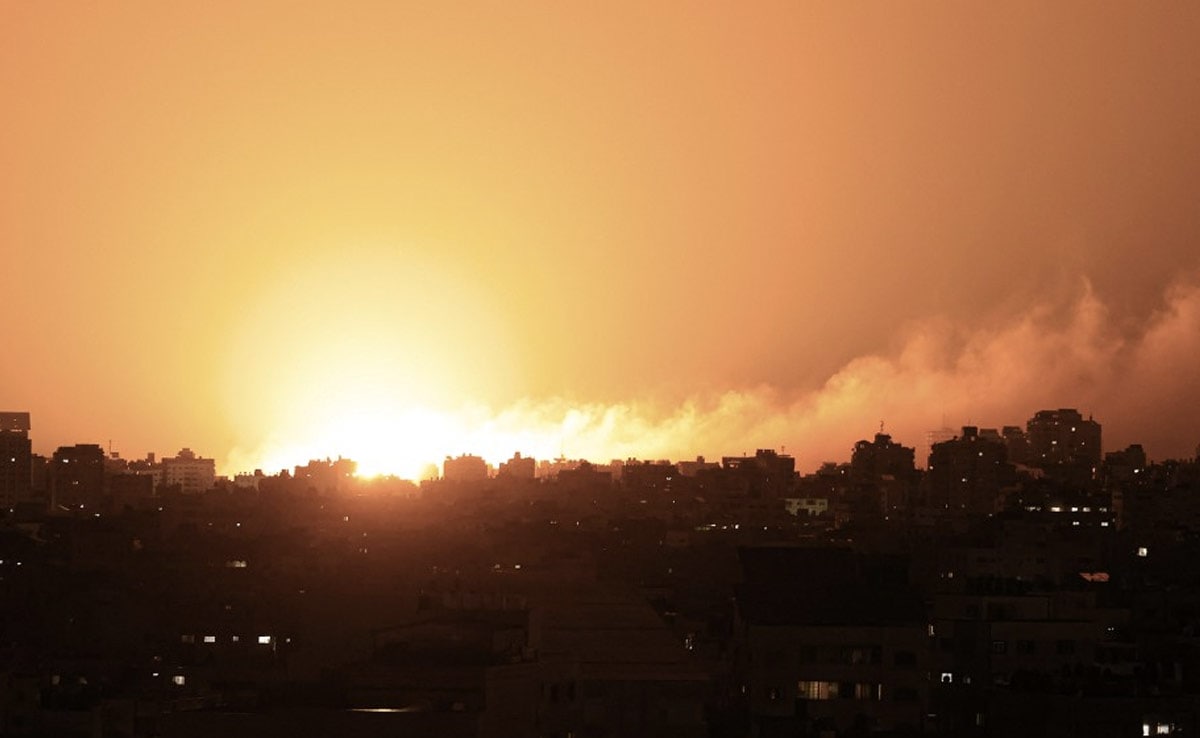
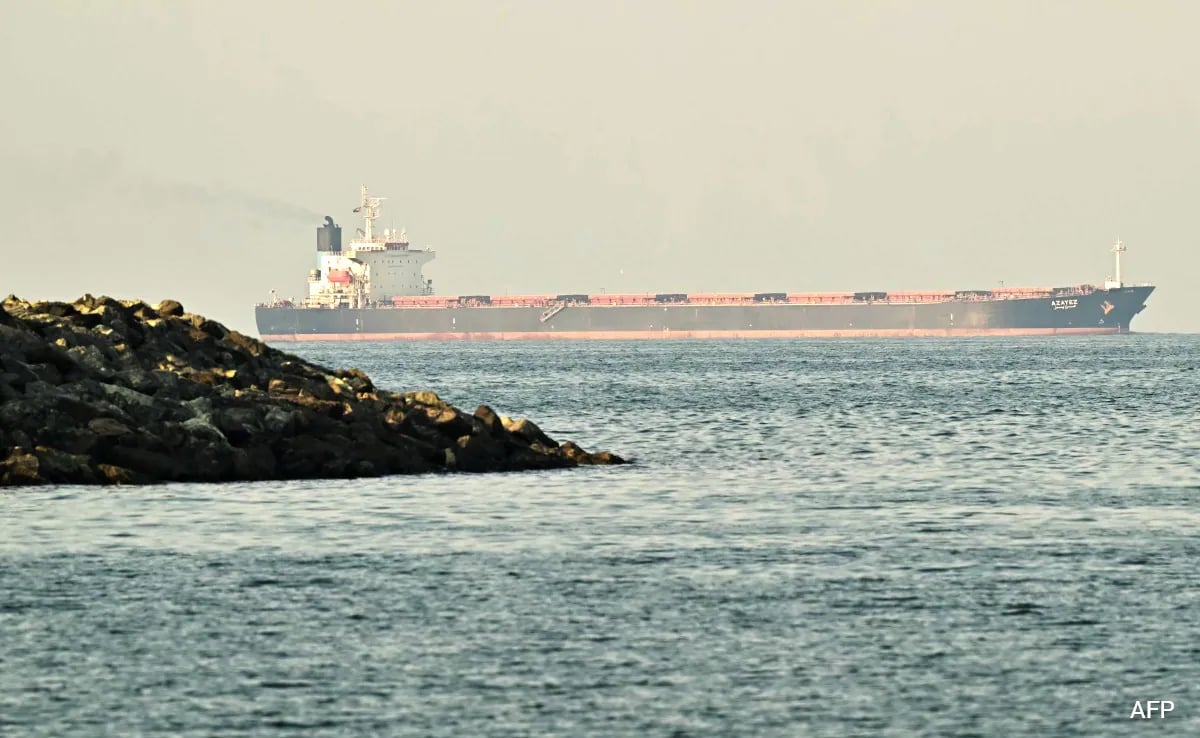
A merchant vessel transiting the waters off the coast of the United Arab Emirates has been struck by an unidentified projectile, marking a sharp escalation in the shadow war simmering within the world’s most sensitive maritime chokepoints. While the United Kingdom Maritime Trade Operations (UKMTO) has confirmed the incident occurred approximately 60 nautical miles southwest of Aden—near the critical Bab el-Mandeb Strait—the lack of an immediate claim of responsibility points to a sophisticated level of plausible deniability that is becoming the new standard for maritime disruption.
This is no longer just about regional friction. It is a direct assault on the mechanics of global supply chains. When a container ship is hit, the ripples move faster than the tide. Insurance premiums for "war risk" zones spike within hours. Shipping conglomerates begin rerouting vessels around the Cape of Good Hope, adding weeks to transit times and millions to fuel costs. We are witnessing the weaponization of geography, where a single, relatively inexpensive drone or missile can hold the global economy hostage.
The Anatomy of the Strike
Early reports indicate the vessel sustained damage on its port side, though it remained seaworthy and continued its transit. This detail is telling. In the world of maritime sabotage, a strike that disables but does not sink a ship serves a specific tactical purpose: it creates maximum psychological impact with minimum international blowback. Sinking a massive container ship creates an environmental catastrophe and a salvage nightmare that could force a heavy-handed military response from global powers. A "kinetic warning," however, keeps the industry on edge without crossing the threshold into total war.
The sophistication of these projectiles has evolved. We are moving past the era of rudimentary limpet mines attached by divers under the cover of darkness. Today’s threats are airborne, often launched from hundreds of miles away, utilizing GPS coordinates and infrared homing. The barrier to entry for disrupting billion-dollar trade routes has never been lower.
The Failure of Conventional Deterrence
The presence of international task forces has not stopped the bleeding. Despite the deployment of advanced destroyers and carrier strike groups to the region, the vastness of the ocean makes it impossible to provide a "hard bubble" of protection for every commercial hull. The attackers aren't looking for a fair fight against a Navy destroyer. They are hunting the softest targets—the slow-moving, massive freighters that carry everything from liquid natural gas to the consumer electronics sitting in your living room.
Private maritime security companies are now seeing a surge in demand, but their utility is limited. A team of armed guards on a deck can repel a pirate skiff, but they are virtually useless against a loitering munition or a sub-sonic cruise missile. The industry is facing a technical gap that current shipboard defenses cannot bridge.
The Economic Fallout of Uncertainty
The immediate concern for the boardroom isn't just the physical safety of the crew; it is the bottom line. The maritime industry operates on razor-thin margins and rigid schedules. When the UAE coast becomes a "red zone," the entire logic of "just-in-time" delivery collapses.
- Insurance Volatility: War risk premiums are not static. They can double or triple overnight following a single confirmed strike. This cost is inevitably passed down to the consumer.
- Fuel and Logistics: Rerouting a vessel to avoid the Gulf of Oman or the Red Sea adds roughly 3,500 nautical miles to a journey from Asia to Europe. That is not just a delay; it is a massive increase in carbon emissions and fuel consumption.
- Port Congestion: When ships arrive out of sequence or are delayed by weeks, the receiving ports in Rotterdam or Los Angeles face a "clumping" effect, leading to backlogs that take months to clear.
The Intelligence Gap
Why can't we identify the source of these projectiles immediately? The reality of modern electronic warfare is that "fingerprinting" a launch has become an exercise in frustration. Attackers use mobile launch platforms—sometimes disguised as civilian trucks or small fishing dhows—that disappear back into the coastal landscape minutes after a launch.
Satellite coverage is extensive but not omnipresent. Unless a sensor is staring at the exact patch of desert or sea at the moment of ignition, the trail goes cold quickly. This ambiguity is a feature, not a bug, of the current conflict. It allows state-related actors to exert pressure on the West while maintaining a diplomatic "out" by blaming "uncontrolled elements" or local militias.
The Fragility of the UAE Maritime Hub
The UAE, particularly the port of Fujairah, serves as one of the world's most important bunkering and ship-to-ship transfer hubs. If the waters off its coast are perceived as unsafe, the entire maritime infrastructure of the Middle East faces a crisis of confidence. This isn't just about one ship; it's about the security of the corridor that feeds the energy needs of the planet.
The Tech Arms Race on the High Seas
We are entering a phase where commercial shipping must adopt military-grade technology to survive. There is serious talk in industry circles about equipping large merchant vessels with directed-energy weapons or high-frequency jamming arrays.
However, the legal hurdles are immense. Bringing a "weaponized" merchant ship into a neutral port like Singapore or Dubai creates a diplomatic nightmare. Port authorities are hesitant to allow vessels equipped with electronic warfare suites to dock in civilian harbors, fearing interference with local aviation and communication grids.
Identifying the Pattern
This latest strike follows a pattern of "calibrated escalation." If you look at the timeline of maritime incidents over the last twenty-four months, there is a clear rhythm. The attacks intensify whenever regional diplomatic negotiations stall or when international sanctions are tightened. The sea is being used as a pressure valve for land-based political disputes.
The "unknown projectile" is rarely truly unknown to intelligence agencies. They usually have a high degree of certainty about the point of origin and the manufacturing source of the hardware. The "unknown" label is often a diplomatic courtesy—a way to avoid an immediate requirement for military retaliation while the back-channel negotiations take place.
The Reality for the Crew
While analysts talk about macroeconomics and geopolitics, the human element is often ignored. The merchant mariners on these ships are civilians. They are not trained for combat, and they are not paid to be targets in a proxy war. The psychological toll of sailing through these "chokepoints" is leading to a retention crisis in the industry. Fewer people want to spend six months on a slow-moving target, and without crews, the ships don't move, regardless of how much we pay for the cargo.
We are reaching a tipping point where the "business as usual" approach to maritime security is no longer viable. The ocean has become a transparent battlefield where the advantage lies entirely with the aggressor.
The Myth of Neutrality
In the past, flying a neutral flag—like that of Panama or the Marshall Islands—offered a layer of protection. That era is over. In the current landscape, the cargo's origin, the ship's destination, and even the nationality of the owners are all scrutinized by actors looking to make a point. Neutrality is no longer a shield.
The shipping industry needs to stop waiting for a governmental solution that may never come. Relying on an overstretched Navy is a losing strategy. The shift must move toward hardened hulls, autonomous detection systems, and a complete overhaul of how we track small-craft movement in high-risk corridors.
The strike off the UAE coast is a loud, metallic reminder that the veins of global commerce are exposed and the hunters are getting bolder. If the industry doesn't adapt to this new era of precision sabotage, the cost of doing business will soon exceed the value of the trade itself.
Pressure the insurers to demand better onboard tech. Force the flag states to allow defensive measures. Stop treating these strikes as isolated accidents and start treating them as the opening volleys of a new kind of economic warfare.