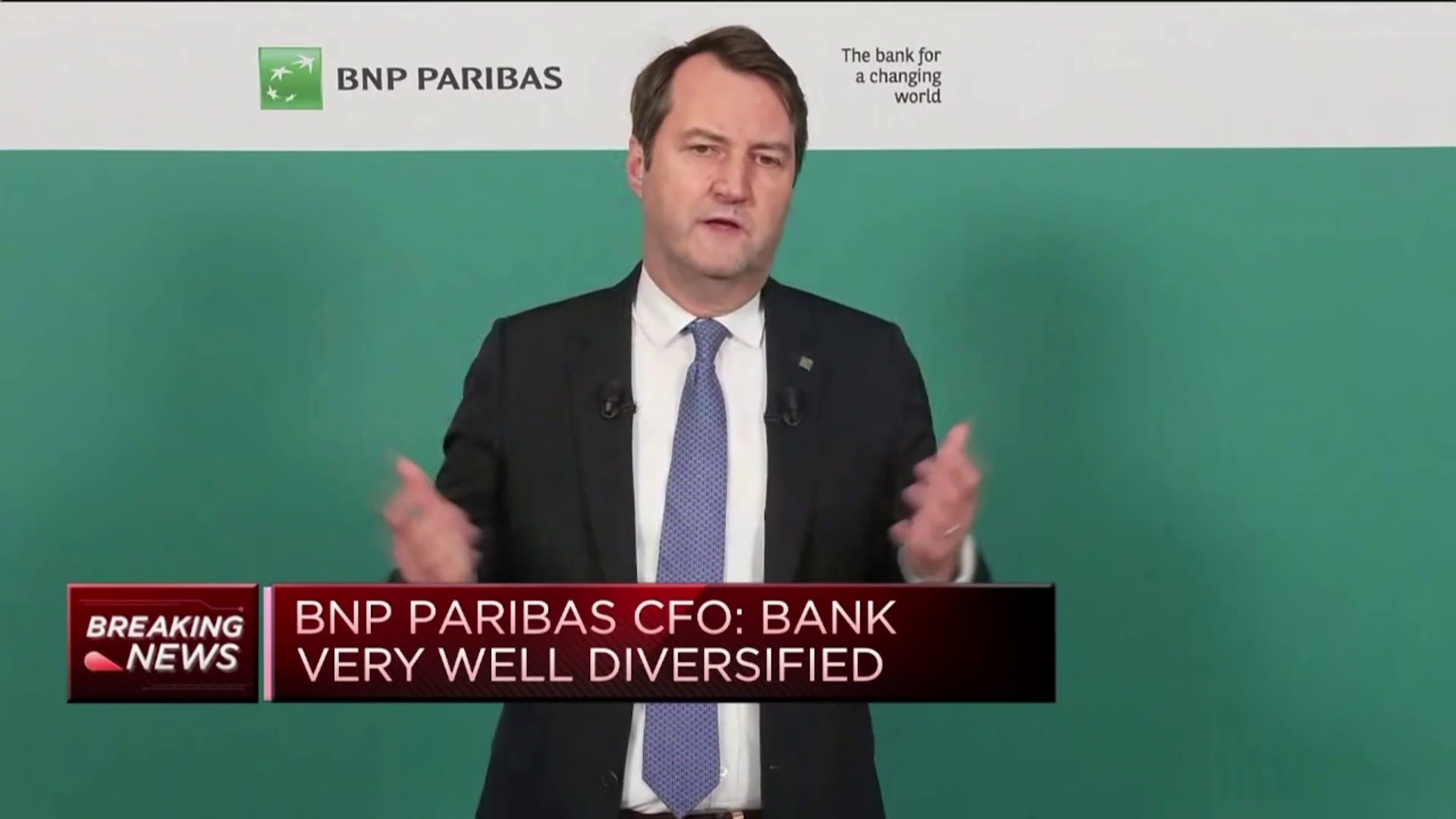
The treasury departments of the world's largest corporations are currently engaged in a frantic, high-stakes sprint to secure capital before the window of opportunity slams shut. This is not the measured, strategic borrowing of a stable era. It is a defensive maneuver triggered by the realization that the cost of money is no longer a predictable variable. Companies are pulling forward their 2027 and 2028 refinancing needs into the present quarter, desperate to lock in current rates before geopolitical instability or a sudden inflationary spike sends yields back into the stratosphere.
The "volatility" often cited by financial news outlets is more than just a flickering ticker tape. It is a fundamental shift in how the bond market functions. For a decade, cheap money was a right. Now, it is a luxury. We are seeing investment-grade firms—the kind that usually move with glacial precision—hit the primary markets with multibillion-dollar offerings in a matter of days rather than months. They are terrified of being caught in a liquidity trap where the markets stay "open" but the price of entry becomes ruinous.
The Mechanics of the Preemptive Strike
When a CFO looks at a balance sheet today, they don't see assets; they see a ticking clock. Most corporate debt is structured in "tranches," or layers of loans that expire at different times. If a company has $5 billion in debt maturing in eighteen months, waiting until the sixteenth month to refinance is now considered a fireable offense.
Instead, they are executing what is known as a "pre-funding" strategy. This involves issuing new debt now, even if they don't strictly need the cash today, to pay off future obligations early. The math is brutal. If a firm can borrow at 5% now but fears that a global conflict or a messy election cycle could push that rate to 7% by next year, the "carry cost"—the interest they pay on the cash sitting in the bank in the interim—is a price they are willing to pay for certainty.
This rush creates a crowded theater where everyone is trying to reach the exit at once. When ten massive tech firms and five global manufacturers all decide to issue bonds in the same week, they compete for a finite pool of investor capital. To attract buyers, they have to offer "new issue concessions," essentially a small bribe in the form of a higher interest rate than the secondary market would suggest. The irony is palpable. In their haste to avoid high future rates, companies are collectively pushing current rates higher for one another.
The Mirage of Economic Soft Landings
Central banks have spent the last year whispering sweet nothings about "soft landings" and "stabilization." The bond market isn't buying it. If the C-suite truly believed that inflation was conquered and rates were on a one-way trip back to zero, they would be sitting on their hands, waiting for borrowing to get cheaper.
The reality is that corporate treasurers are positioning for a "higher-for-longer" environment that the public markets haven't fully priced in. They see the underlying structural issues: aging populations limiting labor supply, the massive capital expenditures required for the energy transition, and the deglobalization of supply chains. All of these factors are inherently inflationary.
The Cost of Hesitation
Consider a hypothetical manufacturing giant with a BBB credit rating. Last year, they might have balked at a 6% coupon. Today, they are snapping it up. They have watched peers get "shut out" of the market during brief windows of panic—weeks where not a single corporate bond is issued because the volatility index (VIX) spiked too high. In those moments, the market doesn't just get expensive; it vanishes.
For a firm with heavy machinery to maintain or R&D cycles to fund, a three-week market freeze is a catastrophe. By borrowing now, they are buying an insurance policy against a total credit freeze. They are not looking for the best deal; they are looking for the guaranteed deal.
Investors Are No Longer Passive Bystanders
The power dynamic has shifted. For years, yield-starved investors would buy almost any "paper" that offered a return higher than a Treasury bill. Those days are gone. Bondholders are now demanding stricter "covenants"—legal protections that limit how much more debt a company can take on or how much cash it can give back to shareholders via buybacks.
Investors are also scrutinizing the "use of proceeds" with a cynical eye. If a company borrows $2 billion to fund a speculative acquisition, the market might punish them with a higher interest rate. If they borrow that same amount to retire old debt and fortify the balance sheet, the market rewards them. We are witnessing a return to fundamental credit analysis, where the actual health of the business matters more than the general direction of interest rates.
The Leveraged Loan Danger Zone
While investment-grade companies are sprinting, the "junk" or high-yield sector is limping. These are the companies that already have high debt-to-earnings ratios. For them, the "dash for cash" is less of a strategic move and more of a desperate prayer. Many of these firms are seeing their interest expenses double. In an environment where consumer spending is cooling, a doubling of interest costs is the first step toward restructuring or bankruptcy.
We are seeing a surge in "private credit"—shadow banking where companies go when the public markets reject them. This is a darker corner of the finance world, where rates are higher, transparency is lower, and the terms are predatory. The migration of corporate debt into these private pockets masks the true level of stress in the system.
The Geopolitical Risk Factor
Modern finance tends to treat politics as "noise," but the current debt wave is being driven by very specific geographic anxieties. A flare-up in the Middle East or a trade war escalation with China doesn't just affect oil prices; it affects the "risk premium" investors demand to hold corporate debt.
When a treasurer sees a headline about a new round of tariffs, they don't call the logistics manager; they call the investment bank. They know that a disrupted global economy leads to "risk-off" sentiment. In a "risk-off" world, investors sell corporate bonds and buy gold or government debt. For a company trying to stay liquid, that shift is a death knell.
The Liquidity Trap of 2026
The sheer volume of debt being issued right now creates a secondary problem: the "refinancing wall." By moving all their debt maturities to the same window in the future, corporations are collectively creating a massive hurdle for themselves three to five years down the line. We are essentially kicking the can down the road, but the can is getting heavier and the road is getting steeper.
If the economy isn't significantly stronger when this new wave of debt matures, we will face a systemic crisis. The "dash for cash" is a survival tactic for the individual firm, but for the global economy, it is a massive build-up of systemic pressure. We are watching the creation of a future bottleneck that will require even more radical intervention to clear.
The Internal Power Struggle
Inside these corporations, the relationship between the CEO and the CFO is changing. The CEO wants to spend on growth, AI, and expansion. The CFO is playing defense, hoarding cash, and prioritizing debt service. This tension is stalling innovation. When a significant portion of cash flow is diverted to paying interest on "pre-funded" debt, there is less money for the projects that actually drive long-term value.
This is the hidden cost of the debt dash. It’s not just the interest rate; it’s the opportunity cost. We are entering an era of "zombie growth," where companies look healthy on paper because they have billions in the bank, but they are actually stagnant because that money is spoken for. It is a protective shell that prevents the organism inside from growing.
The Illusion of Strength
A large cash balance on a 10-K filing used to be a sign of a "fortress balance sheet." In 2026, it is often a sign of fear. It tells you the management team is terrified of the market's unpredictability. They are willing to pay a premium for the peace of mind that comes with not having to talk to a banker for the next thirty-six months.
The winners in this environment won't be the companies with the most debt or even the least debt. They will be the ones who didn't wait for the "perfect" moment to act. In a market defined by chaos, the only wrong move is standing still while the floor is moving.
Check your company's maturity schedule tonight. If your firm isn't already in the market, you are likely already too late.