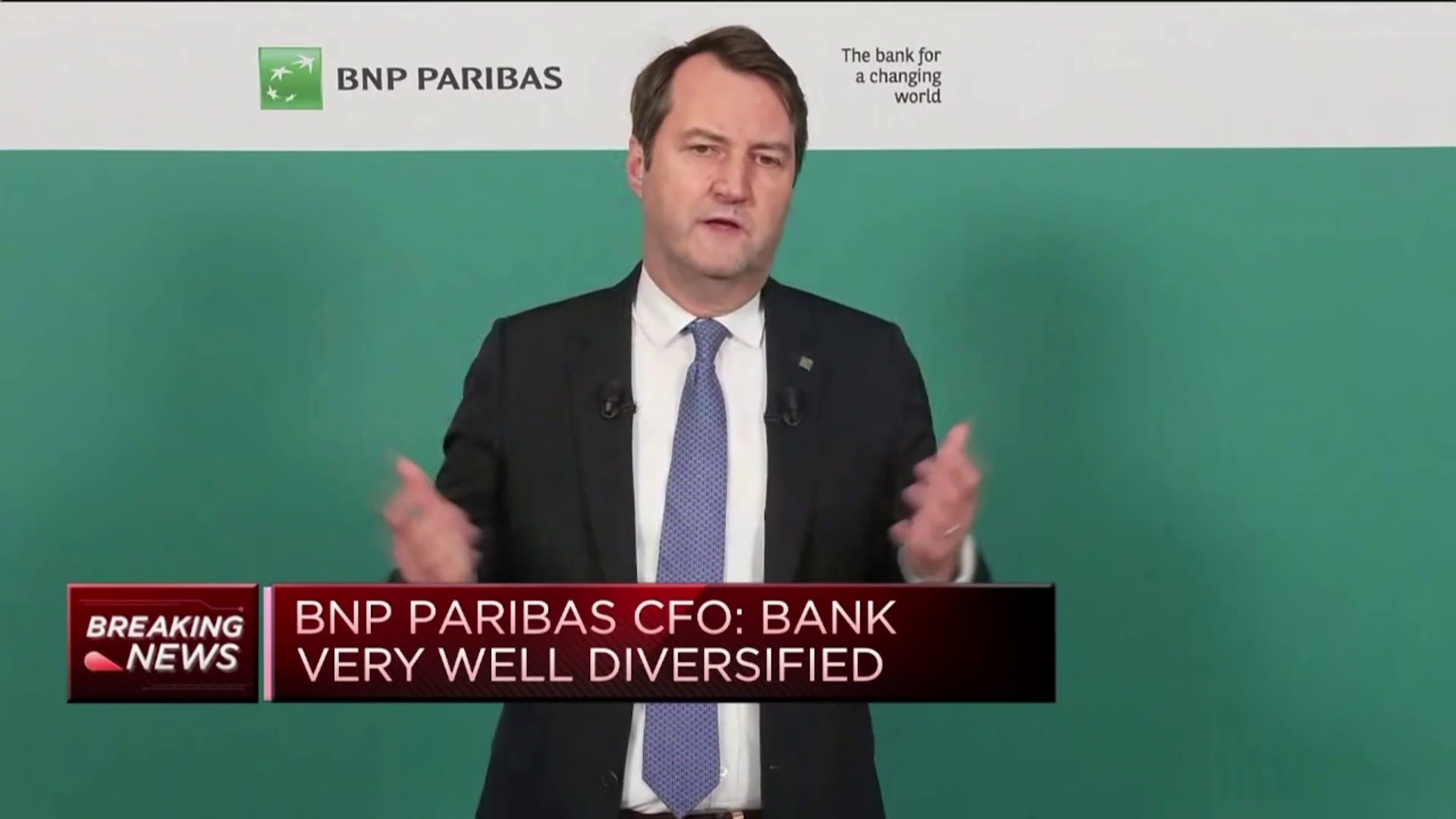
The financial press is currently obsessed with a singular, lazy narrative: Western capital is finally "muscling in" on Japan. They point to BNP Paribas expanding its advisory teams. They highlight the influx of private equity dry powder. They treat the Tokyo market like a sleeping giant that has finally been poked awake by the stick of corporate governance reform.
It is a comforting story for London and Paris-based analysts. It is also fundamentally wrong. If you found value in this piece, you should read: this related article.
What the "muscling in" narrative misses is that Japan isn't a door waiting for a shoulder to lean on. It’s a labyrinth where the walls move. While BNP Paribas and its peers tout their "global connectivity" and "balance sheet strength," they are walking into a trap of their own making. They are bringing a blitzkrieg strategy to a war of attrition.
I have watched dozens of Western institutions attempt this exact maneuver over the last twenty years. They hire a few local rainmakers, lease an expensive floor in Otemachi, and issue a press release about "unlocking shareholder value." Three years later, they quietly downsize when they realize that in Japan, a relationship isn't a transaction—it’s a life sentence. For another angle on this event, see the recent coverage from The Motley Fool.
The Myth of the Governance Gold Rush
The prevailing wisdom suggests that the Tokyo Stock Exchange’s "name and shame" list for companies trading below book value is a dinner bell for foreign buyout shops. The logic follows that because the TSE is demanding better capital efficiency, Japanese management will suddenly embrace the aggressive, debt-heavy restructuring models favored by European banks.
This assumes Japanese CEOs care about their share price more than their social standing. They don’t.
In Japan, the "P" in PBR (Price-to-Book Ratio) is a metric of shame, but the "B" (Book) is a metric of safety. For a Japanese executive, stripping assets to boost a quarterly dividend is seen as a betrayal of the shachū—the community of employees, suppliers, and local creditors. BNP Paribas can offer all the structured finance in the world, but they cannot offer a solution to the "traitor" label that follows a CEO who sells to a foreign-backed buyout firm.
The Hidden Wall of the Main Bank System
Western analysts love to talk about the "fragmented" Japanese banking sector. They see it as an opportunity. They think that because interest rates are (slowly) rising, the local players will pull back, leaving room for sophisticated European players to dominate the buyout financing space.
This ignores the reality of the Main Bank System.
Even in 2026, the relationship between a Japanese conglomerate and its lead domestic bank is not merely financial. It is symbiotic. When a company hits a rough patch, the Main Bank doesn't just call the loan; they send in executives to help manage the turnaround. They provide a safety net that a firm like BNP Paribas, governed by Basel III constraints and head-office risk committees in Paris, simply cannot match.
Foreign banks operate on a "Return on Equity" (ROE) mandate. Japanese banks operate on a "Survival of the Ecosystem" mandate. You cannot out-compete someone who isn't playing the same game as you. If you try to "muscle in" with higher-cost capital and tighter covenants, you aren't an attractive alternative; you are a nuisance.
The Advisory Arbitrage Illusion
The recent hiring spree by BNP Paribas in Tokyo is predicated on the idea that there is a shortage of M&A advisory talent. There isn't. There is a shortage of trust.
A mid-cap Japanese manufacturing firm in Aichi prefecture doesn't want a pitch deck from a Frenchman who flew in from Hong Kong. They want to talk to the local regional bank manager they’ve known for thirty years.
Why the "Global Network" Argument Falls Flat:
- Context Collapse: European banks try to sell "cross-border" expertise. But most Japanese mid-cap buyouts are domestic-to-domestic consolidations.
- Cultural Friction: The Western impulse to "close the deal" runs head-first into the Japanese process of nemawashi (informal consensus building). You cannot rush nemawashi.
- The Talent Drain: The "rainmakers" hired by foreign firms are often just mercenaries. They move for the guarantee, stay for the bonus, and leave when the head office inevitably gets cold feet during a global downturn.
The Real Numbers Nobody Mentions
Let’s look at the actual cost of entry. To truly compete in the Japanese buyout market, you need a massive local balance sheet. You need to hold yen-denominated debt at razor-thin margins.
BNP Paribas’s cost of capital is inextricably linked to the European Central Bank’s reality. While the Bank of Japan has nudged rates upward, the spread between Japanese domestic lending and international corporate lending remains a chasm.
Imagine a scenario where a Japanese private equity firm, backed by MUFG or Mizuho, bids on a carve-out from a major electronics firm. Their cost of debt is $x$. A foreign bank, trying to justify the risk to its credit committee in Europe, offers debt at $x + 150$ basis points.
Who wins? It’s not the one with the "superior global platform." It’s the one with the cheapest, most patient yen.
The "Success" Mirage
You will see headlines about "Record Deal Volumes" for foreign banks in Japan. Look closer. These are almost always:
- Outbound M&A: Japanese companies buying overpriced assets in Europe or the US.
- Minority Stakes: Passive investments where the foreign bank has zero control.
- Public-to-Private: Only involving firms that were already international outliers.
This is not "muscling in" on the market. This is picking up the crumbs that the domestic giants decided weren't worth the effort. The true core of the Japanese economy—the hidden champions of the supply chain—remains militantly indifferent to European investment banking.
Stop Looking for "Value" and Start Looking for "Logic"
The mistake every Western analyst makes is searching for "undervalued" companies. They use screens, ratios, and spreadsheets. They find a company with a massive cash pile and no debt and think, "This is a perfect buyout candidate."
In Japan, that cash pile isn't "lazy capital." It is "insurance against the end of the world."
Until Western institutions stop trying to "fix" Japanese capital structures and start understanding why they exist, they will continue to burn through office budgets with nothing to show for it but a few tombstone trophies from deals that were going to happen anyway.
The "muscle" BNP Paribas is flexing is mostly fat. The real strength in the Japanese market is lean, local, and deeply suspicious of anyone who uses the word "synergy."
If you want to win in Japan, stop trying to disrupt it. Buy a minority stake in a domestic player and sit in the back of the room for twenty years. Otherwise, you’re just a tourist with an expensive briefcase.
Stop reading the league tables. They tell you who is busy, not who is winning. In the Japanese buyout market, the person shouting the loudest about their arrival is usually the first one to leave.