The intersection of US foreign policy and African public health is currently defined by a shift from institutional stability to a model of transactional bilateralism. While previous administrations viewed health aid as a soft-power instrument to ensure regional security, the emerging strategy prioritizes fiscal contraction and ideological alignment. This transition is not merely a change in funding levels; it is a fundamental reconfiguration of the risk profile for 54 nations that have integrated American technical assistance into their core sovereign health functions.
The Structural Fragility of Vertical Health Programming
Most US health interventions in Africa operate through "vertical" programs—funding streams dedicated to specific diseases like HIV/AIDS (PEPFAR) or Malaria (PMI). These programs bypass general local healthcare systems to achieve rapid, measurable results. However, this creates a dependency trap characterized by three primary variables:
- Technical Debt: Local ministries often defer infrastructure investment because US-funded NGOs provide parallel services.
- Labor Distortions: High-salaried donor projects pull the most skilled doctors and nurses out of public hospitals, weakening the baseline healthcare delivery system.
- Fiscal Cliff Proximity: Because these programs are funded via annual or multi-year congressional cycles, a shift in executive priority creates an immediate liquidity crisis for clinics that rely on US-purchased reagents and medications.
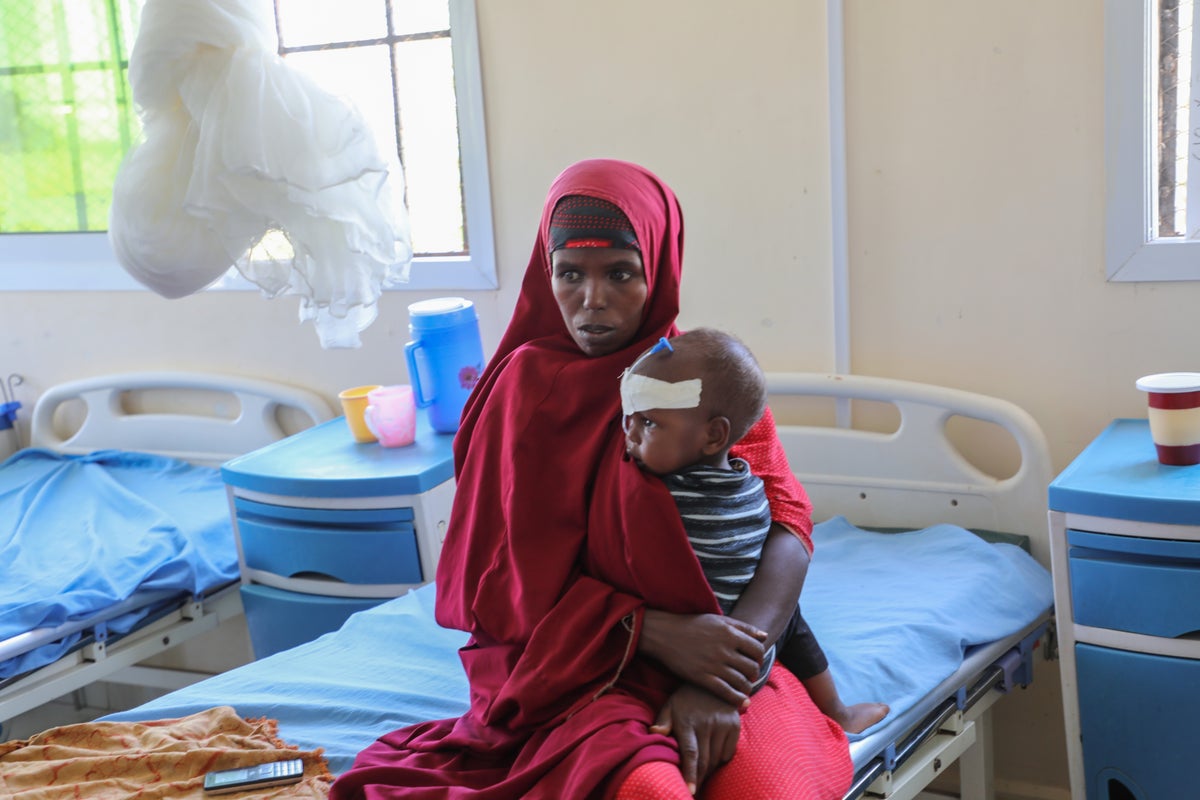
A policy that aggressively reduces these outlays or attaches strict ideological conditions—such as the reinstatement of the Mexico City Policy (the "Global Gag Rule")—forces a sudden internal reallocation of African national budgets. When American funding for reproductive health vanishes, African governments must either let maternal mortality rates spike or divert funds from other critical areas like oncology or emergency services. This is not a "risk" in the abstract; it is a quantifiable transfer of the cost of care from the US Treasury to some of the world's most constrained fiscal environments.
The Triad of Disruption: PEPFAR, WHO, and Global Health Security
The viability of African health systems under a renewed Trump-era doctrine depends on the management of three distinct pillars.
The PEPFAR Reauthorization Bottleneck
The President's Emergency Plan for AIDS Relief (PEPFAR) is the largest commitment by any nation to address a single disease. Its success relies on predictable, long-term procurement. If the administration shifts toward short-term extensions or introduces "conscience clauses" that restrict services to marginalized populations (such as LGBTQ+ individuals or sex workers), the epidemiological impact will be felt in rising viral loads.
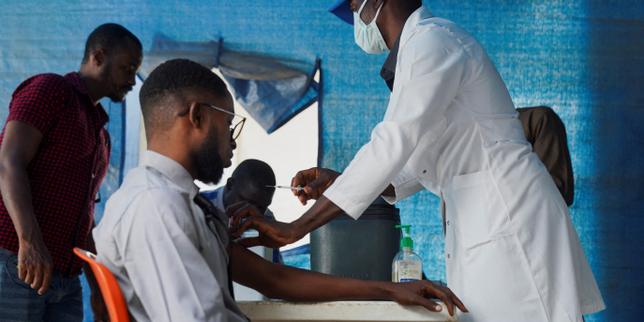
Viral suppression is a binary state at the population level. If a cohort of patients loses access to antiretroviral therapy (ART) due to a funding pause or a clinic closure, the risk of developing drug-resistant strains of HIV increases. This creates a secondary cost: the transition from first-line treatments (costing roughly $75 per patient per year) to second or third-line treatments, which can cost five to ten times more.
The Multilateral Exit Strategy
Withdrawal from or defunding of the World Health Organization (WHO) removes the "referee" from the field of African health. The WHO provides the standardized clinical guidelines that African regulators use to approve drugs and manage outbreaks. Without this central authority, US policy moves toward a fragmented, bilateral approach. While this gives the US more direct leverage over individual nations, it eliminates the economies of scale found in pooled procurement and shared surveillance data.
Global Health Security as Border Defense
The strategic pivot likely involves reclassifying "health aid" as "biosecurity." In this framework, funding is redirected toward programs that prevent pathogens from reaching US shores—specifically Ebola, Marburg, and avian influenza. This "fortress" logic prioritizes surveillance at transport hubs over primary care in rural villages. The flaw in this strategy is that surveillance is only effective if the underlying health system is functional enough to detect a "signal" amidst the "noise" of endemic disease. A village without a basic clinic is a biological black hole; an outbreak can reach exponential growth before it ever hits a radar at an international airport.
Quantifying the Geopolitical Vacuum
Strategic competition is a zero-sum game in the context of infrastructure. If the US retreats from health diplomacy, the vacuum is filled by alternative actors, primarily China and, to a lesser extent, Russia.
China’s "Health Silk Road" emphasizes the construction of physical assets—hospitals, diagnostic centers, and the headquarters of the Africa CDC in Addis Ababa. Unlike US aid, which is often tied to governance and human rights metrics, Chinese health investment is usually tied to resource extraction or telecommunications contracts. For an African head of state, the choice becomes:
- The US Offer: High-quality, high-oversight clinical aid with significant ideological "strings" and annual renewal uncertainty.
- The Chinese Offer: Hard infrastructure, localized manufacturing of vaccines, and no interference in domestic social policy, usually in exchange for long-term debt or resource access.
The shift in US policy toward isolationism or transactionalism effectively cedes the "moral high ground" of humanitarian leadership, replacing it with a pragmatic competition where the US lacks the physical infrastructure footprint to compete with Chinese "brick and mortar" diplomacy.
The Economic Consequences of Health Instability
Health is the baseline for economic productivity. The "risky bet" of the new policy isn't just a matter of clinical outcomes; it is an economic destabilizer for the African middle class.
- Workforce Attrition: A resurgence in preventable diseases reduces the labor participation rate.
- Out-of-Pocket Shock: When donor funding drops, the cost is passed to the individual. In many sub-Saharan countries, a single health crisis is the primary driver of households falling back into extreme poverty.
- Investment Risk: Global investors view health instability as a proxy for political instability. If a country cannot manage a predictable malaria season because its US-funded supply chain broke down, it is unlikely to be viewed as a safe harbor for foreign direct investment (FDI).
Navigating the Bilateral Pivot
African nations are already responding to this shift by pursuing "Health Sovereignty." This involves three tactical moves:
- Regional Integration: Strengthening the African Medicines Agency (AMA) to create a single regulatory market, reducing reliance on the US FDA or WHO.
- Domestic Resource Mobilization: Implementing "sin taxes" (on tobacco and alcohol) and insurance mandates to create internal funding pools that are immune to US congressional shifts.
- Diversified Procurement: Moving away from US-manufactured pharmaceuticals toward Indian and South African generics, which are more cost-effective and have fewer political caveats.
The "risk" for the US is that by making its health aid more conditional and less predictable, it becomes a less desirable partner. In the long term, this reduces American influence in the very regions where it seeks to counter-balance its global rivals.
The strategic play for African health ministries is to treat US funding as a volatile "bonus" rather than a foundational asset. This requires a brutal audit of every program currently supported by American dollars and the immediate development of a "Plan B" that relies on regional partnerships and local manufacturing. For the US, the move toward a narrower, security-focused health policy might save money in the current fiscal year, but it increases the long-term cost of regional instability and accelerates the pivot of African nations toward the East.
The most effective counter-strategy for the continent is the accelerated build-out of the African Pharmaceutical Technology Foundation. By localizing the production of essential medicines, Africa can decouple its survival from the shifting winds of Washington's political landscape. Sovereignty is not granted through aid; it is built through the ownership of the supply chain.