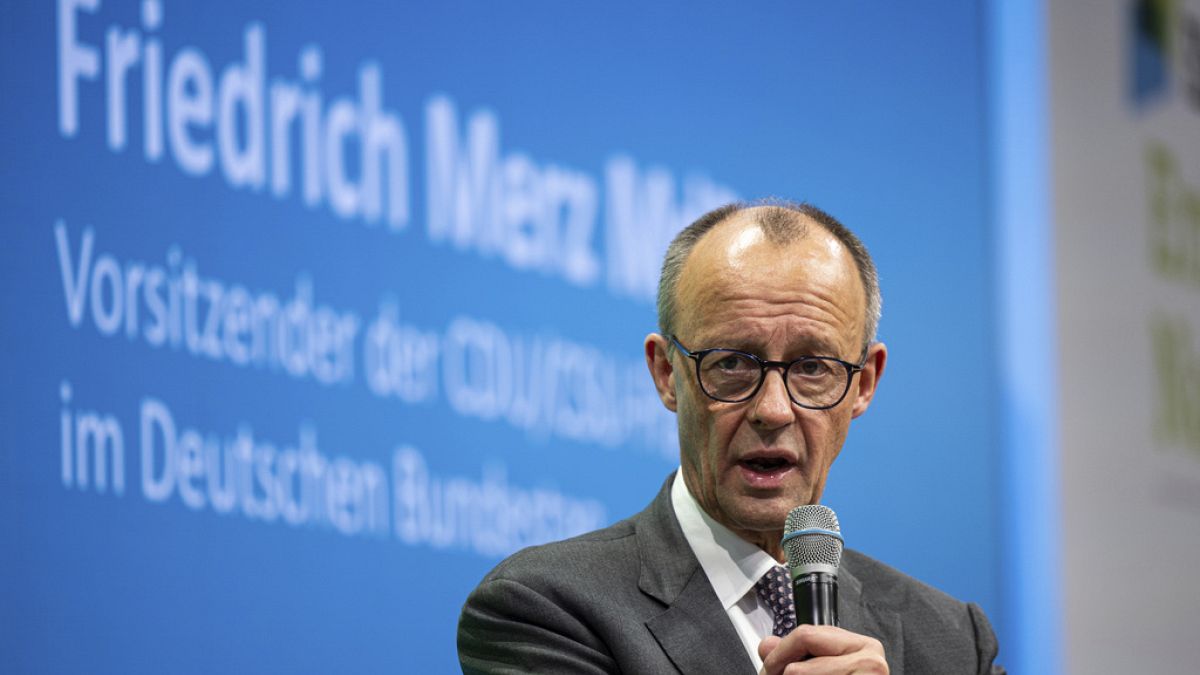
Germany’s political center of gravity just shifted. If you’ve been watching the recent state elections, you saw the shockwaves hit Berlin before the final ballots were even counted. The governing coalition is wobbling. Friedrich Merz isn't just standing by; he's stepping into the vacuum. The CDU leader sees a mandate for change that the current government seems too paralyzed to grab. It’s not just about winning votes anymore. It's about a fundamental rewrite of how Germany handles its economy and its borders.
The results from the eastern states weren't a surprise to anyone paying attention, but the scale was a gut punch. Voters didn't just nudge the door; they tried to kick it down. Mainstream parties are sweating. Merz, however, looks like a man who found his moment. He’s pushing for reforms that would’ve been unthinkable a few years ago. We’re talking about a total overhaul of the welfare system and a much harder line on migration. He knows the clock is ticking.
The Merz Doctrine and the End of Business as Usual
For years, German politics felt like a slow-moving glacier. Stability was the only currency that mattered. But stability turned into stagnation, and the electorate finally snapped. Merz is betting that the public is ready for "Realpolitik" on steroids. He’s calling for a "turnaround" that targets the very heart of the German social contract.
One of the biggest targets is the "Bürgergeld" or citizen’s allowance. To Merz and his supporters, the current welfare setup is a trap. They argue it disincentivizes work at a time when German industry is screaming for labor. You can't run a top-tier economy if people find it more logical to stay home than to take a job in a factory or a local shop. He wants to tighten the screws. If you can work, you must work. It’s a blunt message, but it’s landing well with a middle class tired of footing the bill for a system they feel is being exploited.
Border Control is No Longer a Taboo Subject
Migration was the elephant in the room that finally broke the furniture. The state elections proved that ignoring voter anxiety about integration and security is a losing strategy. Merz has seized this. He’s demanding a permanent change in how Germany manages its frontiers.
We’re seeing a push for actual rejections at the border. This isn't just about more paperwork or faster processing. It’s about a physical and legal pivot. The CDU is effectively saying that the European solution everyone keeps waiting for isn't coming fast enough. Germany has to act alone if it has to. This puts immense pressure on the Chancellor. If the government doesn't follow Merz’s lead, they look weak. If they do follow him, they admit their previous policies failed. Merz wins either way.
The energy transition is another battleground. Germany’s "Energiewende" has been a source of pride and a massive headache. High energy prices are gutting the "Mittelstand"—those small and medium-sized companies that are the backbone of the country. Merz wants to pause the ideological rush. He’s not saying climate change isn't real, but he’s saying that a bankrupt Germany can’t save the planet. He wants to keep all options on the table, including rethinking the nuclear phase-out that many now see as a strategic blunder.
Why the Current Coalition is Paralyzed
The "Traffic Light" coalition—Social Democrats, Greens, and FDP—is basically a marriage of convenience where the partners have stopped speaking. The Greens want more climate regulation. The FDP wants tax cuts. The SPD wants to protect the welfare state. They’re pulling in three different directions while the house is on fire.
This friction is Merz’s greatest asset. Every time the coalition bickers over the budget, he looks more like a Chancellor-in-waiting. He’s framing himself as the adult in the room. He isn't interested in the "fine-tuning" that the current government loves. He wants a chainsaw, not a scalpel. He’s looking at the structural deficits and the demographic crisis and realizing that "more of the same" is a recipe for national decline.
The Economic Reality Check
Let’s talk numbers because they don't lie. Germany’s growth has been flatlining. While the rest of the world recovered from recent shocks, the German engine sputtered. We’re seeing industrial giants like Volkswagen and BASF talking about closures and shifts to the US or China. This is a red alert.
Merz’s plan focuses on deregulation. He wants to cut the red tape that makes building a simple wind farm or a new factory take a decade. He’s pushing for a corporate tax structure that actually rewards investment here at home. Honestly, it’s a return to the principles that built the country after the war, updated for a digital age. He’s betting that Germans are more worried about their jobs than about perfectly balanced social programs.
Navigating the Rise of the Extremes
The rise of the AfD in the east is the backdrop to everything Merz does. He’s walking a razor’s edge. He has to win back those voters without becoming a carbon copy of the far-right. His strategy is to address the issues they care about—migration, identity, and the economy—but within a democratic, institutional framework.
It’s a risky gamble. If he goes too far right, he loses the centrist urban voters. If he stays too central, the AfD keeps growing. But his recent rhetoric suggests he’s found his lane. He’s leaning into "Common Sense" politics. He’s talking about "Leitkultur" (leading culture) again, a term that used to cause scandals but now seems to resonate with a public looking for some kind of anchor in a chaotic world.
A New Era for German Leadership
Germany is the leader of Europe, whether it likes it or not. When Berlin sneezes, the whole continent catches a cold. A paralyzed German government is a disaster for the EU. Merz knows this. His push for reform isn't just about winning a domestic election; it’s about restoring German authority on the international stage.
He wants a Germany that is capable of defending itself and leading economically. This means higher defense spending and a more assertive foreign policy. He’s been a vocal critic of the slow pace of military modernization. In his view, a country that can't protect its own borders or secure its energy supply can't expect to lead anyone else.
The pressure on the Chancellor is now at a breaking point. We’re likely to see a series of "crisis meetings" that result in half-measures, which will only fuel Merz's narrative. He’s playing the long game, and right now, he’s the one setting the pace.
If you’re trying to keep up with what happens next, watch the budget negotiations. That’s where the real fight will happen. Merz will try to block anything that looks like "business as usual" spending. He’s going to demand specific, painful cuts in exchange for any cooperation.
Pay attention to the rhetoric around "Sicherheit" (security). It’s the new buzzword. Everything—from migration to energy to the economy—is being reframed as a matter of national security. Merz is the architect of this shift. He’s moved the goalposts, and the rest of the political class is still trying to find the ball.
The best way to stay ahead of this is to look at the regional polling in the coming months. If the CDU continues to absorb the protest vote without losing its core, Merz’s path to the Chancellery becomes almost inevitable. You should also watch how industry leaders react. If they start throwing their weight behind his reform agenda, the current coalition's days are truly numbered. The shift is happening. Don't expect it to slow down.