The failure of Italy’s 2022 justice referenda, championed by Giorgia Meloni’s Fratelli d'Italia and the Lega, represents a systemic breakdown in the mechanism of direct democracy rather than a simple rejection of specific legal reforms. While exit polls and early returns indicated a narrow "yes" preference among those who voted, the primary obstacle was the 50% plus one quorum required by Article 75 of the Italian Constitution. The inability to mobilize even 21% of the electorate reveals a critical disconnect between high-level judicial restructuring and the perceived utility of the vote for the average citizen.
The Quorum Constraint as a Strategic Sabotage Vector
The Italian referenda system contains an inherent structural vulnerability: the "abstentionist's advantage." Because a referendum is only valid if a majority of eligible voters participate, opponents do not need to persuade the public to vote "no." They only need to persuade them to stay home. This creates a mathematical hurdle where the burden of mobilization falls exclusively on the proponents of change.
The 2022 vote focused on five distinct areas of judicial reform:
- The Severino Law: Repealing the automatic ban from office for convicted politicians.
- Pre-trial Detention: Limiting the grounds upon which a judge can order someone to be jailed before a trial.
- Separation of Careers: Preventing judges and prosecutors from switching roles during their careers.
- CSM Reform: Changing how members of the High Council of the Judiciary are elected to reduce "correntismo" (factionalism).
- Evaluation of Judges: Allowing lawyers to participate in the performance reviews of magistrates.
The complexity of these issues served as a natural barrier to entry. Unlike highly emotional or social referenda—such as those on divorce or abortion—these technical adjustments to the penal code and judicial bureaucracy failed to pass the "relevance threshold" for the general population.
Institutional Friction and the Communication Deficit
The failure of the referenda can be categorized through three pillars of institutional friction.
I. Cognitive Load and Technical Obscurity
The ballot questions were written in dense, bureaucratic Italian, necessitating a high level of legal literacy to understand the actual impact of a "yes" or "no" vote. When the cost of acquiring information exceeds the perceived benefit of the outcome, the rational actor defaults to inaction. This cognitive load was a primary driver of the low turnout.
II. The Media Blackout and Timing Calculus
The Draghi government and the state broadcaster, RAI, faced accusations of providing insufficient coverage of the upcoming vote. By scheduling the referenda alongside local elections in only a fraction of the country, the Ministry of the Interior effectively decoupled the national constitutional questions from local political engagement. In municipalities where no local mayor was being elected, the incentive to visit a polling station was negligible.
III. Political Fragmentation and Signal Noise
While Meloni and Salvini supported the "yes" campaign, their messaging was frequently diluted by internal coalition tensions. The Five Star Movement and the Democratic Party (PD) largely advocated for abstention or a "no" vote, utilizing the quorum as a defensive shield. This created a noisy signaling environment where the voter could not clearly identify the personal stakes of the reform.
The Separation of Careers and the Power of the Magistracy
One of the most significant proposed changes was the separation of careers. Currently, an Italian magistrate can transition from a prosecutorial role to a judging role multiple times. Proponents argue this creates a pro-prosecution bias within the judiciary, as judges and prosecutors belong to the same professional body and share the same career paths.
The resistance to this change from the ANM (National Association of Magistrates) was fierce. The magistracy in Italy holds significant informal power, stemming from the "Mani Pulite" era of the 1990s. By framing the referenda as an attack on judicial independence, the ANM successfully leveraged public trust in the law to counteract political attempts at restructuring. This represents a classic "agency problem" where the entity being regulated (the judiciary) possesses more social capital and information than the regulators (the parliament and the public).
Economic Implications of Judicial Inefficiency
The failure to pass these reforms maintains the status quo of a judicial system that is among the slowest in the Eurozone. The economic cost function of an inefficient judiciary is measurable through:
- Reduced Foreign Direct Investment (FDI): Investors are hesitant to enter markets where contract enforcement takes an average of over 500 days.
- Risk Premium on Credit: Banks price in the difficulty of recovering collateral through the courts, leading to higher interest rates for small and medium enterprises (SMEs).
- Opportunity Cost of Pre-trial Detention: The 2022 referendum sought to limit "reiteration of the crime" as a justification for pre-trial detention. Maintaining the current broad criteria results in high rates of "unjust detention" payouts, costing the Italian taxpayer millions annually.
The Strategic Miscalculation of the Center-Right
Meloni’s narrow "loss" in the exit polls is a misnomer; the loss occurred months prior when the Constitutional Court rejected the most "populist" and easily understood referendum questions regarding euthanasia and the legalization of cannabis. These questions would have acted as "anchor topics," dragging a younger, more motivated demographic to the polls. Without these high-interest topics, the judicial questions were left to stand on their own, a task for which they were ill-suited.
The political fallout for the center-right is twofold. First, it demonstrates the limits of Salvini’s "referendum strategy" as a tool for national mobilization. Second, it forced Meloni to pivot toward legislative reform rather than direct democracy. This shifts the battleground from the public square to the halls of Parliament, where the "Cartabia Reforms" already began the process of incremental change, albeit at a much slower and more compromised pace than the referenda proposed.
Bottlenecks in the Reform Pipeline
The current bottleneck in Italian justice is not merely the laws on the books, but the administrative throughput of the courts. Even if all five referenda had passed, the following constraints would remain:
- Digital Infrastructure: The Italian court system relies on a patchwork of legacy software that hinders the rapid processing of filings.
- Staffing Ratios: There is a persistent vacancy rate in administrative support staff within the courts, meaning judges spend a disproportionate amount of time on clerical tasks.
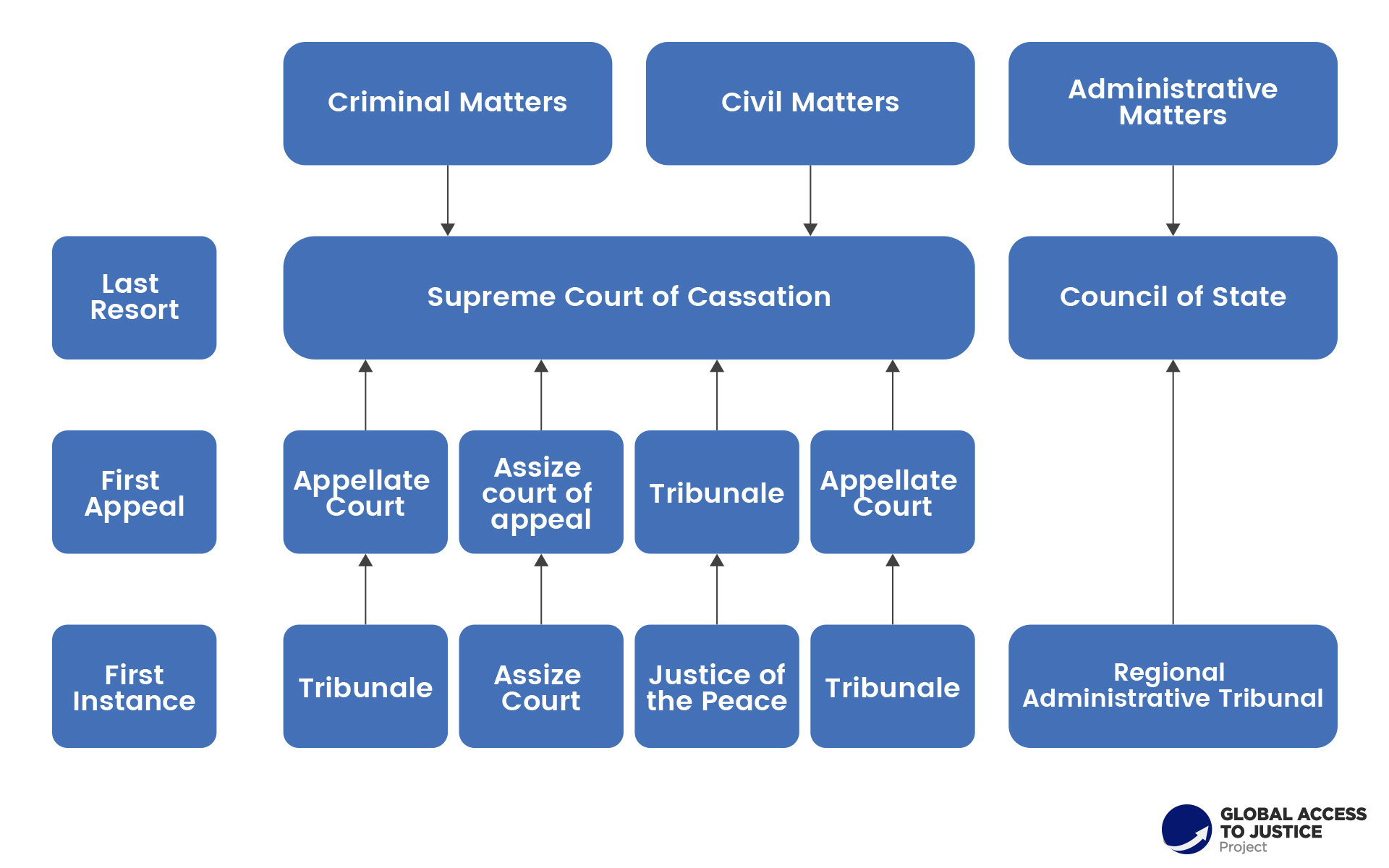
- Appellate Layers: The right to three levels of judgment for almost all cases creates a perpetual backlog that the referenda did not address.
The 2022 referendum failure signals that the Italian public is unwilling to engage with the judiciary through the blunt instrument of the ballot box. Future attempts at reform must bypass the quorum by focusing on constitutional amendments within Parliament or by tying judicial efficiency directly to the release of EU Recovery Fund tranches—the "NextGenerationEU" conditionalities.
The strategic play for the current administration is to abandon the referendum model for technical reforms and instead utilize the "delegated law" (delega legislativa) mechanism. This allows the executive to draft detailed technical regulations within a framework set by Parliament, avoiding the public apathy that neutralized the 2022 effort. The focus should shift from the "high politics" of the CSM to the "low politics" of procedural streamlining, where the gains are measurable in days removed from the trial clock rather than ideological victories over the magistracy.