The narrative being sold to the public is convenient, clean, and largely false. It suggests that a sudden, unpredictable geopolitical explosion—the recent conflict involving Iran—is the primary engine driving the current spike in global prices. By blaming the war, central bankers and politicians shift the focus from their own policy failures to the volatile theater of the Middle East. However, a forensic look at the economic data reveals a much more uncomfortable reality. The Federal Reserve’s battle against inflation was being lost months before the first drone was launched. The structural rot of devalued currency and overheated demand was already firmly entrenched.
War certainly complicates the picture, but it didn't create the problem. It merely acted as a high-octane accelerant on a fire the Fed had been failing to extinguish for years. To understand the current economic predicament, one must look past the headlines of regional instability and focus on the cold, hard mechanics of monetary policy that were grinding toward a crisis long before the regional tensions boiled over.
The Myth of the Supply Shock Alibi
For the better part of two years, the official line from the Eccles Building was that inflation was "transitory." When that claim crumbled under the weight of reality, the excuse shifted to supply chain disruptions. When those cleared, the focus moved to labor shortages. Now, the conflict with Iran provides a fresh, geopolitical shield. But inflation is, at its core, a monetary phenomenon. It is the result of too much money chasing too few goods, and the Federal Reserve is the sole entity responsible for the supply of that money.
During the lead-up to the current crisis, the M2 money supply—a broad measure of money in the economy including cash and checking deposits—expanded at rates never seen in the post-WWII era. Between 2020 and late 2022, the Fed injected trillions into the system. They kept interest rates at near-zero levels even as the economy showed clear signs of overheating. By the time they started hiking rates, the "inflationary genie" was not just out of the bottle; it had already bought a house and settled in.
The war in the Middle East has undoubtedly impacted oil prices, adding a layer of "cost-push" inflation to the mix. Yet, the "demand-pull" inflation—the kind driven by years of easy money and fiscal stimulus—was already pushing the Consumer Price Index (CPI) well above the 2% target. If the Fed had successfully anchored inflation expectations and tightened the money supply earlier, the economy would have had the resilience to absorb an energy price shock. Instead, the shock hit an economy already reeling from a devalued dollar.
The Liquidity Trap of the Fed’s Own Making
The central bank finds itself in a classic pincer movement. On one side, they must raise rates to combat the sticky inflation they allowed to take root. On the other, the massive debt burden of the United States makes those high rates increasingly dangerous for the banking system and the federal budget.
Long before the Iran conflict escalated, the "higher for longer" mantra was already causing tremors in the regional banking sector. We saw the first cracks with the collapse of Silicon Valley Bank and Signature Bank. Those weren't isolated incidents caused by bad management alone; they were the first casualties of a rapid transition away from a decade of free money. The Fed knew that any further tightening risked a systemic financial meltdown, which is why they hesitated throughout the previous year, allowing inflation to simmer.
The conflict in the Middle East provided a momentary distraction, but the underlying math hasn't changed.
- National Debt Interest: The cost of servicing the U.S. national debt is now rivaling the defense budget. Every quarter-point hike by the Fed adds billions to the deficit.
- Commercial Real Estate: Trillions in loans are set to reset at much higher rates over the next 24 months.
- Consumer Exhaustion: Credit card balances have hit record highs as households use debt to bridge the gap between stagnant wages and rising costs for essentials.
These are not "war problems." These are the consequences of a central bank that waited too long to pull the punch bowl and then tried to smash the bottle when the party turned into a riot.
Why the Energy Excuse Fails the Stress Test
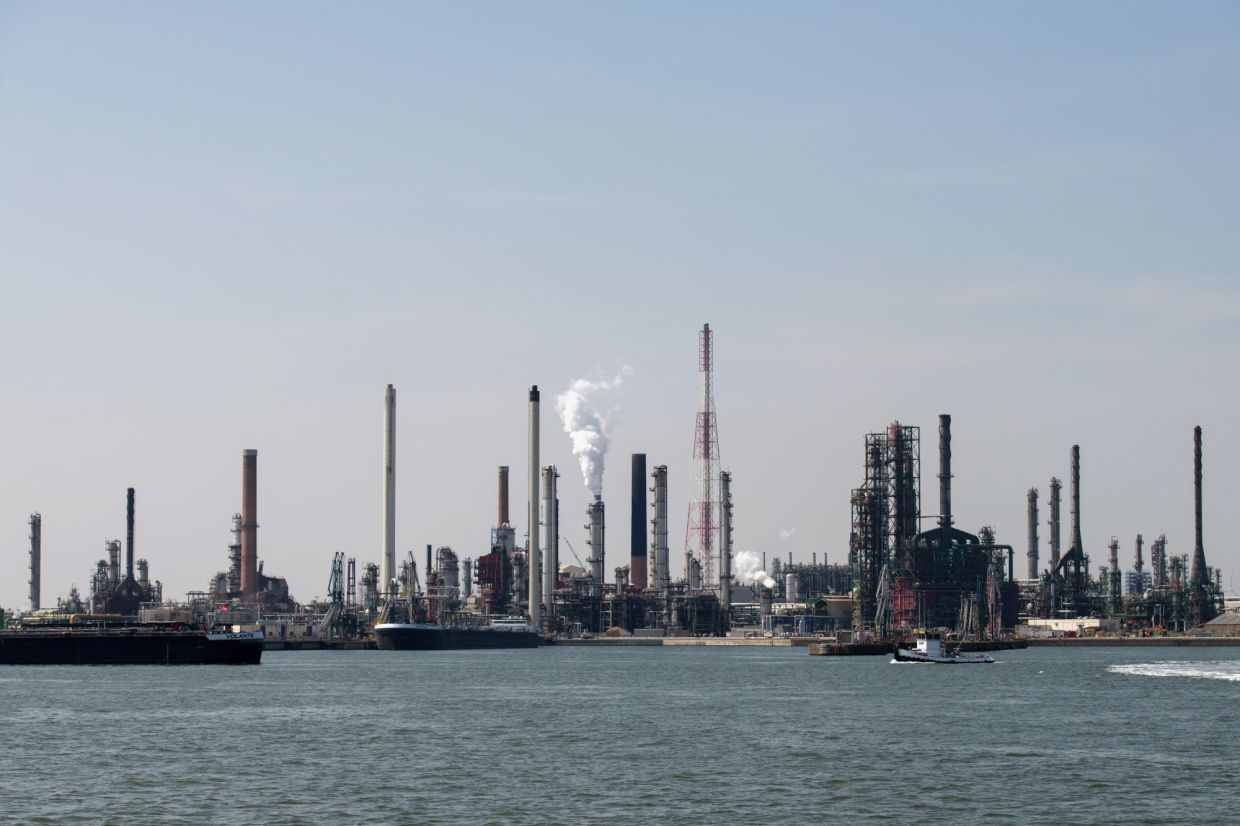
Critics of this view point to the immediate spike in Brent Crude following the escalation of hostilities. It is an easy correlation to draw. Oil goes up, gas goes up, everything gets more expensive. However, this ignores the fact that the U.S. is currently the world’s largest producer of crude oil. The inflationary pressure we feel at the pump is as much about the weakness of the dollar’s purchasing power as it is about the price of a barrel.
If inflation were truly just an energy story, we would see "core inflation"—which excludes food and energy—dropping back to target. It isn't. Services inflation, driven by wages and rents, remains stubbornly high. This is the "sticky" inflation that haunts central bankers. It is the result of people expecting prices to rise and demanding higher pay, which in turn forces businesses to raise prices again. This cycle was well underway in the quarters preceding the war.
The Fiscal Dominance Factor
There is a concept in economics known as "Fiscal Dominance." It occurs when the central bank loses its independence because it is forced to keep interest rates low to prevent the government from going bankrupt. We are rapidly approaching this territory. The massive deficit spending of the last few years has forced the Fed to remain more accommodative than it should be.
The government spent as if the era of zero-percent interest rates would last forever. It didn't. Now, the Treasury is issuing massive amounts of new debt just to pay the interest on the old debt. This flood of bonds puts upward pressure on yields, which the Fed eventually has to "manage" by slowing down its quantitative tightening or, eventually, returning to the printing press. This is the true driver of long-term inflation. The war is a footnote in a story about a government that cannot stop spending and a central bank that cannot stop enabling it.
The Geopolitical Scapegoat
Politically, the war is a godsend for the current administration and the Fed. It allows for a narrative of "Putinesque" or "Middle Eastern" price hikes. It creates a "rally 'round the flag" effect that mutes criticism of domestic policy. If the Fed fails to reach its 2% target this year, they won't blame the $7 trillion they added to their balance sheet since 2008. They will blame the Strait of Hormuz.
Investors who buy into this narrative are making a dangerous mistake. By focusing on the "shock," they miss the "trend." The trend is a secular shift toward higher inflation driven by deglobalization, a shrinking labor force, and the end of the "peace dividend." The war merely accelerated the timeline.
Consider the behavior of gold and Bitcoin in the months leading up to the conflict. Both assets began a steady climb well before the geopolitical temperature reached a boiling point. Hard assets were signaling a lack of confidence in the dollar's long-term value. Smart money wasn't hedging against a war; it was hedging against the inevitability of further currency debasement.
The Transmission Mechanism is Broken
The Fed’s primary tool—the federal funds rate—is a blunt instrument. It is supposed to work by making borrowing more expensive, thereby slowing down the economy. But this mechanism is failing in a unique way.
Large corporations locked in long-term debt at 2% or 3% years ago. They aren't feeling the pinch yet. Meanwhile, the average consumer is facing 20% interest on credit cards and 7% on mortgages. This creates a bifurcated economy where the wealthy and well-capitalized remain insulated, while the middle and lower classes are crushed. This internal pressure was building for eighteen months. The war simply added a layer of increased shipping costs and insurance premiums to an already fragile distribution network.
We must also look at the "Wealth Effect." Despite the Fed's tightening, the stock market remained remarkably resilient for most of last year. This is because the massive amount of liquidity injected during the pandemic never truly left the system. It just moved around. As long as asset prices remain inflated, the wealthiest consumers continue to spend, keeping demand—and prices—high.
The Strategy of Forced Ignorance
To maintain the illusion of control, the Fed has become increasingly reliant on "data dependency." This sounds responsible, but in practice, it means they are looking in the rearview mirror. They react to CPI data that is already weeks old, which reflects economic decisions made months ago.
By the time the Iran conflict began to dominate the news cycle, the "second wave" of inflation was already visible in the raw data of producer prices and manufacturing surveys. The Fed chose to emphasize the "cooling" in certain sectors while ignoring the heat in others. This selective vision allowed them to maintain a narrative of a "soft landing" that was never supported by the underlying monetary reality.
The reality of the situation is that the Fed is trapped. If they keep rates high to fight the inflation that they allowed to fester, they trigger a debt crisis and a deep recession. If they cut rates to save the banks and the Treasury, they reignite inflation and destroy the dollar. The war didn't create this trap; it just made it harder to pretend the trap doesn't exist.
The Invisible Tax on Stability
Inflation is often called the "invisible tax," and it is currently being levied at a rate that is hollowed out the American middle class. When the Fed failed to act decisively in 2021 and 2022, they effectively transferred wealth from savers and wage earners to debtors and asset owners. This social friction was already manifesting in strikes, rising crime rates, and political polarization.
The geopolitical instability we see today is, in many ways, a reflection of this global economic strain. When the world's reserve currency is managed poorly, it creates ripples of instability that eventually manifest as physical conflict. To blame the war for the inflation is to confuse the symptom with the disease. The disease is a decade of reckless monetary experimentation that assumed there would never be a price to pay.
The price is now being paid in the form of $4 gasoline, $10 eggs, and a global order that is rapidly fracturing. The Federal Reserve will continue to issue statements filled with jargon and "forward guidance," but the math is unforgiving. You cannot print wealth, and you cannot fix a broken currency by blaming a foreign power.
The path forward for the individual is not to wait for the Fed to "fix" inflation or for the war to end. Both are likely to be features of the landscape for the foreseeable future. Instead, the focus must shift toward capital preservation and an understanding that the era of low-inflation, low-interest stability is over. The Fed lost the war on inflation a long time ago; the world is just finally starting to notice the casualties.
The institutional credibility of the central bank depends on the public believing that external shocks are the problem. If people realized that the loss of their purchasing power was a direct result of policy choices made in Washington, the political consequences would be severe. Thus, the war narrative will be pushed with increasing desperation. But the receipts are clear: the monetary expansion happened first, the inflation followed, and the war was simply the match that hit the gasoline.
Stop looking at the missiles. Look at the balance sheet.