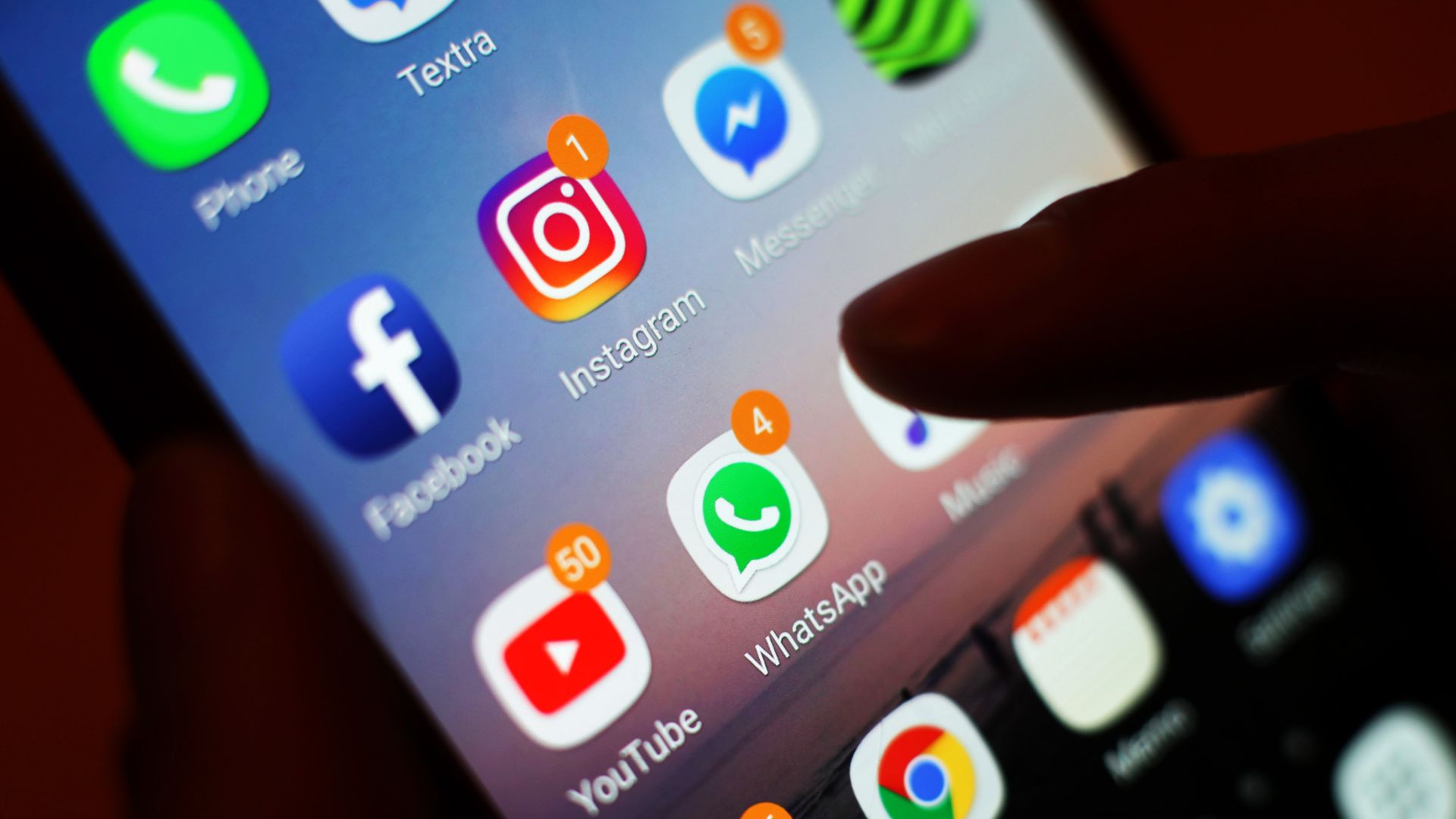
Thirteen-year-old Leo sits in the back of a sedan in suburban Sydney, his face bathed in the ghostly blue light of a smartphone. Outside, the world is vibrant—the sharp scent of eucalyptus, the raucous cry of a kookaburra, the tactile reality of a Tuesday afternoon. Leo isn’t there. He is deep inside a feed, a relentless stream of short-form videos curated by an algorithm that knows his insecurities better than his mother does. He is witnessing a dispute between influencers he has never met, interspersed with body-image ideals that make his own reflection feel like a disappointment.
This is the frontline of a quiet war. Australia, a nation defined by its rugged survivalism and protective instincts, has decided that the casualties in this digital theater are becoming too high.
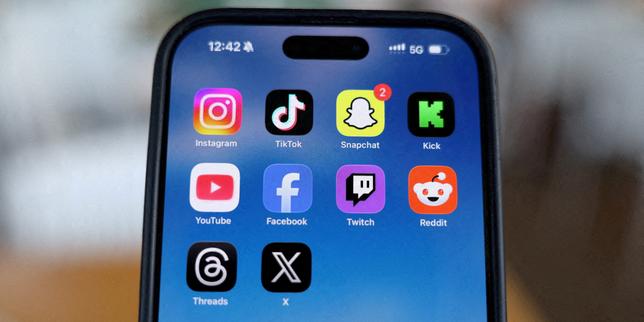
The Australian government is no longer asking nicely. They have launched a sweeping inquiry into the giants—TikTok, Instagram, YouTube, and X. The goal is a legislative line in the sand: a ban on social media for children under 16. It is a move that feels both radical and inevitable, a desperate attempt to reclaim a generation from an experiment they never signed up for.
The Architecture of the Infinite Scroll
To understand why a government would take the unprecedented step of locking the digital gates, you have to look at the machinery. We aren't talking about simple websites. These are high-frequency psychological feedback loops.
Imagine a casino. Now, imagine that casino is portable, fits in a pocket, and is handed to a child whose prefrontal cortex—the part of the brain responsible for impulse control and long-term consequences—is still years away from being fully formed. The "like" button isn't a social tool; it's a dopamine trigger. The infinite scroll isn't a convenience; it's a design choice intended to bypass the human brain’s natural "stop" signals.
The inquiry focuses on the "duty of care." In the physical world, if a toy manufacturer sold a product that caused a spike in anxiety, sleep deprivation, and self-harm among teenagers, the shelves would be cleared by nightfall. Yet, in the digital "landscape"—that word we use to distance ourselves from reality—the rules have been different. Australia is signaling that the era of digital exceptionalism is over.
The Cost of the Invisible Audience
Consider Sarah, a hypothetical but statistically accurate fifteen-year-old in Melbourne. She doesn't just eat lunch; she curates it. She doesn't just hang out with friends; she documents the hanging out for an invisible audience of hundreds. The pressure to perform is constant. When the Australian Senate’s Select Committee on Social Media and Australian Society began gathering evidence, they weren't just looking at data points. They were looking at stories like Sarah’s.
The data is sobering. Rates of psychological distress among Australian youth have climbed alongside the adoption of smartphones. While the tech companies argue that their platforms provide "connection" and "community," the committee is asking a harder question: At what price?
Connection is not the same as intimacy. A thousand followers do not equal one friend who will sit with you in silence. The inquiry is digging into how these platforms use personal data to keep children tethered to their screens, often exposing them to harmful content through the very algorithms designed to keep them "engaged."
The Age of Verification
The biggest hurdle isn't the law itself; it's the enforcement. How do you verify the age of a teenager who is inherently tech-savvy enough to bypass a simple "I am over 18" checkbox?
The Australian government is exploring age-assurance technologies that feel like something out of a sci-fi novel. Biometric scanning, third-party identity verification, and even AI-driven gait analysis have been discussed. It sounds invasive because it is. This is the paradox of the modern age: to protect the innocence of children, we might have to sacrifice the anonymity of the internet.
Critics argue that a ban will simply drive the behavior underground. They suggest that instead of a wall, we need a map—better digital literacy and education. But proponents of the ban, including Prime Minister Anthony Albanese, argue that education is not enough when you are fighting an algorithm built by some of the smartest engineers on the planet. You don't teach a child to outsmart a slot machine; you keep them out of the casino.
The Global Ripple
Australia has a history of being the "canary in the coal mine" for tech regulation. From forcing Google and Meta to pay for news content to strict online safety laws, the country often acts as a laboratory for the rest of the world. If this ban succeeds, or even if the inquiry merely exposes the inner workings of these companies, the ripple effect will be global.
France is watching. The UK is watching. Parents in Ohio and Berlin and Tokyo are watching.
The tech giants are, unsurprisingly, pushing back. They point to the positive aspects: the LGBTQ+ teen in a rural town who finds support online, the young artist who finds a global audience, the educational content that democratizes information. These are valid points. They are the "hooks" that make the platforms so indispensable. But the inquiry is weighing those benefits against a darker reality of cyberbullying, predatory behavior, and a mental health crisis that is straining the nation’s healthcare system.
The Human Core of the Inquiry
Beyond the legal jargon and the technical specifications of age verification lies a very simple, very human question: What kind of childhood do we want for our children?
Do we want a childhood defined by the number of views on a 15-second clip, or one defined by the dirt under fingernails and the messy, unedited reality of face-to-face conversation? The Australian inquiry is a collective pause. It is a moment of national reflection. It is an admission that we might have moved too fast and broken things that are far more precious than software.
The stakes are not just about privacy or data. They are about the ownership of attention. If a child’s attention is owned by a corporation before they are old enough to drive a car, what does that do to their ability to think, to focus, and to dream?
The Resistance of the Silicon Giants
The platforms under fire—YouTube, TikTok, Instagram—are not passive observers. They are active participants in this inquiry, armed with lobbyists and PR firms. Their defense is often built on the idea of "parental control." They argue that the tools already exist for parents to manage their children's time.
But ask any parent who works two jobs and is trying to navigate the convoluted settings of four different apps while their child is in the other room. The power imbalance is staggering. It is David versus a Goliath made of code and billions of dollars. Australia is trying to hand David a better sling.
The inquiry will examine how these platforms influence social cohesion. It will look at the spread of misinformation and how radicalization can happen in the dark corners of a "suggested for you" tab. It is a holistic look at the digital ecosystem, treating social media not as a series of isolated apps, but as a dominant environment—a new kind of atmosphere that we are all breathing, whether we like it or not.
A Ghost in the Machine
There is a specific kind of loneliness that comes from being surrounded by a digital crowd. You see it in the way teenagers gather now—sitting together on a park bench, yet each isolated in their own private digital world. This "alone together" phenomenon is at the heart of the government’s concern.
By targeting the age of 16, Australia is attempting to protect the most vulnerable years of identity formation. It is the age where the "self" is being constructed. If that construction happens entirely within the feedback loops of a profit-driven platform, the resulting architecture of the soul is fragile. It is built on the approval of strangers rather than the grounding of reality.
The inquiry is a search for a return to the tangible. It is about the right to be bored, the right to be private, and the right to grow up without being a product.
As the sun sets over the Sydney Opera House, thousands of phones will rise to capture the same orange hue. Most of those photos will never be looked at again. They are trophies for an algorithm, sacrifices to a god that is never satisfied. Leo, in the back of that sedan, finally puts his phone down because the battery has died. He looks out the window. He sees the real sunset. For a moment, the ghost in the machine is gone, and he is just a boy in a car, heading home. Australia wants to make sure he stays that way for a little while longer.
The outcome of this inquiry will not just be a report. It will be a manifesto for the future of the human experience in a digital age. It is a reminder that just because we can build a world of total connectivity doesn't mean we should live in it—and we certainly shouldn't let our children be the first ones to get lost in its depths.
The silence that follows a turned-off screen is where life actually happens. Australia is simply trying to give its children the chance to hear it.