Imagine checking your bank account and seeing a debt you didn't create. That's the reality for thousands of bankers in China right now. The golden era of high-flying finance is officially over. For years, the industry was the place to be if you wanted to get rich quick. Now, it's becoming a lesson in extreme financial discipline and political alignment.
The latest annual reports from China's biggest lenders aren't just about profits and losses anymore. They're a tally of how much money the banks are taking back from their own employees. We're not talking about a few bad apples losing their commissions. We're talking about a systemic shift that's shaking the entire sector. If you think your salary is safe once it hits your account, the "Common Prosperity" agenda has a surprise for you.
The Clawback Craze is Only Getting Started
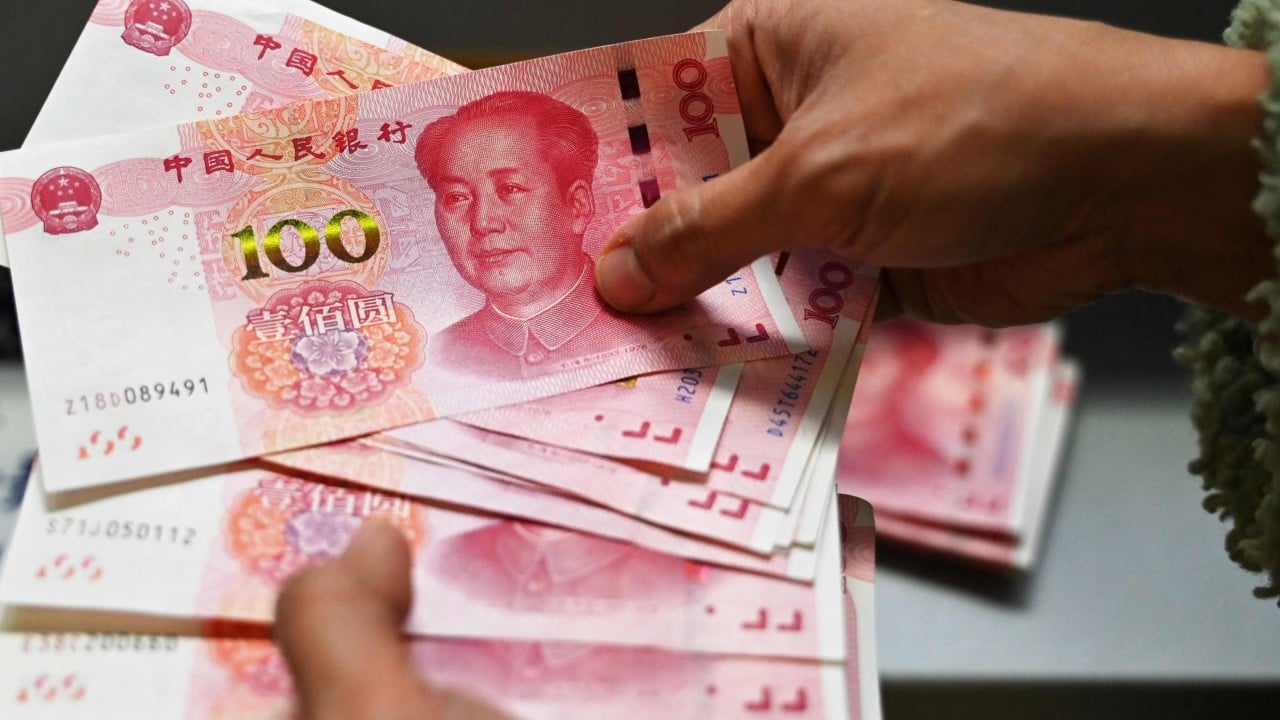
Bank of China just dropped a bombshell in its latest reporting cycle. In 2025, it clawed back roughly 47.18 million yuan ($6.5 million) in performance-based pay from 4,630 employees. Let that sink in for a second. That's nearly double the number of people who had to return money the previous year. It's not an isolated incident either. China Bohai Bank recovered about 19.58 million yuan from over 800 staff members.
Why is this happening? It's basically a mix of "Common Prosperity" and a desperate need to manage risk. The government has been very vocal about cracking down on what they call "hedonism" in the financial sector. They want bankers to stop acting like they're on Wall Street and start acting like public servants.
- Risk Mitigation: If a loan you approved three years ago goes south today, the bank wants its bonus back.
- Political Pressure: Beijing is pushing for a more equitable distribution of wealth. High salaries in finance are an easy target.
- Austerity: Banks are facing shrinking interest margins and a sluggish economy. Cutting pay is the quickest way to protect the bottom line.
Salaries Are Hitting a Hard Ceiling
It's not just about losing past bonuses. Future earnings are being capped too. Reports are circulating that state-owned banks are imposing a hard salary limit of around 3 million yuan ($412,000). For a senior executive in a global financial hub, that's almost a pay cut to the bone.
Even more aggressive is the retroactive nature of these rules. Some firms are asking employees to return pay from previous years to meet these new caps. It’s a move that would be legally impossible in many other countries, but in China, the state's goals come first. You're seeing a massive 30% reduction in bonus pools across the board at state-backed institutions.
This isn't just about the money. It's about culture. The message is clear: the days of "work hard, play hard, and get paid millions" are dead. If you're in it for the prestige and the luxury lifestyle, you're in the wrong industry.
The Impact on Global Talent
What does this mean for Hong Kong? For a long time, the city was the bridge between Chinese capital and global markets. But now, even Hong Kong-based employees of mainland firms like China Everbright are being told to cough up their bonuses.
This is creating a huge talent drain. If you're a top-tier analyst or a risk manager, why would you stay at a firm that can take back your paycheck years after you've earned it? We're seeing a shift where talent is looking toward private firms or even moving out of the region entirely.
However, private firms aren't exactly a safe haven. The regulatory eye is everywhere. While private banks might have more flexibility, they're still operating under the shadow of the same "Common Prosperity" guidelines. No one wants to be the tallest poppy when the shears are out.
How to Protect Your Career in This Climate
If you're working in the Chinese financial sector or planning to, you need a different playbook. You can't just chase the highest bidder anymore.
- Read the Fine Print: Pay closer attention to the clawback clauses in your contract. They aren't just legal boilerplate anymore; they're active threats.
- Focus on Compliance: In the current environment, being a high-earner with a "loose" approach to risk is a recipe for disaster. Your bonus is only yours if the assets stay healthy for the long haul.
- Diversify Your Skills: If the banking sector is becoming a low-margin, high-pressure utility, maybe it's time to look at tech or other industries that haven't been hit as hard by salary caps.
The reality is that Chinese banking is being redefined. It's moving from a profit-at-all-costs model to a service-oriented one. Whether that’s good for the economy long-term is still up for debate. But for the people on the ground, the immediate reality is simple: don't spend that bonus yet. You might have to give it back.
Stop waiting for things to go back to "normal." This is the new normal. Adjust your lifestyle and your career expectations accordingly. The era of the "Golden Rice Bowl" isn't gone, but the rice is looking a lot thinner these days.