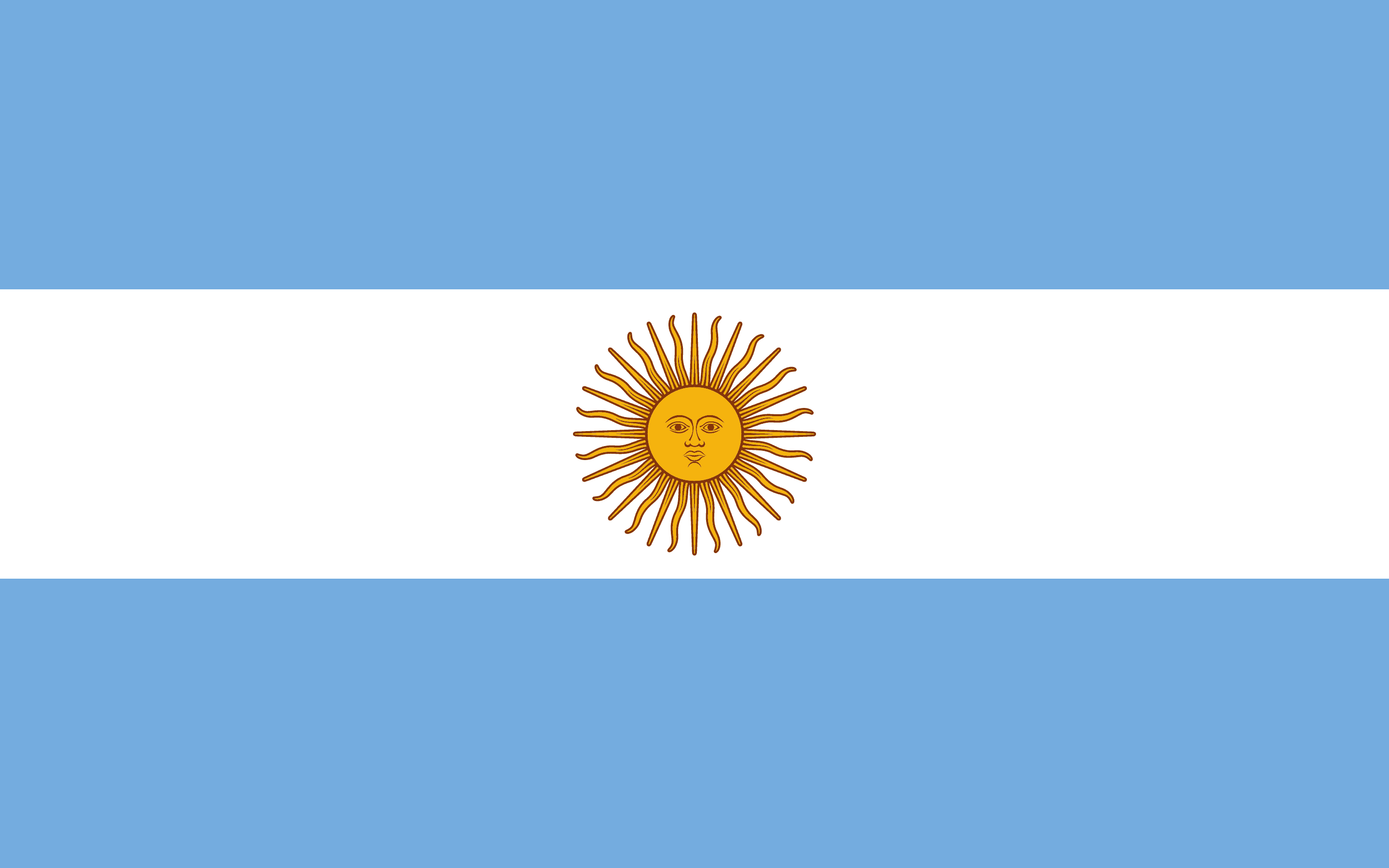
Stop pretending that keeping foreigners off Argentine soil is a patriotic act. It is a suicide pact. For decades, the political class in Buenos Aires has wrapped itself in the flag to defend the Law of Rural Lands, a protectionist relic that treats every hectare of pampa as a strategic military asset rather than what it actually is: underutilized capital.
The standard narrative from the "competitor" pundits is predictable. They argue that loosening ownership rules for foreign entities will lead to a "sell-off of the motherland" or threaten water security. This is lazy thinking. It ignores the reality of how global capital flows and how modern agriculture actually scales. If you want to see what real sovereignty looks like, look at a balance sheet, not a border fence.
The Myth of the Land Grab
The biggest lie in the Argentine land debate is the idea that foreigners are "stealing" the country. Under the current restrictive regime, foreign ownership is capped at 15% nationally and even tighter at provincial levels. Protectionists point to this as a victory. I call it a tragedy of missed opportunities.
When you block foreign investment in rural land, you aren't saving the land for "the people." You are handing a local monopoly to a handful of entrenched Argentine families and conglomerates who don't have to compete for the asset. This suppresses land values. It keeps the barrier to entry for modernizing infrastructure—like advanced irrigation or AI-driven soil management—prohibitively high.
Imagine a scenario where a Dutch water-management firm or a Saudi agricultural fund wants to dump $500 million into the arid regions of Cuyo or the Chaco. Under the current rules, they are treated like invaders. They walk away. The land stays dry. The local population stays poor. That isn't sovereignty; it's a graveyard.
Why Liquidity Trumps Location
The "lazy consensus" argues that land is a finite resource that must be guarded. Modern economics suggests otherwise. Land is a platform for productivity. In the 21st century, the value of land is $V = P / r$, where $P$ is the productivity and $r$ is the discount rate. By restricting the pool of buyers, Argentina artificially inflates the discount rate and hammers the productivity potential.
I have seen dozens of deals die in the hallways of the Registry of Rural Lands because a buyer had a "foreign" shareholder holding a 20% stake. The result? The seller, usually a struggling local producer, has to sell at a 30% discount to a local buyer who has no intention of investing in the soil.
The competitor's article focuses on the "risk" of foreign control. Let's talk about the real risk: the risk of obsolescence. Brazil and Uruguay have significantly more flexible approaches to land capital, and their agricultural yields reflect that. They aren't "less sovereign." They are just richer.
Dismantling the Water Security Scare
Every time someone mentions foreign land ownership in South America, the "Guaraní Aquifer" gets brought up as a hostage. The argument is that foreigners will buy the land to "drain the water" and ship it away.
This is scientifically illiterate. You don't ship bulk water across the Atlantic in tankers; the logistics make it more expensive than gold. You "export" water through grain and beef. If a foreign company grows soy in Santa Fe, they are using Argentine water to create Argentine exports that pay Argentine taxes. Whether the owner has a passport from London or La Plata doesn't change the chemical composition of the H2O or the fact that the crop stays in the ground until harvest.
The real threat to water security isn't a foreign owner; it's a lack of investment in modern drip irrigation and drainage. And guess who has the capital to build that? The very people the law currently bans.
The "Family Farm" Delusion
Politicians love to say these laws protect the "small family farmer." This is a cynical manipulation of sentiment. Small farmers in Argentina aren't being squeezed out by foreigners; they are being crushed by 100% plus inflation, insane export taxes (retenciones), and a lack of credit.
A small farmer with 200 hectares cannot get a loan from a local bank because the bank's balance sheet is stuffed with failing government bonds. If that farmer could sell their land at a global market price—rather than a depressed local price—they would have the liquidity to retire or reinvest in a more efficient business. The Law of Rural Lands effectively traps them in a low-value asset. It’s a cage, not a shield.
The Professional Insider’s Take: The "Hidden" Arbitrage
Here is the truth nobody admits in the boardroom: The current restrictions create a massive arbitrage opportunity for the well-connected. If you are a high-net-worth individual in Buenos Aires, you love these laws. They keep your competition out. You can snap up distressed properties from neighbors who can't find a buyer, knowing that eventually, the laws will have to change.
When the rules finally loosen, your land value doubles overnight. The current law is essentially a massive wealth transfer from the rural poor to the urban elite who know how to navigate the bureaucracy.
Stop Asking the Wrong Question
The media keeps asking: "How much of Argentina should foreigners own?"
The correct question is: "How much investment does Argentine soil need to feed the world and stabilize the currency?"
If the answer is $50 billion over ten years, it doesn't matter where the check comes from. A dollar invested by a pension fund in Norway builds the same silo as a dollar from a grain dealer in Rosario. The difference is the Norwegian fund actually has the dollar.
The Brutal Reality of Capital Flight
Argentina has spent a century proving that it can't be trusted with its own currency. Capital flight is the national sport. By restricting foreign ownership of land—the one thing that literally cannot be moved to a bank account in Switzerland—the government is blocking the most stable form of Foreign Direct Investment (FDI) possible.
You can't move 10,000 hectares of topsoil to the Cayman Islands. It stays in the province. It employs local truckers. It buys local seed. It pays local property taxes. It is the ultimate "sticky" investment. Blocking it while the country starves for hard currency is a level of economic malpractice that borders on the criminal.
What "Success" Actually Looks Like
Look at the forestry sector. It requires long-term horizons—20 years or more. Local capital in Argentina doesn't think in 20-year cycles; it thinks in 20-minute cycles based on the latest exchange rate. Foreign institutional investors, however, love long-term timber plays. By restricting them, Argentina has ceded the regional forestry market to Chile and Uruguay.
We are literally watching trees grow in other countries because we are too afraid of a "foreign" name on a deed.
The Actionable Pivot
If Argentina wants to survive, it needs to do more than just "loosen" these rules. It needs to scrap them entirely and replace them with a simple, transparent registry.
- Eliminate the 15% cap. It is an arbitrary number based on nothing.
- Standardize provincial limits. The current patchwork of rules is a playground for corrupt officials.
- Focus on Land Use, not Land Ownership. If you are worried about the environment, pass environmental laws. Don't use ownership as a proxy for regulation.
The pushback will be loud. It will be wrapped in the rhetoric of "national identity." But remember: there is nothing "national" about a fallow field and a hungry population. Sovereignty is the ability to feed your people and dictate your economic destiny. You can't do that with a closed gate and an empty wallet.
Open the gates. Let the capital in. The land isn't going anywhere.