The headlines are screaming about a "breakthrough." The algorithms have already priced in a decade of harmony. Markets are up, crude is down, and the consensus is that a single diplomatic memo from Washington has magically de-risked the most volatile chokepoint on the planet.
It’s a fantasy.
If you bought the rally because of a "peace plan," you didn’t buy an asset; you bought a press release. The sudden dip in oil prices and the corresponding surge in equities reflect a fundamental misunderstanding of how geopolitical leverage actually works. We are witnessing a classic "buy the rumor, sell the reality" setup, but with a lethal twist: the reality isn't peace. It’s a temporary tactical pause that is coiled like a spring.
The Myth of the Diplomatic Discount
The current market logic is embarrassingly thin. It suggests that because a proposal exists, the underlying structural tensions in the Strait of Hormuz have evaporated. This is the "lazy consensus" of the 24-hour news cycle. Professional traders—the ones who actually survive more than two cycles—know that peace plans in the Middle East are often used as logistical breathing room, not a final resolution.
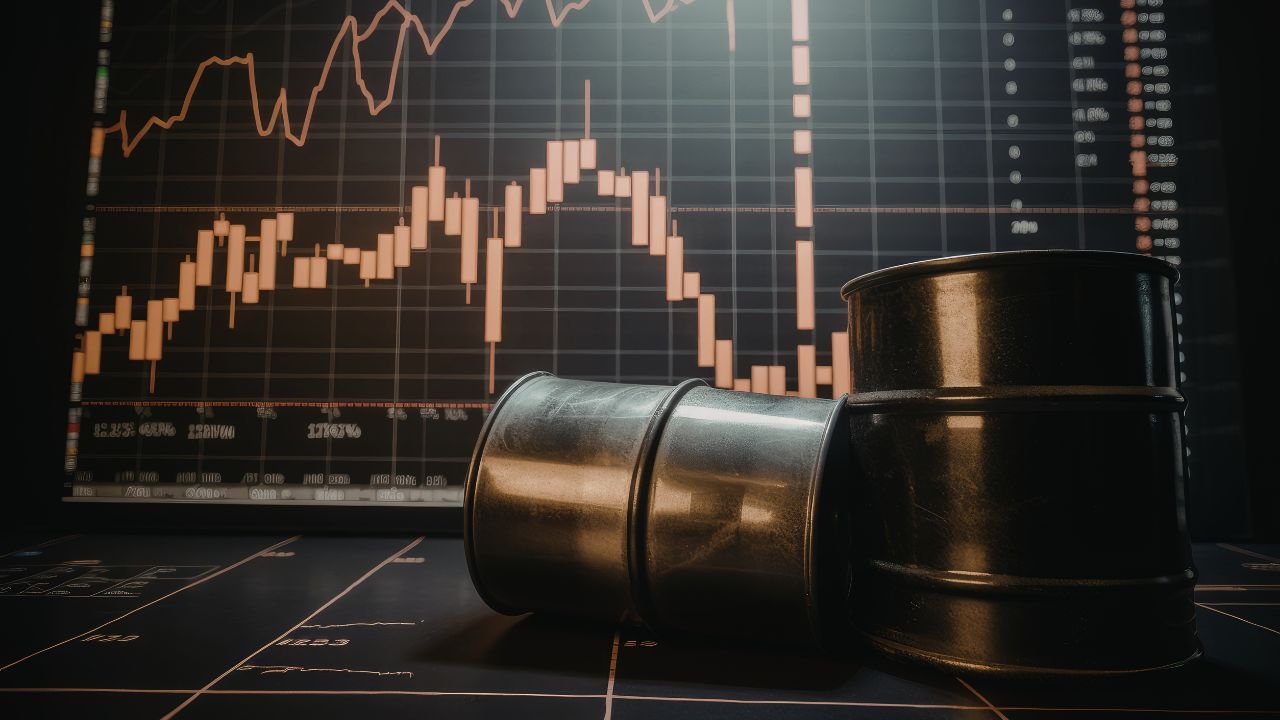
When the U.S. sends a proposal, the market treats it as a finished product. In reality, it is a starting gun for a new round of shadow boxing. Crude prices fell because speculators exited their long positions, fearing they’d miss a "peace rally." But look at the physical spreads. Look at the tanker insurance premiums. They aren't dropping nearly as fast as the front-month futures. That discrepancy is where the truth lives.
Why Low Oil Prices are a Contrarian Warning Signal
Most analysts will tell you that lower energy costs are a "tailwind" for the S&P 500. They’ll point to consumer spending and reduced input costs for manufacturers. They are looking at the spreadsheet and ignoring the bayonet.
When oil prices drop on purely speculative diplomatic news, it creates a "false floor." It disincentivizes domestic production increases and halts the urgency of strategic reserve management. We are effectively draining our psychological "risk premium" while the physical risks remain identical to last week.
I’ve watched desks lose hundreds of millions by betting on the "normalization" of Iranian relations. It doesn't happen. The Iranian economy is structured around resistance, not integration. To believe that a U.S.-led peace plan will lead to a flood of Iranian barrels hitting the market—thereby keeping prices low—is to ignore thirty years of history. Any "peace" that involves Iran will be priced in concessions that the U.S. Congress will never actually ratify. The "peace" is a ghost.
The Algorithmic Trap
We now live in a world where Natural Language Processing (NLP) bots trade the news faster than humans can read it. When a headline contains the words "U.S.," "Iran," and "Peace," the bots sell oil and buy tech.
This creates a feedback loop. The price drops, which triggers more sell orders, which reinforces the narrative that the peace plan is "working." But the bots don't understand nuance. They don't understand that a peace plan without a signed treaty, verified enrichment halts, and a cessation of proxy funding is just a piece of paper.
You are currently trading against a machine that thinks "peace" is a binary state. It isn't. It's a spectrum, and we are currently on the "delusional" end of it.
The Volatility Coiling Effect
Think of the oil market as a pressure cooker. The "peace plan" news acted as a temporary release valve. But the heat—the fundamental supply-demand imbalance and the regional religious-political divide—is still at maximum.
When the market realizes the plan is stalled in committee or rejected by hardliners in Tehran, the "snap-back" won't be a gentle rise. It will be a vertical line. By selling off now, the market is creating a vacuum. When the narrative flips, there will be no sellers left at these prices, only a desperate scramble for cover.
The Misunderstood Role of the Strategic Petroleum Reserve
The "peace plan" gives the current administration a convenient excuse to stop worrying about the SPR. If the market is calm, there’s no pressure to refill. This is a massive strategic error. By celebrating a price drop based on a "plan" rather than a "result," we are leaving ourselves exposed to the next inevitable supply shock.
If you are a fund manager, you should be using this "peace" rally to hedge your downside, not to chase the upward momentum of overvalued tech stocks. The risk-reward profile of being long oil at $70 is infinitely better than being long the Nasdaq at an all-time high fueled by a diplomatic mirage.
The "People Also Ask" Reality Check
People are asking: "Will gas prices stay low?"
The honest, brutal answer: Only as long as it takes for the first diplomatic hiccup to hit the wires. You are enjoying a discount provided by the market's collective naivety.
People are asking: "Is it safe to invest in airline stocks now?"
No. You are buying at the peak of a sentiment cycle. Airlines are hypersensitive to fuel. If you buy based on a "peace plan" that hasn't been signed, you are gambling on the temperament of regimes that have spent decades proving their unpredictability.
The High Cost of Being "Right" Too Early
I’ll admit the downside of my stance: the market can stay irrational longer than you can stay solvent. This "peace" euphoria could last a month. It could last three. But the fundamentals of the energy market—the lack of CAPEX in new drilling, the instability of the Levant, and the fragility of global shipping lanes—haven't changed.
The "peace plan" is a sedative. It has put the market to sleep. And as any seasoned trader knows, the most profitable moves happen right when the crowd is most comfortably tucked in.
Stop looking at the green numbers on your screen and start looking at the map. The map hasn't changed. The borders haven't moved. The centrifuges haven't stopped spinning.
Take the profit from the "peace" rally and buy the volatility. Because when this mirage evaporates—and it will—the "peace plan" headlines will be replaced by "Emergency Sessions," and you’ll be the only one who isn't surprised.
Sell the peace. Buy the inevitable.