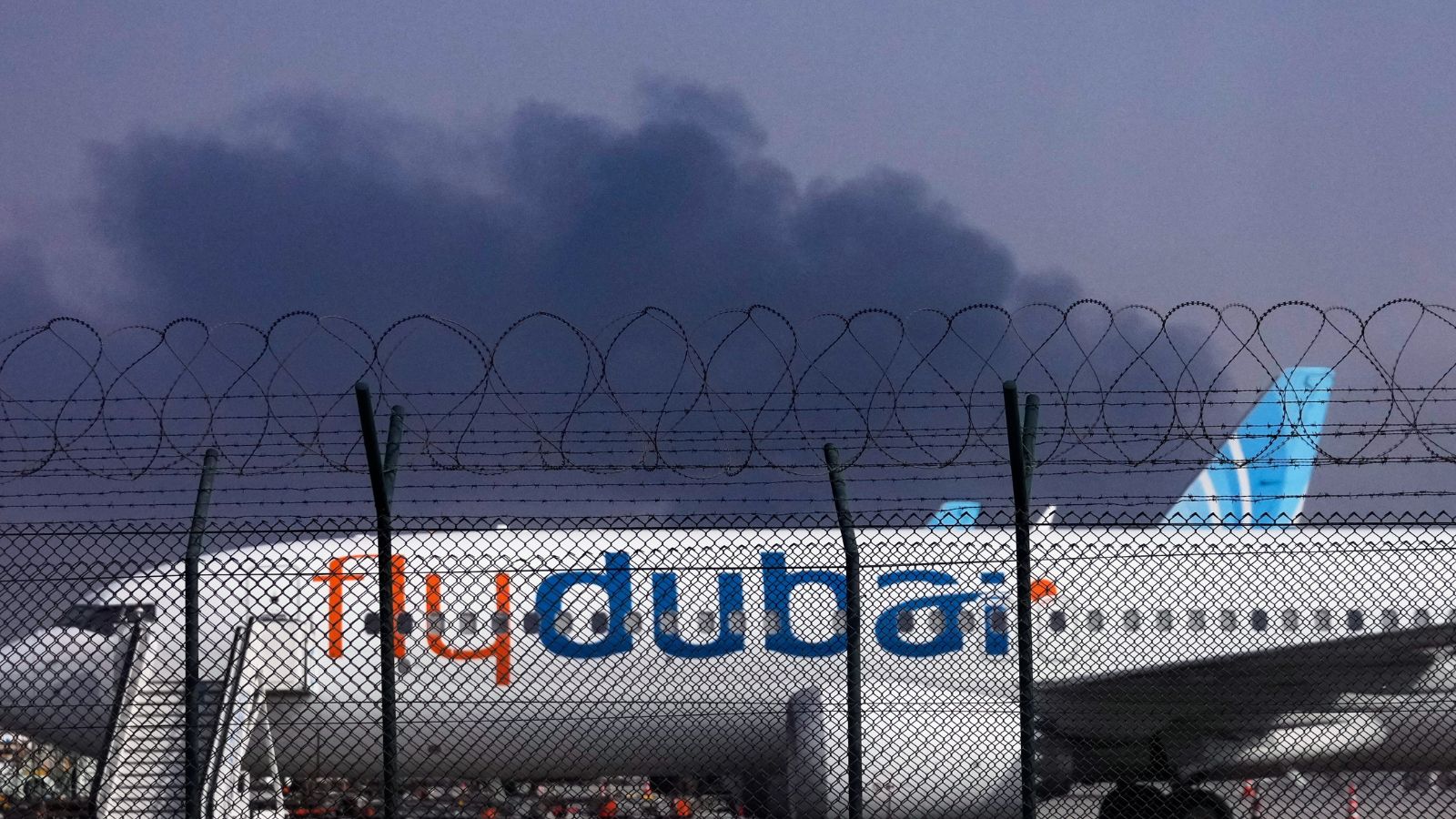
Air India is adding 34 flights to West Asia. Etihad is playing it safe with a "limited" plan to Abu Dhabi. The business press looks at these numbers and sees a recovery, a strategic expansion, or perhaps a tactical win for the national carrier.
They are wrong.
What the headlines describe as "growth" is actually a frantic attempt to patch a sinking hull with duct tape. While the industry cheers for increased frequency, they ignore the structural decay of the point-to-point model in a region designed for hub-and-spoke dominance. If you think more planes in the sky equals a healthier balance sheet, you haven't been paying attention to the yields.
The Frequency Fallacy
The "lazy consensus" in aviation reporting suggests that more flights automatically translate to market share. It’s a vanity metric. Air India’s surge into West Asia isn't a sign of strength; it’s a desperate move to capture low-yield labor traffic because they are currently incapable of competing on the high-margin corporate routes that Etihad and Emirates own.
When a carrier like Etihad "sticks to a limited plan," they aren't losing. They are optimizing. They understand something Indian carriers refuse to acknowledge: Capacity without connectivity is a slow death. Etihad’s "limited" flights are surgical. They are timed to feed a global network through Abu Dhabi. Every seat sold on an Etihad flight from India is potentially a segment of a larger, high-value journey to London, New York, or Paris. Meanwhile, Air India’s 34 flights are largely dumping passengers into point-to-point destinations where they have zero pricing power. You aren't "operating" a route if you're just a bus service for the lowest bidder.
The Bilateral Trap Nobody Wants to Discuss
The industry loves to moan about bilateral rights. The argument usually goes: "If we just restrict the Gulf carriers, our domestic airlines will flourish."
This is protectionist fantasy.
Restricting Etihad or Qatar Airways doesn't magically make Air India a better airline. It just punishes the Indian traveler and stifles competition. The real "West Asia" problem isn't that foreign carriers have too much access; it’s that Indian carriers have failed to build a single credible hub.
Look at the data. A hub like Dubai or Abu Dhabi functions because of $E = mc^2$ level efficiency in ground handling and transit times. Delhi and Mumbai, despite the shiny new terminals, are still logistical nightmares for transit. When Air India adds 34 flights, they are adding 34 more opportunities for their ground operations to fail. They are scaling chaos.
I have watched airlines pour billions into "expanding" their footprint while their Revenue Per Available Seat Kilometer (RASK) continues to crater. You cannot outrun bad unit economics by flying more hours.
Why "Limited" is the New "Aggressive"
Etihad’s restraint is the most aggressive move in the market right now. By keeping capacity tight, they maintain yield integrity. They aren't interested in the price wars at the bottom of the barrel. They are waiting for the inevitable: the moment the over-leveraged Indian expansion hits the wall of rising fuel costs and stagnating demand in the secondary Gulf markets.
- The Yield Gap: Middle Eastern carriers often report yields 20-30% higher on the same routes because they capture the premium transit passenger.
- The Operational Reality: Flying an A320 back and forth to Sharjah is a commodity business. Flying a 787 with a multi-class configuration into a global hub is a luxury business.
If you are an investor, you don't bet on the guy buying more buses. You bet on the guy who owns the terminal.
The Myth of the "Vande Bharat" Momentum
Much of the current expansion is being framed as a continuation of the momentum gained during repatriation phases. This is a dangerous misunderstanding of market dynamics. Repatriation was a captive market. Commercial aviation is a predatory one.
The "People Also Ask" sections of the web are currently filled with queries like "Which airline is best for UAE to India?" The answers usually focus on legroom or meal quality. They should be focused on Network Reliability. When Air India expands too fast, their "technical delays" skyrocket. I’ve seen this pattern in every "mega-expansion" over the last twenty years. The maintenance schedules get squeezed, the crew rotations become brittle, and the brand equity—which Air India is trying so hard to rebuild—gets incinerated when a "scheduled" flight becomes a twelve-hour ordeal in a hot terminal.
Stop Celebrating "More"
We need to stop treating flight counts like a scoreboard.
If Air India wants to actually disrupt the West Asia market, they shouldn't be adding 34 flights. They should be cutting 20 and making the remaining 14 so clockwork-precise and premium-heavy that Etihad actually feels the heat.
Instead, we get the same old story: quantity over quality. A rush to fill the sky with metal while the infrastructure on the ground and the strategy in the boardroom remain stuck in 1995.
The "limited" plan isn't a retreat. It’s a trap. And Indian aviation is flying straight into it with the engines at full throttle.
Stop looking at the flight schedules and start looking at the load factors and the RASK. Until Air India can prove they aren't just flying empty seats and discounted labor tickets, these 34 flights are just a very expensive way to move air across the Arabian Sea.