The headlines are screaming about a global food price apocalypse. Pundits are dusting off their 1970s stagflation scripts, pointing at the Middle East, and telling you to hoard canned goods. They claim that a regional conflict will inevitably choke the Suez Canal, send Brent crude to $150, and price the world's poorest out of a meal.
They are wrong. They are lazy. And they are ignoring the fundamental mechanics of how modern commodities actually move.
The "food price shock" narrative is a ghost story told by people who look at maps but don't look at balance sheets. If you’re waiting for a repeat of the 2022 wheat spike, you’re fighting the last war. The reality is far more uncomfortable: geopolitical instability in the Levant is no longer the primary driver of what you pay for a loaf of bread. Your wallet is being drained by structural rot in domestic logistics and protectionist trade policy, not by missiles in the Red Sea.
The Myth of the Suez Bottleneck
The loudest argument for a food crisis hinges on the Suez Canal. The logic is simple: if ships can't pass, food doesn't move, and prices go up. It’s a neat, linear story that falls apart the moment you examine cargo data.
Bulk grain—the stuff that actually feeds the planet—is not a high-margin luxury good. It doesn't all travel via the Suez. In fact, the massive trade flows of corn and soy from the Americas to Asia don't touch the Middle East. Russia and Ukraine, despite being in an active, grinding war for years, have already optimized their export routes through the Black Sea and overland.
We saw this in 2023. Even with the Grain Nile under constant threat, the world hit record production levels. The Suez is a headache for container ships carrying iPhones and fast-fashion sneakers. It is a rounding error for the global caloric intake. When shipping companies reroute around the Cape of Good Hope, it adds ten days and some fuel costs, but it doesn't vanish the grain.
In my years tracking commodity flows, I’ve seen traders use "geopolitical tension" as a convenient excuse to hike margins. They aren't raising prices because the grain isn't there; they’re raising prices because they bet you wouldn't check the inventory levels in the silos.
Oil Is No Longer the Food Boogeyman
The old-school correlation between oil prices and food prices is decoupling. The "energy-to-protein" pipeline is shifting.
Yes, fertilizer production requires natural gas. Yes, tractors run on diesel. But the global energy mix is no longer a mono-culture dominated by OPEC. The United States is pumping more crude than any country in history. Brazil and Guyana are flooding the market. Even a significant flare-up in the Middle East struggles to keep oil above $90 for long because the moment it ticks up, the Permian Basin turns on the taps.
If oil doesn't stay high, the cost of production for wheat and corn remains stable. The "shock" being sold to you is a phantom. The real threat to food prices isn't a tanker in the Strait of Hormuz; it’s a drought in the Mississippi River or a late frost in Mato Grosso. We are worrying about soldiers when we should be worrying about soil.
The Brutal Truth About "Who Gets Hit Hardest"
The competitor articles love to list "vulnerable nations" like Egypt, Lebanon, and Jordan. They frame this as a tragedy of geography.
It’s actually a tragedy of policy.
These nations aren't starving because of a war next door; they are starving because they spent decades subsidizing bread to keep their populations quiet while destroying their own agricultural sectors. They built fragile, centralized systems that depend on cheap, foreign imports.
When a shock happens, it’s not a "global food crisis." It’s a localized sovereign debt crisis. These countries can't afford food because their currencies are worthless and their central banks are empty. To call it a "global shock" is to misdiagnose the disease. It’s like saying the world has a "transportation crisis" because your neighbor forgot to put gas in his car.
The Efficiency Trap
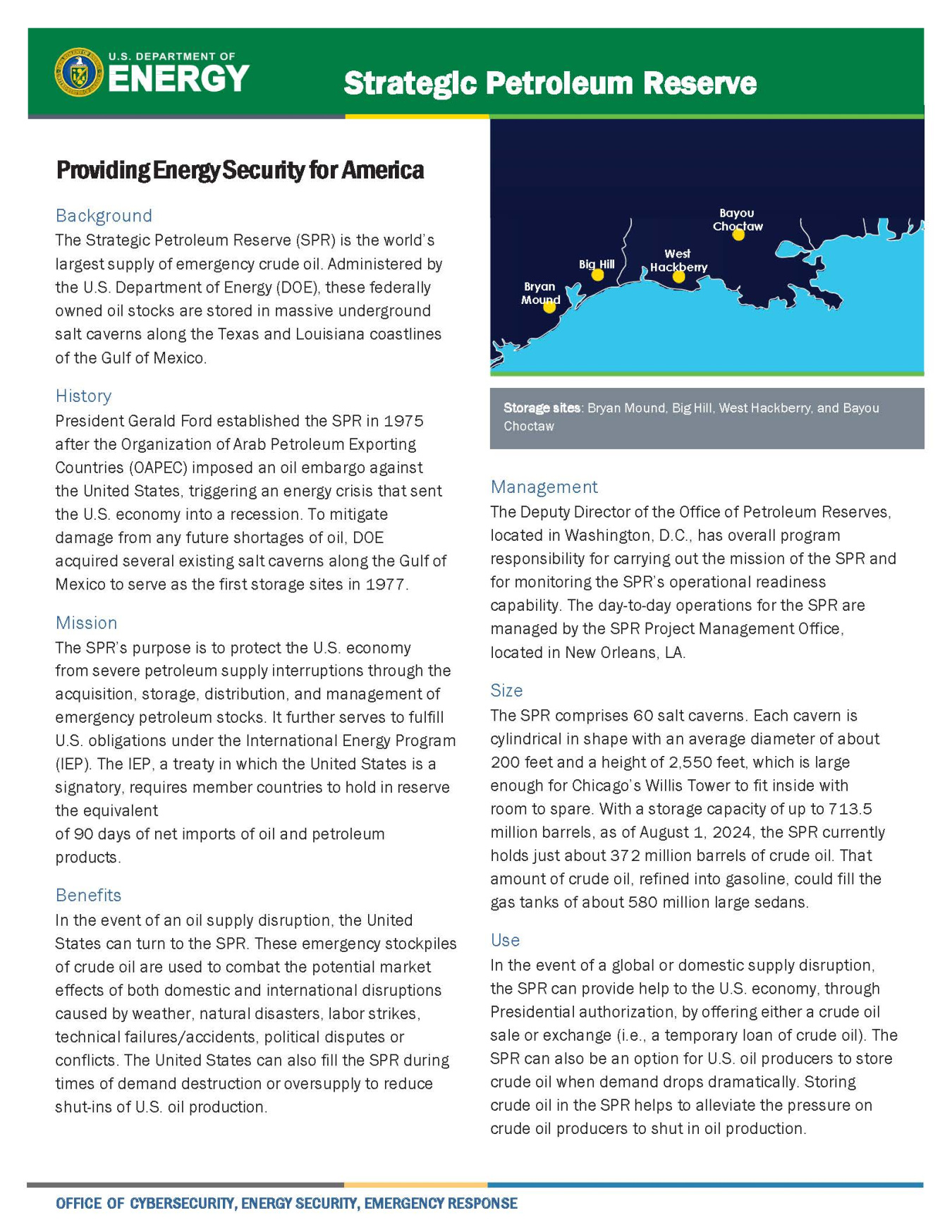
The global food system has been obsessed with "just-in-time" delivery for thirty years. We stripped out the buffers. We sold off the strategic reserves. We optimized for the lowest possible price at the expense of any meaningful resilience.
Conflict in the Middle East is the stress test we desperately need. It is forcing a shift from "just-in-time" to "just-in-case."
- Regionalization: Countries are finally waking up to the idiocy of shipping grain halfway around the world when they could be investing in indoor farming or better irrigation at home.
- Buffer Stocks: The private sector is being forced to hold more inventory. This costs money now, but it prevents the "spikes" that actually kill people.
- Decentralized Logistics: We are moving away from single-point-of-failure choke points.
This transition is painful. It looks like inflation. But it’s actually the cost of insurance. If you want a food system that doesn't collapse every time someone fires a drone, you have to pay for the redundancy. The current price increases aren't a "shock"; they are a market correction for decades of underpriced risk.
Stop Asking if Prices Will Go Up
People always ask: "When will food prices go back to normal?"
They won't. But not because of the war.
Prices are staying high because of labor shortages in trucking, the soaring cost of packaging, and the "Green Premium" as we move toward sustainable fertilizers. If the Middle East achieved total peace tomorrow, your grocery bill wouldn't drop by 20%. The war is a distraction from the fact that the cost of doing business has fundamentally reset.
Stop looking at the Middle East. Start looking at the aging rail infrastructure in North America. Start looking at the insane regulations preventing the adoption of CRISPR-edited crops that could survive 40°C heat. Start looking at the fact that 40% of all food produced is still thrown in the trash before it reaches a plate.
The Contradiction of Crisis
Here is the most counter-intuitive part: War in the Middle East might actually stabilize food prices in the long run.
How? By killing the complacency of the West. Nothing moves policy like the threat of a hungry electorate. We are seeing a massive surge in ag-tech investment. We are seeing a move toward "friend-shoring" trade. We are seeing the death of the "global commodity" and the birth of the "secured supply chain."
The "shock" is the catalyst for the cure.
The people who are truly "hit hardest" are the ones who believe the status quo was sustainable. If you’re waiting for the world to return to the 2010s, you’ve already lost. The era of cheap, easy, risk-free calories is over.
Don't buy the fear. Buy the reality that the map is being redrawn, and for the first time in a generation, we are actually building a system that can take a punch.
Stop worrying about the Suez. Start worrying about why your local supply chain is still running on 1990s logic.
Get over the headlines. The world isn't running out of food; it's just running out of excuses for being unprepared.