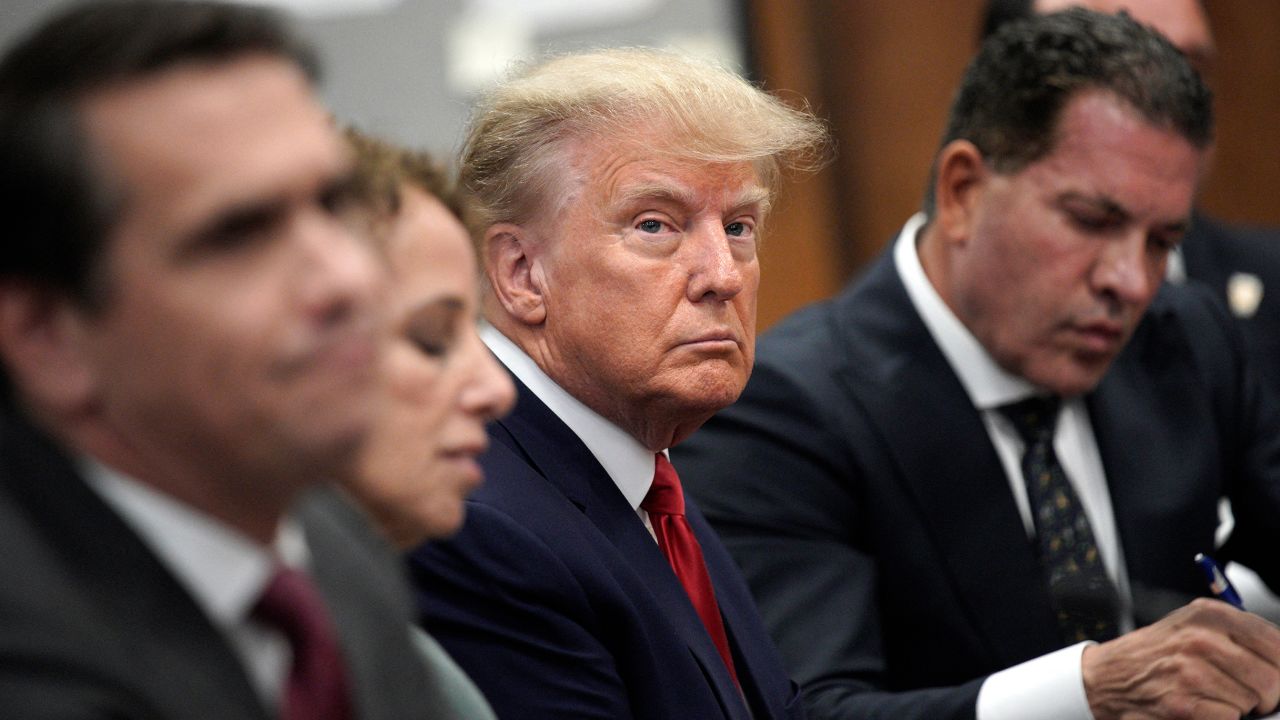
Donald Trump doesn't do "small." Whether it’s real estate or regional warfare, the price tag is always going to be massive. On Thursday, the White House confirmed what many in Washington had been whispering about for weeks. The Pentagon wants an extra $200 billion to keep the engines of Operation Epic Fury running.
When asked about the eye-watering sum, Trump didn't blink. Speaking from the Oval Office, he called it a "very small price to pay" to keep the military in top shape. He’s not just talking about fuel and flight hours either. According to Defense Secretary Pete Hegseth, "it takes money to kill bad guys." It’s a blunt justification for a conflict that’s already burning through cash at a rate that would make a Silicon Valley startup blush.
Where the money is actually going
If you're wondering how a war that's only a few weeks old already needs a $200 billion injection, you aren't alone. Critics are pointing out that this request comes on top of an $840 billion base budget and a previous $150 billion windfall from last year.
The reality on the ground—and in the air—is that precision warfare is incredibly expensive. In just the first six days of the conflict, the U.S. reportedly spent $11 billion. Think about that. That's nearly $2 billion a day just to keep the pressure on Tehran.
The munitions crisis
A huge chunk of this new request is meant to refill "the arsenal of freedom." We aren't just talking about bullets. We're talking about high-end, "exquisite" munitions that take years to build but seconds to fire.
- Tomahawk Missiles: Over 300 have already been launched.
- Bunker Busters: The 5,000-pound penetrators used to hit underground missile sites.
- Precision Strike Missiles: Used to take out over 7,000 targets across Iran so far.
Hegseth’s team argues that the U.S. can’t afford to let its stockpiles dip. They’re essentially asking Congress to buy back everything that’s been dropped and then some. They want the industrial base to move "faster than anyone imagined," but that kind of speed requires a massive upfront deposit.
The "lot of reasons" mystery
Trump was uncharacteristically vague when pressed on why he needs the full $200 billion. He mentioned a "very volatile world" and "other reasons" beyond just the strikes in Iran. This has sparked plenty of theories on Capitol Hill. Some think it’s a slush fund for broader military expansion; others fear it’s the down payment for a ground invasion he claims he doesn't want.
"No. I'm not putting troops anywhere," Trump told reporters. But in the same breath, he reminded everyone that he could deploy forces wherever he wants and isn't about to telegraph his playbook. It’s the classic Trump "keep them guessing" strategy, but it’s a tough sell when you’re asking for enough money to fund Medicaid for millions of children.
A collision course with Congress
This isn't going to be a "rubber stamp" situation. Even with Republicans holding the keys to the building, there's a growing sense of unease. The national debt is screaming past $39 trillion.
Rep. Betty McCollum and other Democrats are already digging in their heels. They want to know where the last $150 billion went before they hand over another cent. Even some fiscal hawks in the GOP are scratching their heads. You can't run on a platform of fiscal responsibility and then write a blank check for a war that hasn't been formally authorized by Congress.
The geopolitical ripple effect
While Washington fights over the bill, the rest of the world is feeling the heat.
- Oil Markets: Iran’s retaliation against Qatari gas fields and the closure of the Strait of Hormuz has energy prices on a rollercoaster.
- The "Rolls-Royce" Allies: Trump is publicly trashing the UK and other NATO partners for not "stepping up to the plate." He wants them to send minesweepers and cash, but they’re wary of a war with no clear exit strategy.
- The China Factor: Interestingly, the administration is considering "un-sanctioning" Iranian oil currently at sea—about 140 million barrels—just to keep prices down and prevent China from being the only buyer.
What this means for your wallet
You don't need to be an economist to see where this is headed. Massive defense spending paired with disrupted energy routes usually ends in one place: inflation.
If the $200 billion gets approved, it’s likely to be attached to a larger bipartisan package. This means the total cost will probably balloon as both parties trade favors to get it across the finish line. We’ve seen this movie before. The "small price to pay" often ends up being much larger than advertised.
Keep an eye on the upcoming floor votes in the House. If the leadership can't coral the "America First" wing of the GOP—who are generally skeptical of foreign entanglements—Trump might have to start making some very uncomfortable concessions to Democrats.
If you're following the defense sector, watch the "long-lead time" contracts. The Pentagon isn't just looking for replacements; they're looking for an entirely new scale of production. That's where the real, long-term money is going to settle. Check the quarterly reports for the big prime contractors—Lockheed, Raytheon, and General Dynamics—to see how much of this "emergency" funding is already being priced into their future earnings.