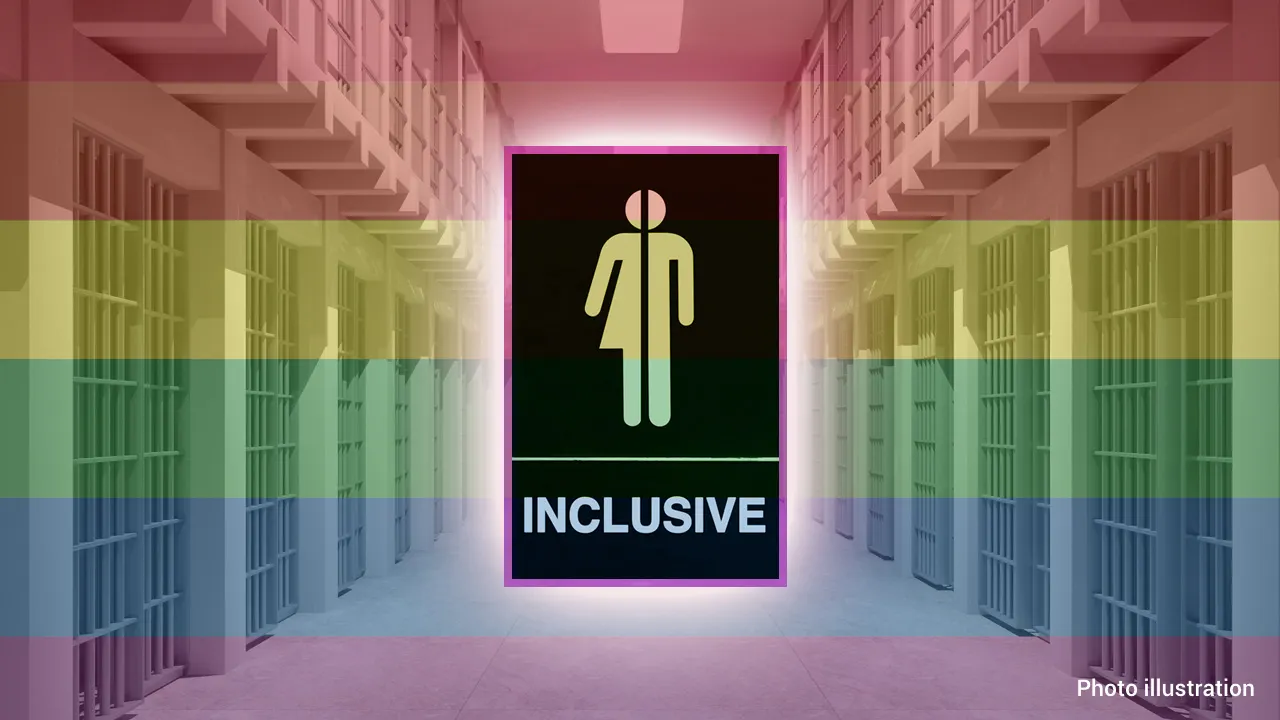
The federal government just put California on notice, and it’s not for the reasons you might think. On Thursday, March 26, 2026, the Department of Justice (DOJ) announced a formal investigation into the California Department of Corrections and Rehabilitation (CDCR). The focus? Whether housing transgender women in female prisons violates the constitutional rights of biological women.
This isn't just a local policy spat. It’s a full-blown collision between state law and federal oversight. At the heart of the mess is SB 132, the "Transgender Respect, Agency, and Dignity Act," which California passed in 2021. The law basically says inmates should be housed based on their gender identity. But the DOJ, led by Attorney General Pamela Bondi under the Trump administration, is calling foul. They’re looking at the California Institution for Women in Chino and the Central California Women’s Facility in Chowchilla to see if "biological men" are getting preferential treatment at the expense of women’s safety. If you found value in this post, you should read: this related article.
Why the DOJ is Stepping In Now
If you’ve been following the headlines, you know this has been brewing for years. The DOJ claims they’ve received reports of sexual assault, rape, and "sexual intimidation" fueled by the presence of trans women in female facilities. It’s a heavy accusation. Assistant Attorney General Harmeet K. Dhillon was blunt about it, stating the department won't allow women to be subjected to "unconstitutional risks of harm."
It’s not just rhetoric. There are specific cases fueling this fire. In 2024, Tremaine Carroll—a trans woman—was charged with raping two inmates at the Chowchilla facility after being transferred from a men’s prison. Carroll was sent back to a men’s facility and denies the charges, but for critics of SB 132, this is the "I told you so" moment they’ve been waiting for. For another perspective on this event, check out the recent update from Reuters.
The Massive Gap Between Policy and Reality
Here’s what most people get wrong about this story. They think California is just swinging the doors open. Honestly, that’s not what’s happening on the ground. Despite the law, the CDCR has been incredibly slow—some would say resistant—to actually moving people.
By mid-2025, data showed that the state had denied more than 47 times as many transfer requests as it had approved. If you’re a trans woman in a California men's prison, your chances of getting moved to a women’s facility are statistically tiny. Advocates for trans rights, like those at Lambda Legal and the Transgender Law Center, argue that the state is actually failing trans inmates. They point to the staggering rates of victimization trans women face in male prisons—nearly 50% report being harassed or assaulted by other inmates or staff.
So we have two groups claiming their constitutional rights are being shredded. Biological women say their privacy and safety are gone. Trans women say they’re being left in "gladiator schools" where they’re guaranteed to be preyed upon.
The Legal Tightrope
California Governor Gavin Newsom isn't backing down. His office usually points to the CDCR, which maintains that denying transfers based solely on "biological sex" would violate federal law (specifically the Prison Rape Elimination Act, or PREA).
PREA is a funny thing. It’s a federal law that actually requires prisons to consider an inmate's own perception of their safety when making housing assignments. California’s SB 132 was designed to align with that, but the current DOJ is interpreting the Constitution through a much narrower lens. They’re defining "women" exclusively as those who were female at birth.
What the Investigation is Looking For
- Evidence of "Preferential Treatment": The DOJ wants to know if trans inmates are getting perks or housing priority that ignores the safety risks they might pose.
- Assault Statistics: They’re digging into the actual numbers of sexual violence incidents since SB 132 took effect.
- Classification Failures: Investigators are looking at how the "Institutional Classification Committees" make their calls. Do they ignore a history of violence just because an inmate identifies as a woman?
A Battle of Constitutional Rights
This isn't just about California. Maine is also under the microscope for similar policies. The DOJ’s move is part of a broader push to define "sex" in strictly biological terms across all federal and state-funded institutions.
If the DOJ finds that California is indeed violating the 8th Amendment (which protects against cruel and unusual punishment) for biological women, they could pull federal funding. We’re talking millions of dollars. Or, they could force the state into a consent decree—a court-ordered overhaul of the entire prison system.
Critics of the investigation say it's "politically motivated." Janet Mills, the Governor of Maine, basically said the DOJ has a "predetermined" outcome in mind. They argue the feds are using the few cases of abuse (like the Tremaine Carroll case) to dismantle protections for an entire vulnerable population.
Where This Leaves the Inmates
Right now, the vibe in these facilities is reportedly tense. You have guards who feel caught in the middle of a culture war they didn't ask for. You have biological women who feel their "safe space" has been compromised. And you have trans women who feel like they're being used as political pawns while still being at high risk for violence regardless of where they’re housed.
Don't expect a quick resolution. Federal investigations into state prison systems usually take months, if not years. But the "notice of investigation" is a shot across the bow. It tells every state in the country that if you have a "gender-affirming" housing policy, the DOJ is coming for your records.
If you’re concerned about how this affects public policy or safety, keep a close eye on the "Amity Foundation vs. CDCR" and "Chandler v. CDCR" lawsuits. These cases are where the actual legal definitions of "safety" and "identity" are being hammered out.
The next step for anyone following this is to look at the CDCR’s upcoming transparency reports. They’re legally required to disclose more granular data on inmate safety by the end of the year. That data will either be the DOJ's smoking gun or California's shield. Watch the numbers, not just the press releases.


