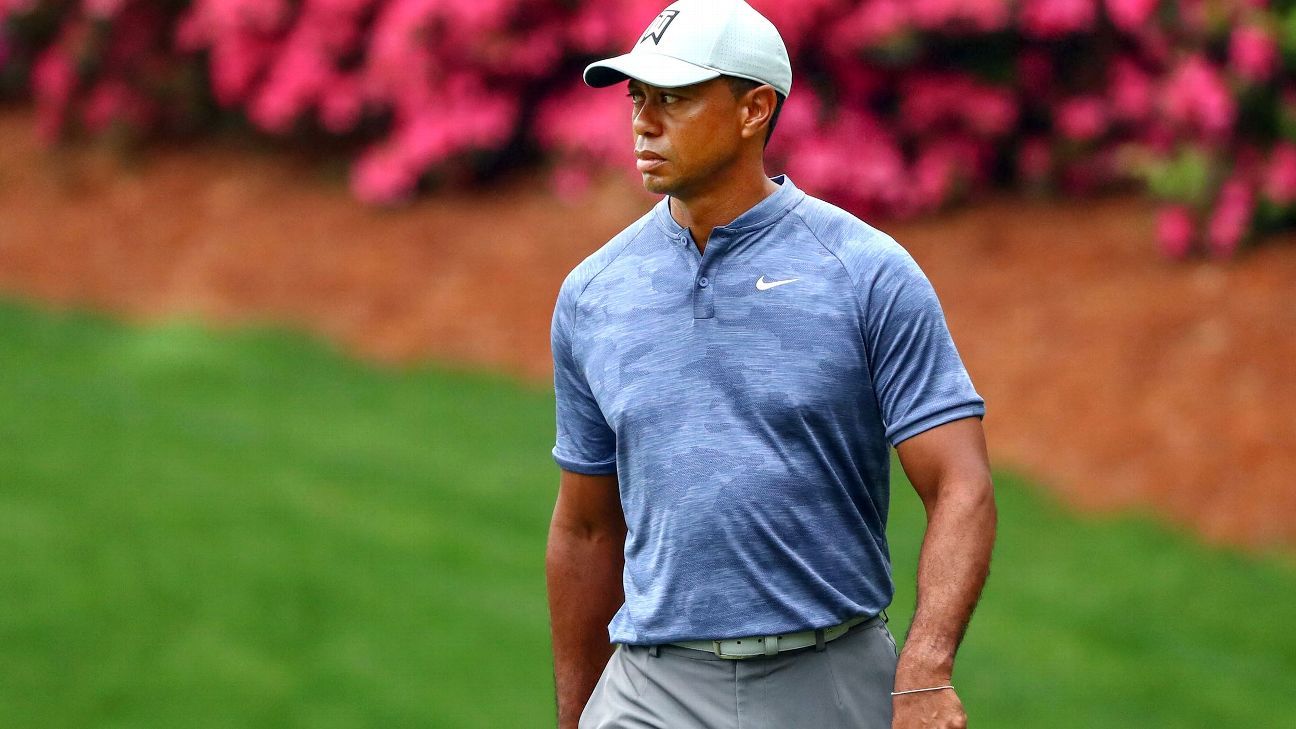
Florida prosecutors want to see what's in Tiger Woods’ medicine cabinet. Following his high-profile arrest for driving under the influence, the legal battle has shifted from the side of the road to the privacy of a doctor's office. The state is moving to subpoena Tiger Woods’ prescription drug records, a move that raises serious questions about where a celebrity's right to privacy ends and the public’s right to a fair trial begins. It’s a aggressive play by the state attorney's office. They aren't just looking for proof of impairment; they're looking for a pattern.
When police found Woods asleep at the wheel of his Mercedes, the engine running and blinkers flashing, the initial assumption by many was alcohol. It wasn't. A breathalyzer test showed 0.00. Woods later blamed an "unexpected reaction to prescribed medications." Now, the state wants the paper trail to prove exactly what those medications were and, more importantly, if he was warned about driving while taking them. This isn't just about one night in Jupiter, Florida. It's about how much the government can dig into your past to prove a present mistake. For a closer look into similar topics, we recommend: this related article.
The Legal Reach into Private Health Data
Florida law provides a specific pathway for prosecutors to grab medical records, but it isn't an open door. Under Florida Statute 395.3025, the state can seek these records if they're relevant to a criminal investigation. But they have to give the defense notice. They have to show a judge that the records aren't just a fishing expedition.
Prosecutors are betting that the records will show Woods was aware of the risks. If his doctor told him "don't drive on this" and he did anyway, the "unexpected reaction" defense falls apart. It moves the needle from a simple mistake to culpable negligence. For a guy whose brand is built on control and precision, the optics of a messy drug record are devastating. For further context on this topic, detailed reporting can be read on NBC Sports.
You have to wonder if the state is overreaching. Usually, in a DUI case, the blood or urine test results from the night of the arrest are plenty. If the toxicology report already shows what was in his system, why do they need years of history? They're looking for intent. They want to show he knew better. It's a heavy-handed tactic that lawyers often use when they want to force a plea deal. They're making the "cost" of going to trial a complete public airing of his medical history.
Why the Defense is Fighting Back
Tiger’s legal team isn't just sitting there. They're filing motions to block the subpoena. Their argument is simple: privacy. Even if you're the most famous golfer on the planet, your relationship with your doctor is supposed to be sacred.
- Relevance: Are records from two years ago relevant to a crash today? Probably not.
- Privacy Protections: Florida’s constitution has a very strong privacy clause.
- Toxicology vs. History: If the state has the lab results from the night of the arrest, the medical records are redundant.
In many cases, a judge will perform an "in camera" inspection. This means the judge looks at the records in private first. They decide what's relevant and what stays hidden. It's a middle ground, but for someone like Woods, even having a judge look through his files feels like a loss.
The Reality of Pain Management in Professional Sports
We can't talk about Tiger Woods without talking about the physical toll of his career. The guy has had multiple back surgeries. He’s had knee reconstructions. He’s played through pain that would sideline most people for life. When you're in that much pain, you take what the doctors give you.
The "unexpected reaction" isn't just a legal line. It's a reality for people mixing painkillers, sleep aids, and anti-anxiety meds. Woods has admitted to taking Xanax and Vicodin. Mixing those is a recipe for the exact kind of "zombie" state the police dashcam footage showed.
The public likes to judge, but anyone who has dealt with chronic pain knows the line between "functional" and "impaired" gets blurry fast. Prosecutors are trying to paint this as a criminal choice. The defense is painting it as a medical accident. The records will likely show a man struggling to keep his body together so he can keep competing at the highest level.
What This Means for Your Own Privacy
Don't think this only happens to celebrities. If you're involved in a serious accident and the police suspect meds are involved, your records are fair game. Most people don't realize how easily the "medical privacy" shield can be pierced in a criminal court.
The Fourth Amendment protects you from unreasonable searches, but "reasonable" is a flexible word in the hands of a determined prosecutor. If the state can prove a "nexus" between your records and the crime, that HIPAA protection you think you have disappears.
The Strategy Behind the Subpoena
Why go through the hassle? Because the state wants a win. Tiger Woods is a high-profile target. If they let him off with a slap on the wrist without doing their "due diligence," they look weak. By going after the records, they're showing the public that no one is above the law.
But there's a flip side. If the judge denies the subpoena, it’s a massive win for Woods. It keeps the narrative focused strictly on the night in question, not a decade of surgeries and prescriptions. It keeps the "man struggling with pain" story alive instead of the "reckless drug user" story the state wants to tell.
Checking the Toxicology Facts
The toxicology report from the arrest is the real anchor here. It showed five different drugs:
- Hydrocodone (Vicodin)
- Hydromorphone (Dilaudid)
- Alprazolam (Xanax)
- Zolpidem (Ambien)
- THC (Marijuana)
That's a heavy cocktail. The state’s move for records is likely an attempt to see who was prescribing all of these at once. Was it one doctor? Or was he "doctor shopping"? That's where the real legal danger lies. If they find evidence of doctor shopping, the charges could get much worse than a DUI.
Next Steps for the Case
Watch for the hearing on the motion to quash the subpoena. That will be the turning point. If the judge grants the state access, expect a quick plea deal from the Woods team. They won't want those records becoming public record during a trial.
If the judge blocks it, the state has to rely on the toxicology alone. That’s still a tough hill for Tiger to climb, but it’s a much narrower one. Keep an eye on the Florida court docket. The specific language the judge uses in the ruling will set a precedent for how medical privacy is handled in the age of the opioid crisis.
If you're following this, pay attention to the "Notice of Intent" filings. That's where the state has to list exactly what they're looking for. It’s the first real look at their strategy. Woods is fighting for his reputation; the state is fighting for a conviction. Only one of them can come out on top.
If you find yourself in a similar legal spot, never assume your medical history is off-limits. Talk to a lawyer about "privileged communication" early. Don't wait for the subpoena to arrive to start worrying about your privacy. The time to protect your records is before the state even knows they exist. Woods’ team is doing exactly that, and it's the only move they have left.