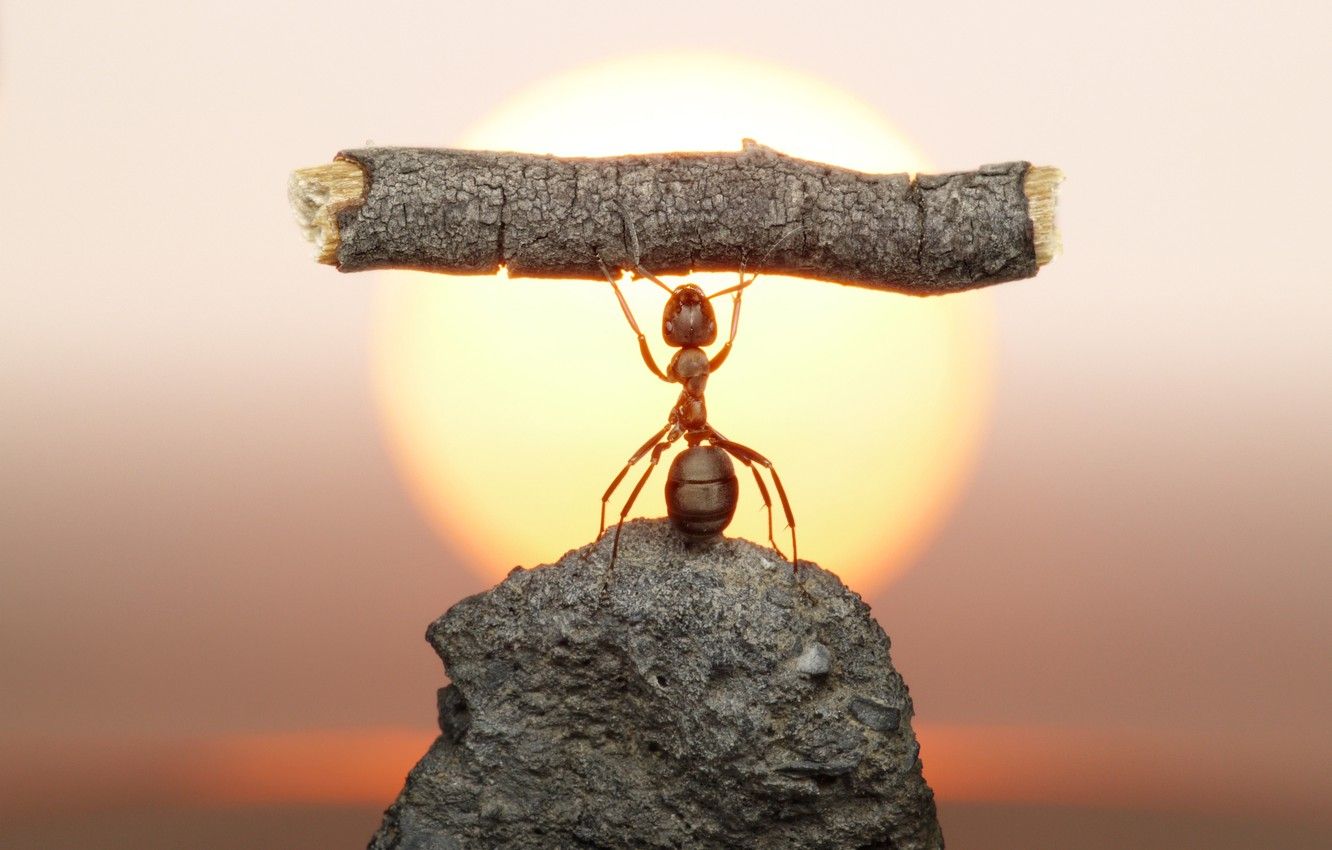
The screen glows with a predatory hum. It is a modern coliseum, where the weapons are not tridents or nets but hundred-character barbs designed to pierce the thickest skin. In this space, the concept of aging is not a natural progression or a season of earned wisdom. It is a vulnerability. It is a target. When Candace Owens looked at the most powerful office in the world, she didn't see a policy platform or a historical legacy. She saw a biological clock ticking toward midnight, and she decided to strike.
"Put Grandpa up in a home."
The words didn't just hang in the air; they curdled. They were delivered with the surgical precision of a commentator who knows exactly where the cultural nerve endings are exposed. This wasn't a debate about tax brackets or foreign intervention. This was a visceral, public execution of the idea of elder dignity. It was a jab aimed at President Joe Biden, but it landed on every kitchen table where a family is quietly struggling with the reality of a fading patriarch.
Politics has always been a blood sport, but we have entered an era where the blood is increasingly biological. We are no longer arguing about what a leader does; we are obsessing over what a leader is. Or, more accurately, what they are becoming.
The Spectacle of the Frail
Consider the optics of power. For decades, the presidency was projected through the lens of vitality. Think of JFK tossing a football on the lawn or Reagan chopping wood at the ranch. These images were curated to reassure a nation that the hand on the tiller was steady, muscular, and tireless. But time is the one opponent no incumbent can defeat.
When Owens fired back after an explosive rant from the Oval Office, she tapped into a growing, jagged resentment. There is a specific kind of anger that arises when the public feels the person in charge is shielded from the consequences of their own decline by a phalanx of handlers and teleprompters. To her supporters, the "Grandpa" comment wasn't an insult. It was a truth-telling exercise. It was a demand for reality in a world of political stagecraft.
But there is a shadow side to this rhetoric.
When we turn aging into a punchline, we do something dangerous to our collective empathy. We start to view the elderly as a liability rather than a foundation. The "home"—that euphemism for the assisted living facilities where we tuck away the people who once raised us—becomes a threat. It becomes a place of exile. By suggesting the President belongs there, the subtext is clear: your usefulness has expired, and your presence is an embarrassment.
The Invisible Stakes of the Soundbite
Imagine a woman sitting in a darkened living room in the Midwest. She is sixty-five. Her father, a veteran who once built houses with his bare hands, is upstairs, struggling to remember the name of the month. She hears the clip of Owens on her phone. She hears the laughter of the crowd. She feels a cold knot in her stomach.
To the pundit, it’s a "brutal jab" that drives engagement and dominates the news cycle for forty-eight hours. To the woman in the living room, it’s a validation of her deepest fear—that as we lose our sharpness, we lose our right to be seen.
The political utility of age-shaming is undeniable. It works because it is rooted in a fear we all share: the fear of losing control. When a leader stumbles over a word or loses their train of thought, it mirrors our own anxieties about the fragility of the mind. By mocking it, we distance ourselves from it. We convince ourselves that we are different, that we are the ones who stay sharp, that we will never be the "Grandpa" being shoved toward the exit.
Biden’s "explosive rant," the one that triggered this specific volley, was its own kind of theater. It was an attempt to project strength, to show that the fire still burns. But in the hyper-polarized digital ecosystem, every display of passion is interpreted through a pre-existing lens. To his allies, it was a statesman defending his record. To his critics like Owens, it was the incoherent shouting of a man out of time.
The Language of the Arena
We have replaced the art of persuasion with the art of the "dunk."
A dunk requires no nuance. It requires no understanding of the complexities of neurological health or the immense physical toll of the presidency. It only requires a sharp tongue and a platform. Owens has mastered this. She understands that in the attention economy, cruelty is often mistaken for courage. Calling for the President to be put in a home is framed as "telling it like it is," a brave defiance of the "polite" society that would rather whisper about a leader's fitness behind closed doors.
But what happens when the cameras turn off?
The facts remain stubborn. The United States is an aging nation. Our leadership reflects our demographics. We are governed by a gerontocracy because that is where the wealth, the experience, and the institutional memory reside. Yet, we are simultaneously a culture that worships youth and speed. This friction creates a volatile political atmosphere where the very people who hold power are the most susceptible to being mocked for the crime of having lived a long life.
It is a strange paradox. We demand our leaders have decades of experience, then we pillory them for the physical reality of having those decades.
The Human Cost of the Viral Moment
The real tragedy isn't the insult itself. Politics has seen worse. The tragedy is the way these moments flatten our understanding of the human condition.
Joe Biden is a man who has buried children and spent fifty years in the belly of the beast. Candace Owens is a woman who built a media empire out of pure will and a refusal to back down. Both are extraordinary individuals. But in the context of a "brutal jab," they are reduced to caricatures. He is the "frail old man"; she is the "vicious provocateur."
The nuance of a life lived—the successes, the failures, the grief, and the resilience—is stripped away to make room for a headline that generates clicks. We are consuming the degradation of our public figures as if it were a sport, forgetting that the rules of this game will eventually apply to all of us.
Consider the metaphor of the "home" once more.
It is a place of transition. It is where the public life ends and the private, diminished life begins. By using it as a weapon, we reinforce the idea that there is no dignity in that transition. We tell every senior citizen watching that their decline is a matter of public ridicule. We tell the youth that respect is conditional on performance.
The digital arena doesn't care about these consequences. The algorithm rewards the sharpest edge. It wants the "brutal jab." It wants the explosion. It wants the narrative of a fall from grace.
Beyond the Jab
There is a hollow ring to the laughter that follows these viral moments. It’s the sound of a society that has forgotten how to honor its elders without deifying them, and how to criticize its leaders without dehumanizing them.
We can argue about Biden’s policies. We can debate his fitness for office. These are essential, vital conversations for a functioning democracy. But when we descend into the shorthand of "put him in a home," we aren't having a political debate anymore. We are participating in a cultural stripping of the gears.
The stakes are higher than a single election. The stakes are the way we choose to treat the vulnerable among us. If the most powerful man in the world can be dismissed with a joke about assisted living, what hope is there for the retired schoolteacher, the aging mechanic, or the grandmother who can no longer find her keys?
Owens’ jab was successful by every metric of modern media. It was shared. It was debated. It was "brutal." But it left a bitter aftertaste for anyone who has ever held the hand of a loved one whose mind was wandering toward a distant shore. It reminded us that in the hunt for political dominance, empathy is often the first casualty.
The sun sets on every empire, and it sets on every life. We are all walking each other toward that eventual horizon. The question isn't whether we will get there, but how we treat the people who are a few steps ahead of us on the path.
The screen eventually goes dark. The hum of the computer fades. In the silence that follows, the "brutal jab" feels less like a victory and more like a confession. It is a confession that we are afraid of what comes next, and we would rather mock the mirror than look at the reflection.
The President continues his work, the commentator continues her broadcast, and the rest of us are left to decide if we want to live in a world where the only response to the passage of time is a sneer.
The arena is always hungry for more blood. But the people in the stands—the ones watching the spectacle from their own aging bodies and their own complicated lives—they are looking for something else. They are looking for a reason to believe that their own sunset will be met with something more than a punchline.