The Strait of Hormuz isn't just a stretch of water. It's the world's most sensitive carotid artery. If it constricts, the global economy has a stroke. Since the latest round of regional conflict began, everyone expected a total shutdown. They predicted $150 oil. They imagined a ghost town of empty waves and silent engines.
That hasn't happened.
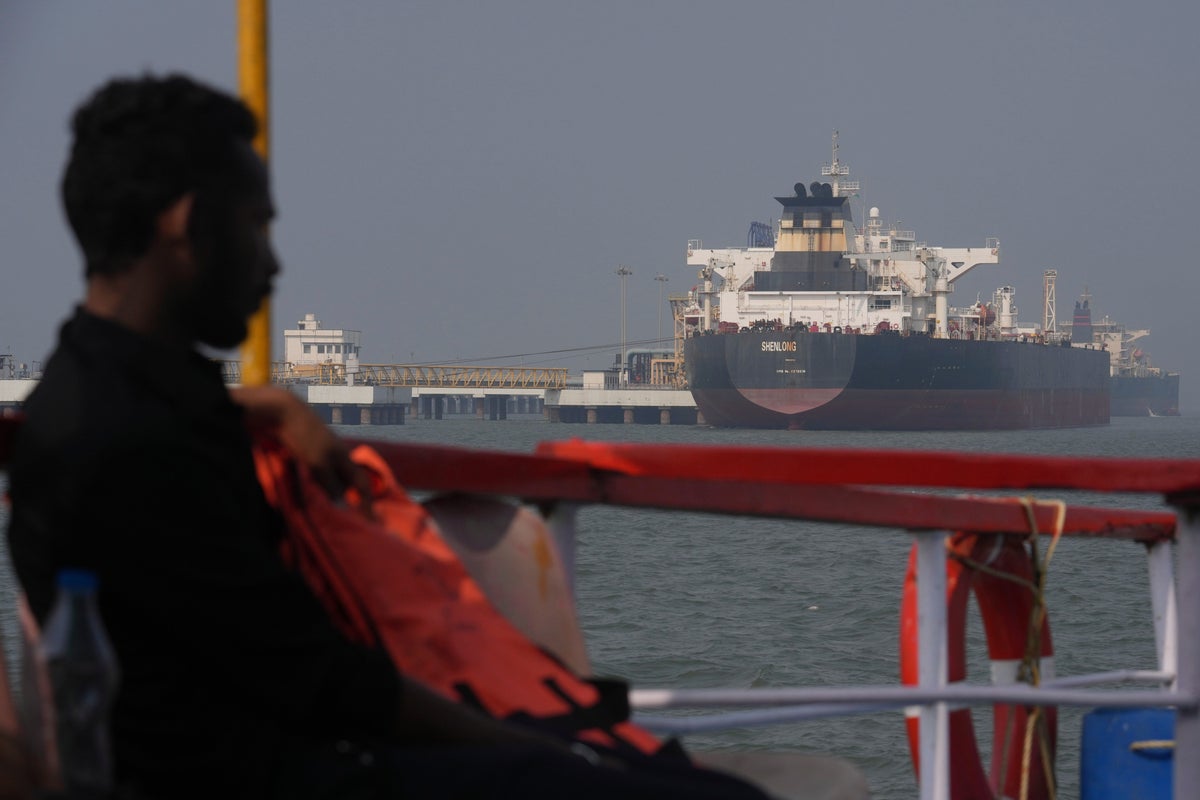
Roughly 90 ships have continued to make the transit daily despite the looming threat of drone strikes, seizures, and rising insurance premiums. If you're looking at the raw data, it seems like business as usual. But looking at the numbers alone is a massive mistake. The way these vessels move, who owns them, and the "dark" tactics they use have changed everything about Middle Eastern logistics.
Why the Strait of Hormuz stays open when the Red Sea closed
You’ve probably seen the headlines about the Red Sea. Traffic there dropped by over 50% because of Houthi attacks. So why is the Strait of Hormuz—which is technically more vulnerable—still seeing steady volume?
It comes down to geography and necessity. You can sail around the Cape of Good Hope to avoid the Suez Canal. It’s expensive and adds two weeks to the trip, but it’s an option. There is no "around" for the Persian Gulf. If you’re pulling crude out of Kuwait, Iraq, or the UAE, you go through Hormuz or you don't go at all.
Energy security is the only reason the world hasn't seen a total maritime exodus. Saudi Arabia has a pipeline to the Red Sea, and the UAE has a line to Fujairah, but these can't handle the total volume. We're talking about 20% of the world's liquid petroleum consumption passing through a point that is only 21 miles wide at its narrowest.
The invisible shift in who is actually sailing
The 90-ship-a-day average hides a frantic reshuffling of risk. While the total number of hulls remains stable, the "flavor" of those hulls is different. Western-linked tankers, especially those with clear ties to the US or UK, are playing a high-stakes game of hide and seek.
We’re seeing a surge in what's known as the shadow fleet. These are older vessels with opaque ownership, often registered in "flag of convenience" states like Panama or Liberia. They operate with little to no traditional Western insurance. They aren't scared of the Strait because they’re often carrying Russian or Iranian oil to markets in Asia.
Meanwhile, traditional blue-chip shipping companies are forced to adapt. They aren't just sailing through. They're engaging in "defensive transiting." This includes:
- Turning off AIS (Automatic Identification System) transponders to disappear from public tracking maps.
- Hiring private maritime security teams to stand on the decks with high-powered optics.
- Coordinating transits with national navies, specifically through the International Maritime Security Construct (IMSC).
If you think a steady ship count means "low risk," you’re missing the point. The risk is baked into the price of the cargo.
Insurance companies are the real gatekeepers
Ship owners don't decide where to go. Their insurers do. Since the war started, "war risk" premiums for the Persian Gulf have spiked. It’s not a flat rate. It’s a shifting, volatile tax on every barrel of oil.
A typical VLCC (Very Large Crude Carrier) carrying 2 million barrels of oil can see its insurance costs jump by hundreds of thousands of dollars for a single trip. These costs get passed directly to the consumer. When you pay more at the pump in Chicago or London, you're paying for the perceived risk of a drone hitting a deck 7,000 miles away.
The market is currently in a state of "nervous stability." The 90-ship average persists because the players involved have decided the profit outweighs the premium. But that math changes the second a major Western-flagged tanker is boarded or sunk.
The myth of the blockade
Talk of Iran "closing" the Strait is usually political theater. Why? Because Iran needs the Strait more than anyone. It is their primary exit point for their own exports. Closing the Strait would be a self-inflicted economic wound that even the most hardline regime would struggle to justify.
However, "harassment" is the real tactic. We’ve seen a pattern of brief detentions and "safety inspections" that serve as a reminder of who controls the gates. It’s a slow-motion psychological war. They don't need to sink 90 ships; they just need to make the 91st ship afraid to enter.
What actually happens if traffic stops
If that 90-ship-a-day average ever drops to zero, the global supply chain won't just slow down—it will break. Unlike consumer goods in containers, energy doesn't have a "just in time" alternative that works at scale.
Refineries in Asia, particularly in China, India, and Japan, are the most exposed. They have spent decades tuning their equipment to process the specific "sour" crude that comes out of the Gulf. You can't just swap it for American light sweet crude overnight without massive efficiency losses.
The fact that 90 ships are still moving is a testament to the world's desperate addiction to fossil fuels. We are willing to sail into a potential combat zone to keep the lights on.
Watch the transit times not just the counts
If you want to know how bad things are getting, stop looking at the number of ships. Look at the time they spend in the Strait.
Normally, a ship wants to get in and out as fast as possible. Efficiency is profit. Now, we're seeing ships hovering outside the "high-risk area," waiting for a gap in the news cycle or a naval escort. This "waiting room" effect is a massive hidden cost. It ties up global tonnage and reduces the overall supply of available ships, which drives up shipping rates globally.
You also need to watch the "destination changes." Since the conflict intensified, we've seen an increase in mid-voyage diversions. A ship destined for a European port might suddenly pivot to an Asian hub if the risk profile changes. This creates a chaotic secondary market for oil that wasn't there two years ago.
To understand the reality of the Strait of Hormuz, you have to look past the surface. The 90 ships you see on the map are a facade of normalcy. Underneath, it's a desperate scramble of ghost ships, soaring premiums, and tactical silence.
The next time you see a statistic about "steady traffic" in the Middle East, remember that a ship being there doesn't mean it's safe. It just means the owner was willing to bet the ship that nothing would go wrong today.
Monitor the Baltic Dirty Tanker Index daily. It’s the most honest indicator of how much fear is actually being priced into these routes. If that index spikes while the ship count stays at 90, it means the "stable" traffic is anything but. Don't trust the volume; trust the cost of the voyage.