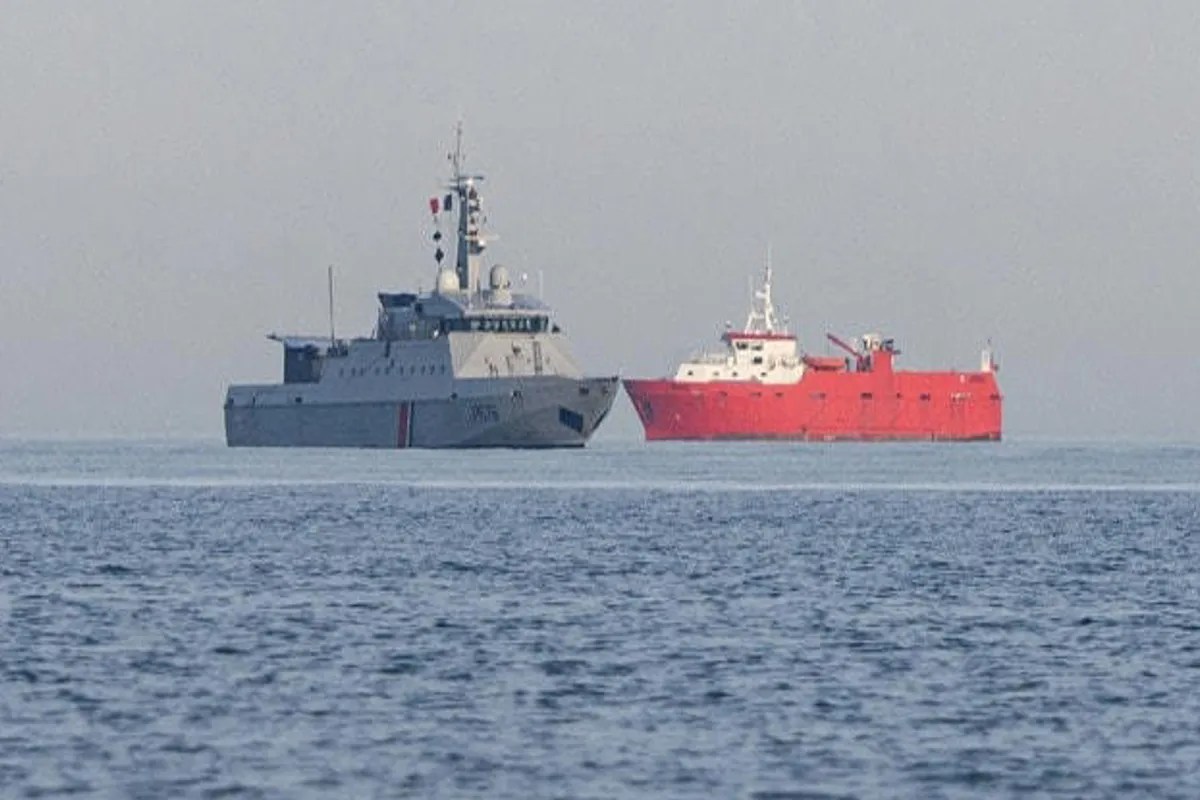
The recent seizure of two vessels linked to Chinese interests in the Strait of Hormuz by Iranian naval forces is not just a tactical blunder or a case of mistaken identity. It is a structural failure of Beijing’s "all-weather" friendship with Tehran. For years, the geopolitical consensus suggested that China’s massive purchase of sanctioned Iranian crude provided it with an invisible shield in the Persian Gulf. That shield just shattered. While headlines focus on the immediate 440-volt shock to the Chinese economy, the reality is a much deeper erosion of the power dynamic in the Middle East.
Iran is signaling that its cooperation has a price that transcends oil contracts. By intercepting these ships, Tehran has effectively reminded the world—and its largest buyer—that it holds the literal kill-switch for the global energy supply. This isn't just about regional tension; it’s about the vulnerability of a superpower that has outsourced its security to a volatile partner.
The Myth of the Strategic Partnership
Beijing has long operated under the assumption that its 25-year, $400 billion cooperation agreement with Iran bought total immunity. The logic was simple: China provides the cash that keeps the Iranian economy on life support, and in exchange, Iran ensures the safe passage of China-bound tankers. This transaction seemed foolproof until the geopolitical reality of the current conflict shifted the leverage.
Iran is currently squeezed. Between domestic unrest, a stagnant economy, and the constant threat of a broader regional war, Tehran is no longer satisfied with being a silent gas station for the East. They are demanding more than just trade; they want active diplomatic cover and perhaps a more aggressive stance from China against Western interests. The seizure of these vessels is "coercive diplomacy" at its most raw. It tells Beijing that if it wants to maintain its energy flow, it must do more than just write checks.
The maritime industry is now forced to reckon with a terrifying reality. If China, the one nation that supposedly had the best relationship with Iran, cannot protect its own shipping, then no one is safe. This realization has sent insurance premiums for tankers into a vertical climb, effectively taxing every barrel of oil that moves through the Strait.
Behind the Seizures
The logistics of these incidents reveal a calculated intent. These were not random boardings. Reports indicate that the Iranian Revolutionary Guard Corps (IRGC) utilized precision intelligence to identify ships that, while perhaps flying flags of convenience, were integral to the Chinese supply chain.
When an IRGC fast boat pulls alongside a massive tanker, it is a David and Goliath scenario where David has the missiles. The psychological impact on the crew and the shipping companies is immediate. It creates a "choke point anxiety" that forces vessels to take longer, more expensive routes or wait for escorts that rarely arrive. China’s People’s Liberation Army Navy (PLAN) has a base in Djibouti, but it is thousands of miles away. Their ability to project power inside the Gulf is remarkably thin for a nation that claims to be a global maritime leader.
This gap between China’s economic ambition and its military reach is the "440-volt" reality check. You cannot be the world's factory if you cannot secure the driveway to your warehouse.
The Economic Aftershocks of Maritime Insecurity
China imports roughly 10 million barrels of crude oil per day. A significant portion of that volume must pass through the Strait of Hormuz. Even a temporary disruption in this flow creates a ripple effect that hits the manufacturing hubs of Guangdong and Zhejiang within weeks.
- Cost of Shipping: Freight rates for Very Large Crude Carriers (VLCCs) have spiked. When the risk of seizure increases, ship owners demand a "war risk" premium.
- Inventory Panic: Chinese refineries, particularly the "teapots" (independent refineries) that rely heavily on Iranian oil, are now facing a supply squeeze. They cannot easily switch to other grades of crude without significant technical adjustments.
- Strategic Reserve Depletion: Beijing has been building a massive strategic petroleum reserve, but drawing from it is a sign of weakness that the Communist Party is loath to show.
The irony is thick. China’s refusal to join Western-led maritime security task forces, like Operation Prosperity Guardian, was intended to signal its neutrality and respect for regional sovereignty. Instead, it has left Chinese shipping as a soft target. Tehran knows that Washington will not lift a finger to protect Chinese-linked tankers, and Beijing lacks the local assets to do it themselves.
The Failed Logic of Sanction Circumvention
For years, the "dark fleet"—a shadowy network of aging tankers using deceptive practices to move Iranian oil—served China’s interests perfectly. These ships would turn off their AIS (Automatic Identification System) transponders, engage in ship-to-ship transfers in the middle of the night, and use front companies in Malaysia or the UAE to hide the origin of the cargo.
This system worked because it was mutually beneficial. However, the dark fleet is inherently unregulated and unprotected. By operating outside the bounds of international maritime law to avoid U.S. sanctions, China has stripped itself of the right to complain when those same laws are ignored by the captors. You cannot demand the protection of international law for a vessel that is actively hiding from it.
The IRGC knows exactly which ships are part of this shadow network. By targeting them, they are hitting China where it hurts without technically attacking "official" Chinese state property. It is a masterclass in plausible deniability and asymmetrical pressure.
China's Djibouti Dilemma
The PLAN’s base in Djibouti was supposed to be the vanguard of Chinese interests in the region. Yet, during this crisis, the base has remained largely silent. This highlights a fundamental flaw in China’s "Belt and Road" maritime strategy. A single base cannot secure a maritime corridor that stretches thousands of miles through some of the most contested waters on earth.
If Beijing decides to escort its tankers, it risks a direct military confrontation with Iran, its supposed ally. If it does nothing, it looks weak to its domestic audience and its global competitors. This is the "Malacca Dilemma" moved to the Western Indian Ocean. China is finding out that soft power and infrastructure loans are no substitute for a carrier strike group when the bullets start flying or the boarding parties start climbing.
The Shift in Regional Alliances
We are witnessing a realignment. Middle Eastern powers like Saudi Arabia and the UAE are watching this play out with intense interest. For years, they were told that China was the new reliable partner, a nation that would trade without lecturing them on human rights or interfering in regional squabbles.
But reliability is measured in more than just trade balances. If China cannot even prevent its "friend" Iran from hijacking its ships, what value does a security partnership with Beijing actually hold? The Gulf monarchies are realizing that while the U.S. is a difficult and often inconsistent partner, it still possesses the hardware and the will to keep the lanes open. China, by contrast, is a fair-weather superpower.
The Technological Vulnerability
Modern tankers are marvels of engineering, but they are also floating data centers. The IRGC has become increasingly adept at cyber-spoofing and GPS jamming. There are documented cases of ships being "tricked" into Iranian territorial waters by manipulated GPS signals.
China’s own BeiDou navigation system was touted as an alternative to the American GPS, one that would provide "security and sovereignty." Yet, in the choppy waters of the Gulf, these electronic shields are proving porous. The technical sophistication of the seizures suggests that Iran is either using advanced electronic warfare suites or has intimate knowledge of the navigation software used by these specific vessels.
The Domestic Fallout in Beijing
Inside the halls of power in Beijing, there is likely a furious debate. The "Wolf Warrior" diplomats who championed the Iran deal are now on the defensive. The economic planners are scrambling to find alternative energy sources, looking toward Russia and Central Asia, but pipelines take years to build and are just as vulnerable to sabotage as sea lanes.
The Chinese public, fueled by decades of nationalist education, expects their government to protect Chinese interests abroad. When videos of Iranian commandos fast-roping onto a ship destined for China go viral, it creates a domestic PR nightmare. The government must choose between looking impotent or escalating a situation that could lead to $150-a-barrel oil.
The End of Neutrality
China’s "neutral" stance in the Middle East is no longer sustainable. You cannot be a global hegemon with a "hands-off" policy toward the security of your own vital resources. The seizure of these two ships is the final warning.
The era of "free-riding" on Western-secured trade routes is over for Beijing. They are now faced with a brutal choice: either build a massive, permanent naval presence in the Middle East—an incredibly expensive and provocative move—or accept that their energy security is entirely at the mercy of a regime in Tehran that is becoming increasingly desperate and unpredictable.
This isn't a 440-volt shock; it’s a total system failure. The "Chinese Dream" of a silk road across the seas is currently being held in an Iranian port, and Beijing has no idea how to get it back without paying a ransom that might include its own global credibility.
Start tracking the movement of the PLAN's 46th Escort Task Force; their next maneuvers will tell you exactly how much sovereignty Beijing is willing to trade for a steady flow of oil.