Donald Trump just put the "special relationship" on life support. By ordering a full naval blockade of the Strait of Hormuz, the US President has effectively declared war on Iran—and he expects the UK to foot part of the bill. Prime Minister Keir Starmer has said no. It’s a bold move that some call a betrayal, but honestly, it’s the only logical choice for a Britain that can no longer afford to be Washington's junior partner in every desert skirmish.
The US Central Command started enforcing this blockade at 1400 GMT on Monday, April 13, 2026. They're stopping every ship entering or leaving Iranian ports. Trump’s logic is simple: choke the regime until it dies. But the Strait of Hormuz isn't a private American pond. It’s a 21-mile-wide choke point where 20% of the world's oil and liquefied natural gas (LNG) passes. If that door slams shut, your energy bills in London or Leeds don't just go up; they explode.
Breaking away from the Trump doctrine
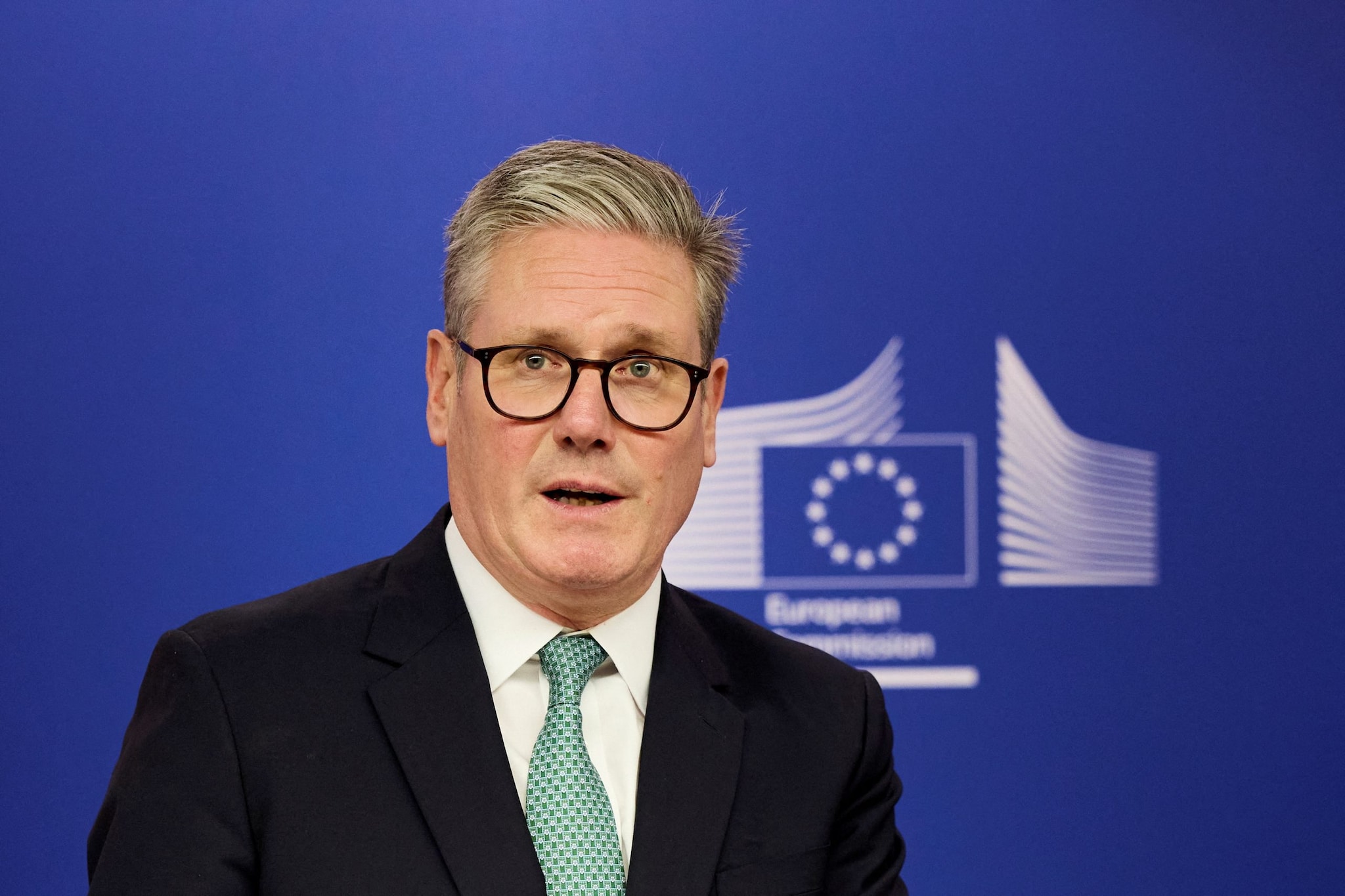
Starmer’s refusal to join the blockade isn't just about being difficult. It’s about survival. The UK is currently co-hosting a summit with France to build a "multinational mission" that is strictly defensive and, crucially, separate from the American operation. This is a massive shift in British foreign policy. For decades, the reflex was to follow the US into the fire. Not today.
The Prime Minister told the BBC that while he faces "considerable pressure," he won't be dragged into a war without a clear lawful basis. He’s right. A blockade is an act of war under international law. Joining it would make the Royal Navy a primary target for Iranian ballistic missiles and swarm boats. Starmer is choosing a "peaceful multinational mission" aimed at keeping the water open for everyone, not just those the US likes.
Why a blockade is a disaster for the UK economy
Trump’s plan to intercept any vessel that has "paid a toll to Iran" sounds tough on social media. In reality, it’s a recipe for a global supply chain heart attack. If the US starts seizing tankers in international waters, insurance premiums for shipping will go through the roof. We aren't just talking about oil. We're talking about the cost of everything that moves by sea.
- Energy Security: While the UK gets much of its gas from Norway and the US, a global price spike affects everyone.
- Retaliation: Iran has already called the blockade "piracy." They have the capability to mine the Strait, making it impassable for months.
- The "Illegal Toll" Problem: Trump has threatened anyone paying Iranian transit fees. This creates a legal nightmare for shipping companies caught between US threats and regional reality.
The Royal Navy's reality check
There’s a quiet truth that the government doesn't like to shout about: we don't have the ships anyway. Recent reports show the Royal Navy’s permanent presence in the Middle East has crumbled. With the decommissioning of HMS Lancaster and the return of minehunters to the UK, our "hard power" in the Gulf is at its lowest point in forty years.
Starmer mentioned that Britain still has minesweepers in the region. He says they're focused on "getting the Strait fully open." That’s a careful choice of words. It means the UK will help clear the path if Iran drops mines, but we aren't going to help Trump stop the traffic. It’s a middle-ground strategy that tries to protect trade without firing the first shot.
Dealing with the fallout in Washington
Trump has already started the name-calling, comparing Starmer to Neville Chamberlain on Truth Social. It’s classic Trump. But the UK isn't the only one backing away. Spain has also said no. France is actively working with us to create an alternative coalition. This isn't a "British" snub; it’s a European realization that Trump’s Middle East policy is a wrecking ball.
The risk is that Trump follows through on his threats to pull US troops out of Europe or scale back NATO support. It’s a high-stakes game of chicken. If Starmer blinks, he risks a war that the UK public has zero appetite for. If he holds firm, he might save the UK from an economic depression, even if it means a very chilly relationship with the White House for the next four years.
You should watch the energy markets closely over the next 48 hours. If the blockade holds and Iran retaliates, the "defensive mission" Starmer is planning will become the most important naval operation of the decade. For now, the best move for any business or individual is to prepare for extreme volatility in fuel prices. Don't wait for the government to tell you it's getting expensive. It's already happening.