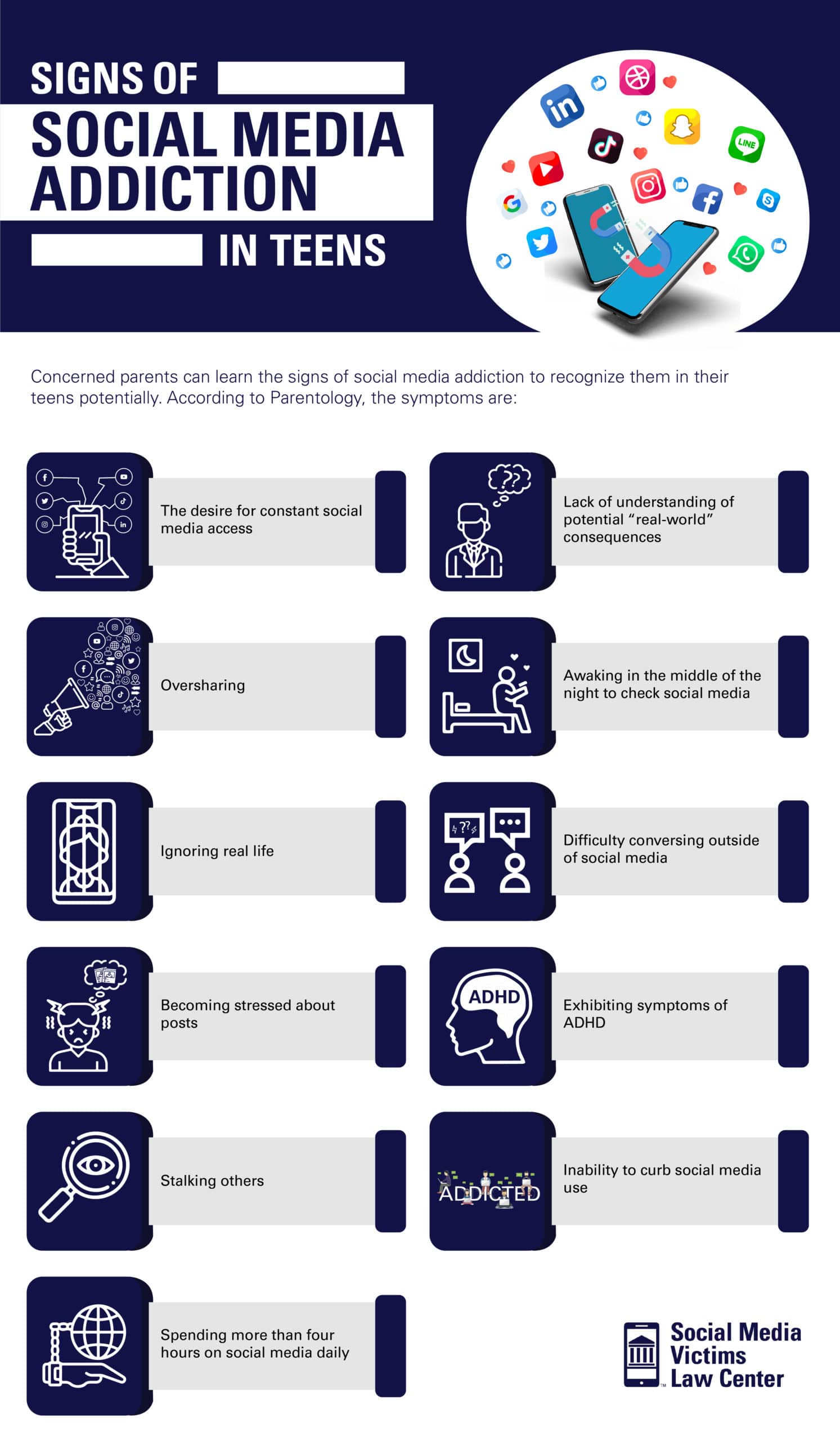
The era of tech giants hiding behind a digital shield from the 90s just hit a brick wall. This week, a Los Angeles jury did something that many legal experts thought was nearly impossible. They looked at Meta and YouTube and didn't just see platforms hosting content; they saw manufacturers of a defective, addictive product. By awarding $6 million to a 20-year-old woman who claimed the apps ruined her mental health, the court basically handed a roadmap to every trial lawyer in America.
If you think $6 million is pocket change for companies worth trillions, you're missing the point. The money isn't the story. The story is how the jury got around Section 230, the legal "get out of jail free" card that has protected these businesses for decades.
The end of the Section 230 shield
For years, if someone sued Facebook because of a post, the company would just point to Section 230 of the Communications Decency Act. That law says platforms aren't responsible for what their users say. It worked like a charm. But the lawyers in this Los Angeles case, led by Mark Lanier, didn't talk about the content. They didn't care about what the plaintiff, Kaley G.M., was looking at.
Instead, they attacked the code.
They argued that features like infinite scroll, autoplay, and relentless notifications are "product defects." They compared these apps to slot machines designed to hook developing brains. Since the lawsuit targeted the design of the platform—something the companies built themselves—Section 230 didn't apply. The jury bought it. By a 10-2 vote, they decided Meta and YouTube were negligent. They even found "malice, oppression, or fraud," which is legal-speak for "you knew this was hurting people and you did it anyway."
Why Meta is sweating more than Google
The jury didn't split the blame down the middle. They hit Meta with 70% of the responsibility and YouTube with 30%. That’s a massive distinction. It suggests that while YouTube’s autoplay is a problem, Instagram’s "always-on" nature and its impact on body image are seen as far more toxic by the public.
It’s been a brutal week for Mark Zuckerberg. Just a day before the LA verdict, a jury in New Mexico ordered Meta to pay $375 million for failing to protect kids from predators. When you combine these two losses, you see a terrifying trend for Meta’s board. They aren't just fighting one-off cases anymore; they're fighting a shift in the American consciousness. People are starting to view social media companies the same way they view Big Tobacco in the 90s.
The existential threat to the ad model
Here’s the part that should keep investors awake. These companies make money based on "attention." The more minutes you spend scrolling, the more ads they show you. If courts eventually force Meta and YouTube to remove the "addictive" features—like killing the infinite scroll or banning notifications for minors—those engagement numbers will tank.
If engagement drops, ad revenue follows. It's a direct hit to the engine that drives these businesses. We’re already seeing the ripples in the market. On March 26, 2026, the communication services sector saw its worst single-day drop in two years. Investors are realizing that the "move fast and break things" era has a massive, backdated bill.
What the platforms argued (and why it failed)
- The "Complex World" Defense: Meta argued that teen mental health is too complicated to blame on an app. They pointed to the plaintiff's "fractious home life" and the COVID-19 pandemic.
- The "Not Social Media" Defense: YouTube’s lawyers tried to claim they aren't even a social media site; they're a "streaming platform" like TV.
- Personal Agency: They tried to blame parents for not monitoring their kids.
The jury rejected all of it. They decided that even if other factors exist, the platforms were a "substantial factor" in the harm. That is a very low bar for future plaintiffs to clear.
The multi-billion dollar "can of worms"
There are currently over 3,000 similar lawsuits pending in California alone. If this $6 million verdict is the "bellwether" or test case, then the total liability for the industry is easily in the tens of billions.
We’re likely looking at a massive settlement in the near future. Think back to the $206 billion Big Tobacco settlement in 1998. That didn't kill the cigarette companies, but it changed how they operated forever. They had to stop marketing to kids and fund public health campaigns. Meta, YouTube, TikTok, and Snap are likely heading toward a similar "Big Tech Master Settlement Agreement."
What happens next for your feed
Don't expect your Instagram to change tonight. These cases are going straight to the appeals process, and that could take years. However, the pressure is mounting from other sides too. Australia has already moved to ban social media for those under 16, and several U.S. states are passing "Age-Appropriate Design Codes."
The companies are trying to get ahead of this. Meta recently introduced "Teen Accounts" with more restrictions, but critics say it’s too little, too late. If you’re a parent or a user, you should start looking for more "circuit breakers" in these apps—features that actually force you to stop scrolling rather than encouraging you to keep going.
Honestly, the "wild west" era of the internet is over. We’re entering a period of heavy guardrails, and for the first time, the people writing the code are being held responsible for the behavior that code triggers. It's about time.
What you can do right now
- Check your settings: If you have kids on these platforms, look for the "Teen Account" settings Meta rolled out. They aren't perfect, but they're a start.
- Monitor the appeals: Keep an eye on the New Mexico and Los Angeles appeals. If those verdicts hold, the floodgates for class-action lawsuits will fly open.
- Audit your own time: Use the built-in "Time Spent" tools to see just how much the "addictive design" is affecting your own day.
The business of attention is officially under fire.