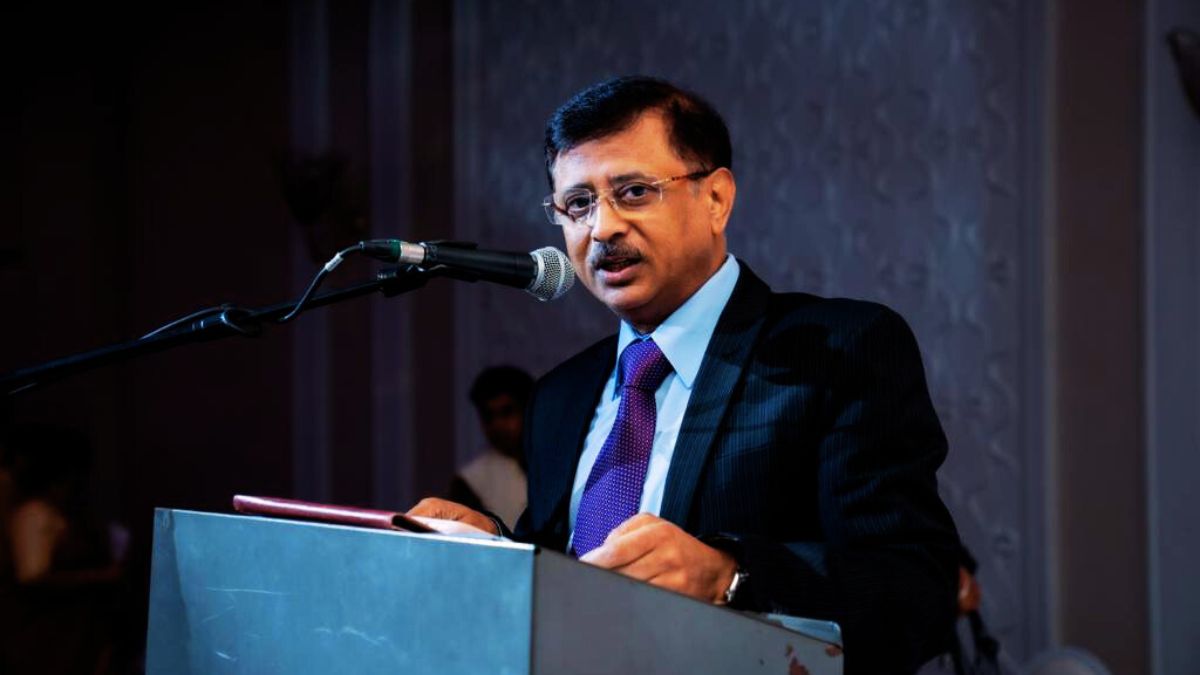
The diplomatic circus between Ottawa and New Delhi finally hit a moment of clarity. For nearly two years, the air was thick with accusations of "transnational repression" and secret agents lurking in the shadows of Canadian suburbs. But the tide has turned. Former Indian High Commissioner Sanjay Verma, the man once at the eye of this geopolitical storm, is now speaking out. He’s not just relieved; he’s pointing out the massive gap between political theater and actual police work.
The two buckets of the Canada India row
Sanjay Verma has a way of simplifying things. In a recent interview, he broke the entire mess down into what he calls "two buckets." It’s a useful way to see how we got here and why the current atmosphere feels different.
The first bucket is the investigation into the 2023 killing of Hardeep Singh Nijjar. That case is still in the courts. Four Indian nationals, who originally arrived in Canada as international students, are facing charges. Verma isn’t trying to interfere with that process. He’s content to let the judicial system do its thing.
The second bucket is where the real drama lived. This was the broader claim that the Indian state was systematically harassing and intimidating people on Canadian soil. This "transnational repression" narrative was the fuel for the fire that led to Verma being declared a "person of interest" and eventually recalled to India in late 2024.
What the RCMP finally admitted
The turning point came from an unlikely source: the Royal Canadian Mounted Police (RCMP). Commissioner Mike Duheme recently admitted that law enforcement isn't seeing a connection between current criminal activity in Canada and any foreign entity.
Wait. Let that sink in.
After months of "credible allegations" and high-stakes expulsions, the top cop in Canada basically said the dots don't connect to India. Duheme noted that while there is plenty of intimidation and harassment happening, the evidence just doesn't link it back to a foreign government. For Verma, this isn't just a win; it’s a long-overdue reality check. He’s been saying for years that interfering in other countries isn't India’s policy.
The cost of political theater
You can't just flip a switch and fix a relationship this broken. Verma is blunt about the damage. Two years were essentially flushed down the toilet. Trade deals like the Early Progress Trade Agreement (EPTA) were shelved. Missions were downsized. But the most "painful" part for Verma wasn't the paperwork—it was the personal toll.
Imagine being a career diplomat and suddenly being treated like a common criminal. Verma and five of his colleagues were labeled persona non grata. He describes the experience as being "back-stabbed" by a country that’s supposed to be a friendly democracy. Canadians were led to believe that Indian diplomats were orchestrating hits, a narrative Verma says was "falsely created" for domestic consumption.
- Lost Time: Critical economic partnerships were put on ice.
- Reputational Damage: Diplomats were smeared without a shred of evidence presented.
- Emotional Stress: The diaspora community was caught in the middle of a toxic narrative.
Mark Carney and the pragmatic reset
If Justin Trudeau’s era was defined by "credible allegations" that never turned into evidence, the new administration under Prime Minister Mark Carney seems to be choosing a different path. Carney’s recent visit to India signaled a shift toward what Verma calls "diplomatic pragmatism."
The two countries are moving past the name-calling. They're talking about uranium deals and trade again. It’s a sign that both sides realized they need each other. Canada needs India’s market and students; India needs Canada’s resources and investment.
Verma isn't calling it a total "vindication" yet, but he’s clearly satisfied. He sees the RCMP’s latest statements as the first step in restoring India’s image as a "deep civilization" that doesn't need to meddle in the internal affairs of others.
The student to criminal pipeline
One of the more jarring insights Verma shared involves the four men charged in the Nijjar case. They went to Canada to study. Somewhere along the line, they got sucked into a world of crime.
Verma has been sounding the alarm on this for a while. He’s warned parents that Indian students in Canada are often vulnerable. They live in cramped conditions, work low-wage jobs, and are sometimes targeted for radicalization or recruitment by gangs. It’s a dark side of the "Canadian dream" that both governments have ignored for too long.
Honestly, the fact that these students became "whatever they have been alleged to have become" is a failure of the system in Canada as much as anything else.
Moving forward without looking back
So, where does this leave us? The noise is dying down. The "transnational repression" narrative is crumbling for lack of proof.
Verma’s advice is simple: stick to the facts. If there’s a crime, let the courts handle it. But don't hold an entire bilateral relationship hostage to political whims. The world is too small for two major democracies to stay at each other's throats over unproven claims.
If you’re following this story, the next thing to watch isn't the headlines—it’s the trade numbers. If those start climbing, you’ll know the "diplomatic pragmatism" is actually working. Check the status of the stalled trade negotiations to see if the reset is real.