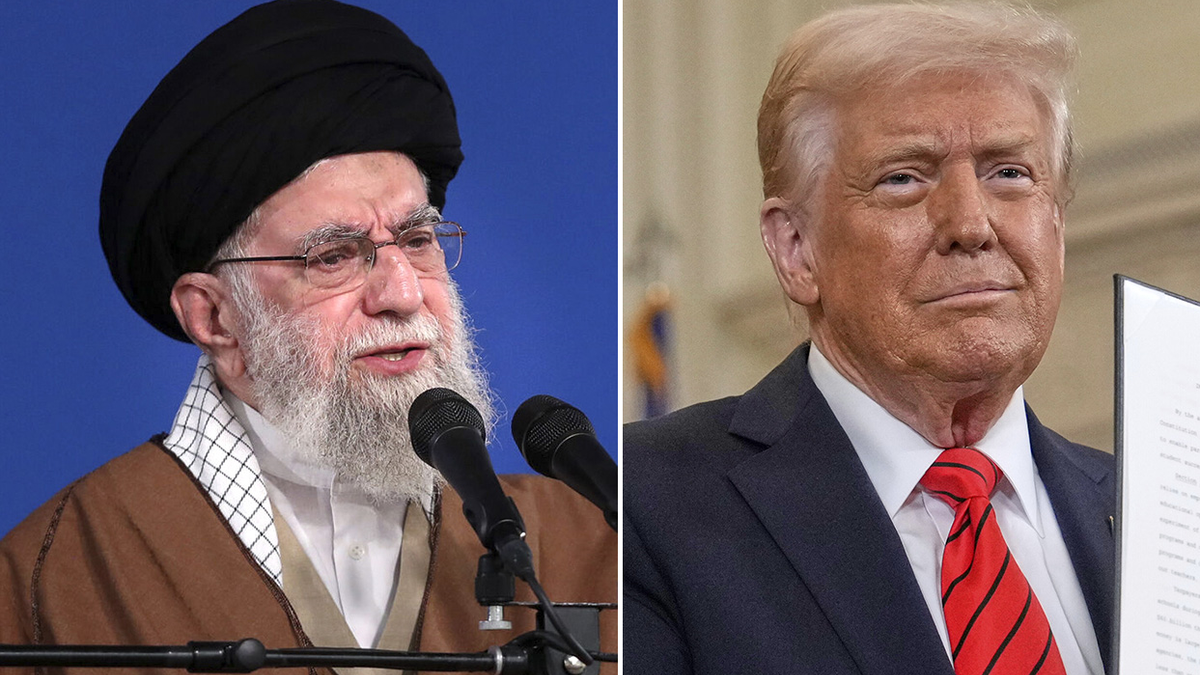
European intelligence officials have spent the last forty-eight hours delivering a grim, data-backed ultimatum to Washington: Moscow is no longer a passive observer in the Middle East. They are an active combatant by proxy. While the Trump administration navigates the opening salvos of Operation Epic Fury against Iran, a deadlier subtext has emerged in the bunkers of Brussels and Paris. Russia is not just selling drones to Tehran; it is providing the high-fidelity satellite imagery and real-time electronic intelligence required to put Iranian missiles through the windows of American barracks.
This is the "hidden hand" that British Defense Secretary John Healey and EU foreign policy chief Kaja Kallas are now forcing into the light. The core premise of the European grievance is simple. While the United States eases oil sanctions on Moscow to stabilize a global energy market rocked by the closing of the Strait of Hormuz, Russia is using those very resources to help Iran kill U.S. service members. It is a feedback loop of blood and oil that European leaders argue the White House is either ignoring or catastrophically mismanaging.
The Intelligence Bridge
The mechanics of this cooperation are more sophisticated than simple arms transfers. According to Western security sources, Russia has integrated Iranian command centers into its own satellite network. This allows Tehran to bypass its own rudimentary reconnaissance capabilities. When an Iranian strike hits a U.S. installation in Kuwait or Iraq with pinpoint accuracy, it isn't luck. It is the result of Russian "signals intelligence" and orbital passes that track U.S. troop movements in real-time.
For the Kremlin, this is a low-cost, high-reward asymmetric strategy. By enabling Iran to inflict "catastrophic casualties" on American forces, Moscow forces Washington to redirect its dwindling stockpile of Patriot interceptors away from the Ukrainian front. Every missile fired at an Iranian drone over the Persian Gulf is one less missile protecting Kyiv from Russia’s spring offensive.
The Oil Paradox
The most stinging critique from European diplomats involves the recent U.S. Treasury waivers on Russian oil. Earlier this month, the Trump administration issued General License 134, a move intended to prevent a global economic meltdown as Brent crude surged toward $120 a barrel. This waiver essentially allows Russian oil to flow into the market to offset the Iranian supply lost to the war.
European analysts view this as a strategic surrender. They argue that by allowing the Kremlin to rake in billions in emergency energy revenue, the U.S. is effectively funding the very intelligence apparatus that Iran uses to target Americans. Ukrainian President Volodymyr Zelenskyy has already labeled the decision a "trap," noting that the windfall has rescued the Russian war budget just as the "Fortress Belt" in the Donbas faces its most critical test in five years.
Strategic Divergence
The friction at the G7 meeting outside Paris reveals a deepening rift in how the West views the "Axis of Aggression." The Trump administration, focused on the immediate tactical goals of neutralizing Iran's nuclear sites and degrading its navy, appears willing to compartmentalize the Russian threat. Secretary of State Marco Rubio has publicly played down the accusations of Russian complicity, suggesting that Moscow's denials might be taken at face value for the sake of immediate regional stability.
Europe sees it differently. To Kallas and her contemporaries, the wars in Ukraine and Iran are a single, interconnected conflict. They argue that any peace deal in the Middle East is impossible as long as Moscow provides the eyes and ears for Iranian proxies. The European demand is for a "total pressure" campaign that treats Russia not as a market stabilizer, but as a primary belligerent in the Middle East.
The Cost of Overextension
The reality on the ground is that American resources are being cannibalized. To support the high-intensity air campaign over Iran, the U.S. has moved critical air defense assets out of Eastern Europe. This shift has left NATO's eastern flank thinner than at any point since the 2022 invasion of Ukraine.
If the goal of the Russian-Iranian alliance was to break the back of Western strategic coherence, it is working. The U.S. is now fighting a war of choice in the Middle East while its primary European adversary prepares to swallow more Ukrainian territory. The "spring offensive" mentioned by Russian war bloggers is not just a military maneuver; it is a synchronized exploitation of American distraction.
Washington must now decide if the temporary relief of lower gas prices is worth the long-term cost of a consolidated Moscow-Tehran axis. The Europeans have made their position clear: you cannot buy stability from the person providing the target coordinates.