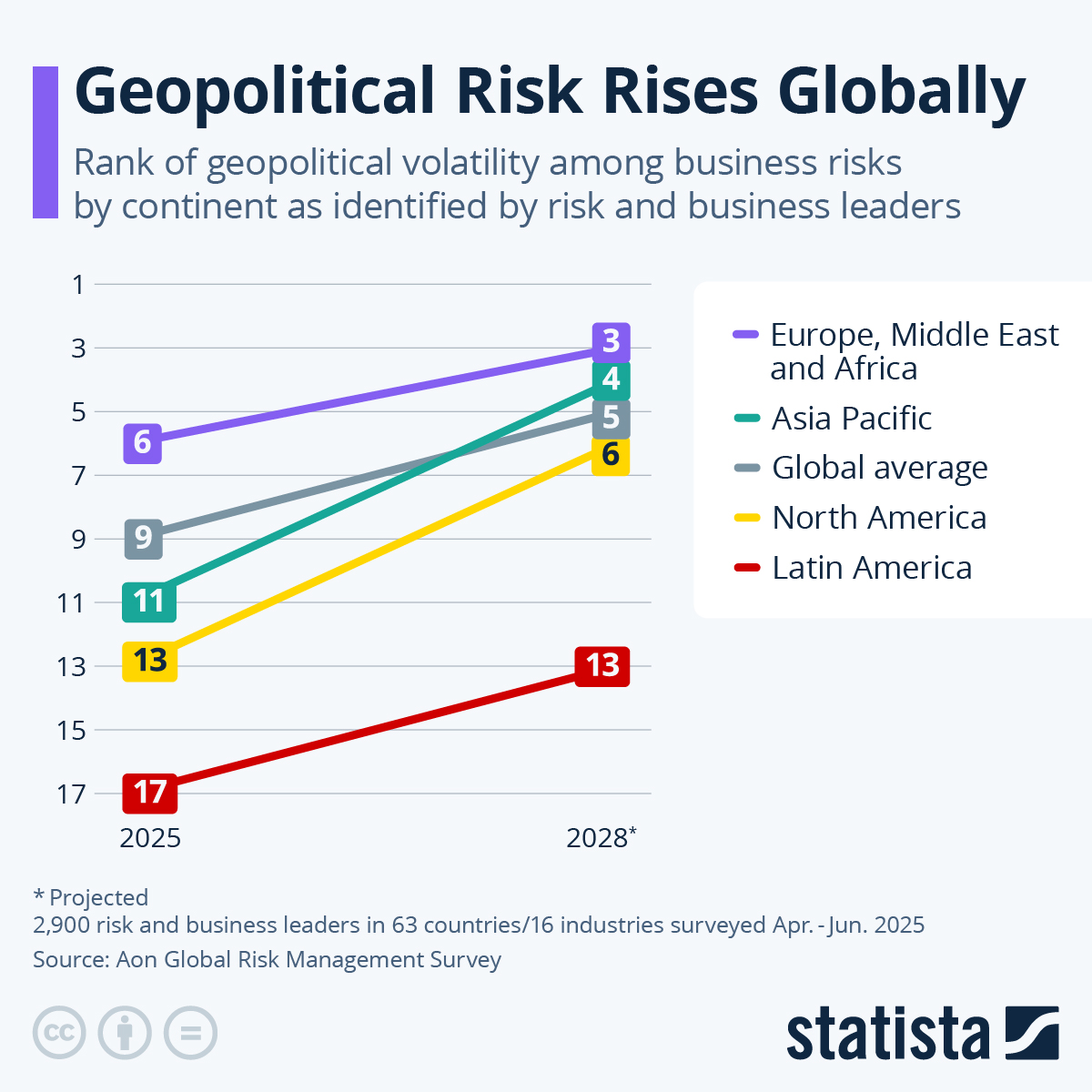
The Russian Federation’s renewed advocacy for a comprehensive security architecture in the Persian Gulf is not a mere diplomatic overture; it is a calculated attempt to mitigate specific systemic risks to its energy dominance and regional influence. While Western discourse often views these calls as opportunistic posturing, an objective analysis of the Kremlin’s strategic architecture reveals a dependency on regional stability to maintain its own internal economic equilibrium. The volatility of the Gulf directly impacts the global hydrocarbons market, and for a rentier state like Russia, the cost of a "hot" conflict in the Strait of Hormuz outweighs any short-term gains from price spikes.
The Tripartite Strategic Logic of Russian Interventionism
Russia’s policy in the Gulf operates through three distinct functional layers. Each layer serves a specific national interest that requires the neutralization of open hostilities between Iran and the GCC (Gulf Cooperation Council) states. You might also find this similar coverage useful: The $2 Billion Pause and the High Stakes of Silence.
- Energy Market Preservation: Russia operates within the OPEC+ framework. A regional war would lead to a "fear premium" in oil pricing, potentially pushing Brent crude beyond sustainable thresholds. While high prices seem beneficial, extreme volatility triggers global demand destruction and accelerates the transition to renewables in European and Asian markets—Russia’s primary long-term revenue sources.
- The North-South Transport Corridor (INSTC): This multimodal route through Iran is Russia’s primary hedge against Western sanctions. Any escalation in the Gulf threatens the viability of the Bandar Abbas port and the Iranian rail network. If the Gulf is unstable, the INSTC becomes a stranded asset.
- Security Pluralism: Moscow seeks to transition the region from a "Pax Americana" to a multipolar security collective. By positioning itself as a neutral arbiter capable of speaking to both Riyadh and Tehran, Russia attempts to diminish the unilateral leverage of the United States.
The Mechanics of the Collective Security Concept
The "Collective Security Concept for the Persian Gulf" proposed by the Russian Foreign Ministry rests on the principle of "indivisibility of security." This framework rejects the formation of exclusive military blocs—a direct critique of the Abraham Accords and U.S.-led maritime coalitions—in favor of an inclusive regional organization.
The structural components of this proposal involve: As discussed in latest articles by The Guardian, the results are widespread.
- The Rejection of Extra-Regional Force Projection: A demand for the phased withdrawal of foreign (primarily U.S.) military bases.
- The Symmetry Principle: A requirement that any security guarantee provided to one state must be matched by an equivalent guarantee to its rival.
- Transparency Protocols: The establishment of "hotlines" and the pre-notification of military exercises to prevent accidental escalations.
This model assumes that regional actors are rational utility-maximizers who prefer shared economic growth over zero-sum military competition. However, this logic faces a significant bottleneck: the ideological and theological chasm between Iran and its neighbors. Russia’s strategy ignores the "identity cost" of de-escalation for regimes that derive domestic legitimacy from external enmity.
The Cost Function of Regional Instability
To quantify the necessity of the Russian call for peace, one must examine the variables of the Gulf’s "Conflict Multiplier." If hostilities move from proxy warfare to direct kinetic engagement, the following economic disruptions occur:
The Strait of Hormuz Chokepoint
The Strait handles approximately 20% of the world's total oil consumption. A closure or significant disruption would not just increase prices; it would break the physical supply chain. Russia lacks the spare capacity to fill the global void, and the resulting global recession would crater the very demand Russia relies on to fund its state budget.
Insurance and Freight Premiums
In a high-tension environment, the War Risk Surcharge (WRS) for maritime vessels increases exponentially. This raises the landed cost of goods, fueling global inflation. For Russia, which is already dealing with high logistics costs due to sanctions, any further increase in shipping complexity is a net negative for its trade balance.
The Asymmetry of Influence: Russia vs. The United States
The primary differentiator between the Russian approach and the traditional Western approach lies in the "Transactional Neutrality" model. The United States has historically operated as a security guarantor for one side (the GCC). Russia, conversely, leverages its lack of formal alliances to act as a bridge.
This creates a unique geopolitical arbitrage. Russia can sell S-400 missile systems to one side while maintaining a strategic partnership with the other. This "multi-vector" diplomacy is effective only as long as there is no actual war. In the event of a full-scale conflict, Russia would be forced to choose a side, destroying its carefully cultivated image as a neutral mediator and ending its influence over the losing party.
Operational Limitations of the Russian Peace Proposal
Despite the logical consistency of the Russian framework, three critical friction points prevent its implementation:
- The Enforcement Deficit: Unlike the U.S. Navy, Russia lacks the blue-water capability to actually enforce security in the Gulf. Its proposal is a diplomatic blueprint without a kinetic backstop.
- The Iran Dilemma: Moscow’s deepening military-technical cooperation with Tehran (specifically regarding UAVs and missile technology) creates a perception of bias among the Gulf monarchies. You cannot be a neutral arbiter while simultaneously serving as the primary arms supplier to one of the potential combatants.
- Economic Scalability: Russia’s economy is roughly the size of Italy’s. It cannot offer the massive infrastructure investments or the deep capital markets that China or the West can provide as a "peace dividend" to the region.
Strategic Forecast: The Pivot to Sub-Regional Bilateralism
Expect Russia to move away from broad, "grand bargain" rhetoric toward highly specific, bilateral security protocols. The "Collective Security" document will serve as a foundational text, but the actual diplomatic work will occur through "Small-Group Directives."
Russia will likely focus on securing the security of the North-South Transport Corridor as a localized test case for its broader security theory. If Russia can facilitate a non-aggression pact specifically covering the maritime lanes used for INSTC trade, it achieves its primary economic objective without needing to solve the broader, more complex regional rivalries.
The immediate tactical move for regional players will be to use Russia’s presence as a hedging tool. The UAE and Saudi Arabia will continue to engage with Russian de-escalation calls not because they believe in the Russian security umbrella, but to signal to Washington that they have alternative diplomatic options. This creates a feedback loop where Russia maintains relevance through the perceived threat of its influence rather than the actual utility of its peace proposals.
The survival of the Russian presence in the Gulf depends entirely on the maintenance of a "managed tension"—a state where conflict is always possible but never realized. This allows Moscow to continue its role as the indispensable mediator while avoiding the catastrophic costs of a regional conflagration. Any actor looking to engage with the Russian strategy must recognize that for Moscow, "peace" is a functional requirement for economic survival, not a moral imperative.
Would you like me to analyze the specific impact of the INSTC on Russian-Iranian trade volumes relative to traditional Suez Canal routes?