The 907-page report now circulating through the corridors of power in Kathmandu is not just a legal document. It is a post-mortem of a state that turned its guns on its own children. After six months of testimony and the high-stakes leak of the Gauri Bahadur Karki Commission findings, the verdict is in. Former Prime Minister K.P. Sharma Oli, former Home Minister Ramesh Lekhak, and former Police Chief Chandra Kuber Khapung face recommendations for criminal prosecution that could see them imprisoned for up to a decade.
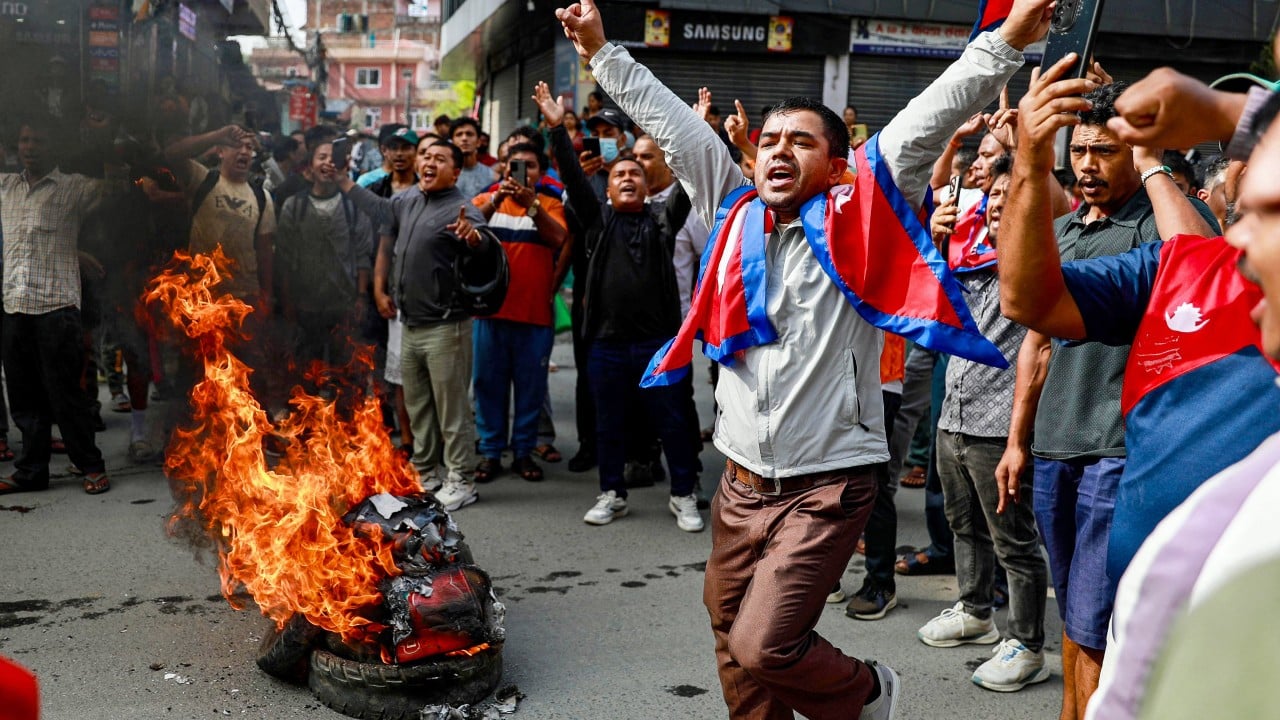
The "Gen Z Uprising" of September 2025 was never just about a social media ban. While the government's decision to block 26 platforms—including TikTok, WhatsApp, and X—served as the immediate spark, the underlying tinder was a decade of perceived corruption, nepotism, and a political class that treated the national treasury as a private checking account. When the dust settled, 77 people were dead, government landmarks including the Singha Durbar and the Supreme Court were charred husks, and a four-time Prime Minister had been forced into a humiliating resignation. Building on this theme, you can find more in: Why the Green Party Victory in Manchester is a Disaster for Keir Starmer.
The First Day of Blood
On September 8, 2025, the protests centered on the Maitighar Mandala. What began as a student rally against digital censorship quickly spiraled as security forces, seemingly overwhelmed and under-equipped for modern crowd control, resorted to lethal force. The commission found that 19 people—mostly college students—were killed on that first day alone.
The report explicitly cites Section 181 of the Muluki Criminal Code, which deals with death caused by negligence. Investigators concluded that while a formal "order to fire" may not have been recorded in a ledger, the top leadership's failure to intervene as the body count rose constituted a "reckless" disregard for human life. For four hours, live ammunition was discharged near the Parliament building. During this window, the commission notes, the Prime Minister remained passive, failing to exercise his authority to de-escalate or mobilize less-lethal alternatives. Experts at The Guardian have provided expertise on this trend.
A Hierarchy of Negligence
The testimony provided by K.P. Sharma Oli to the commission reveals a leadership strategy rooted in plausible deniability. Oli argued that he does not issue direct police orders and that operational accountability rested solely with the Home Minister. He characterized the protesters not as frustrated citizens, but as "infiltrators" who had hijacked a peaceful youth movement to incite "barbaric" attacks on state structures.
However, the commission rejected this insulation. In Nepal's parliamentary system, the Prime Minister functions as the ultimate authority on national security. The report argues that by failing to convene the National Security Council despite warnings from the National Investigation Department (NID) a day prior, Oli effectively left the capital's security to chance.
Key Figures and Recommended Charges
| Official | Role in 2025 | Recommended Action |
|---|---|---|
| K.P. Sharma Oli | Prime Minister | Prosecution under Section 181 (Criminal Negligence); 3–10 years prison. |
| Ramesh Lekhak | Home Minister | Prosecution for failure to manage the Central Security Committee. |
| Chandra K. Khapung | IGP (Nepal Police) | Criminal charges for "unnecessary and excessive" use of force. |
| Ashok Raj Sigdel | Army Chief | Scrutiny over the Army's "ineffective" role in protecting sensitive sites. |
The Discord Revolution and the Fall of the Old Guard
The uprising was unique for its lack of traditional political affiliation. Coordination did not happen in party offices, but on Discord servers like "Youth Against Corruption." This digital infrastructure allowed the movement to survive even after the government attempted to pull the plug on mainstream social media.
The commission's report highlights a fascinating, if grim, tactical shift on the second day of the uprising. On September 9, 2024, as anger over the previous day's killings boiled over, protesters targeted the private residences of political veterans. The report describes a methodical pattern of arson: disabling CCTV cameras, draining water tanks to prevent fire suppression, and targeting documents before igniting the structures. Former Prime Minister Sher Bahadur Deuba testified that he was physically assaulted at his residence, saved only by a faction of "Gen Z" youths who stepped in to protect him from a more radicalized element of the crowd.
The chaos also facilitated a massive security breach at Nakkhu Prison. During the height of the riots, over 600 inmates escaped, including Rabi Lamichhane, the leader of the Rashtriya Swatantra Party (RSP) who had been jailed on fraud charges. In a move that signaled the end of the traditional political era, Lamichhane did not return to hiding. Instead, his party, alongside the engineer-turned-rapper Balendra Shah, harnessed the momentum of the uprising to sweep the March 2026 elections.
The Institutional Failure of the Nepal Army
One of the more stinging sections of the Gauri Bahadur Karki report involves the Nepal Army. Despite being stationed at key locations like the Sheetal Niwas (Presidential Palace), the army remained largely immobile as protesters breached the Parliament and set fire to government ministries.
Army Chief Ashok Raj Sigdel told the commission that he had prior intelligence of a "dangerous escalation" but was hamstrung by the lack of a formal mobilization order from the National Security Council. The report reveals a tense standoff on the morning of September 9, where Sigdel reportedly pressured Oli to resign, suggesting the army would only restore order once a political transition was underway. This suggests a military that was no longer willing to act as a shield for a crumbling administration.
A Precarious New Era
The inauguration of Balendra Shah as Prime Minister marks a total departure from the Marxist-Leninist and Congress duopoly that has defined Nepal since the end of the civil war in 2006. Shah, who defeated Oli in his home constituency of Jhapa by a staggering 50,000 votes, now faces the Herculean task of implementing the very report that brought him to power.
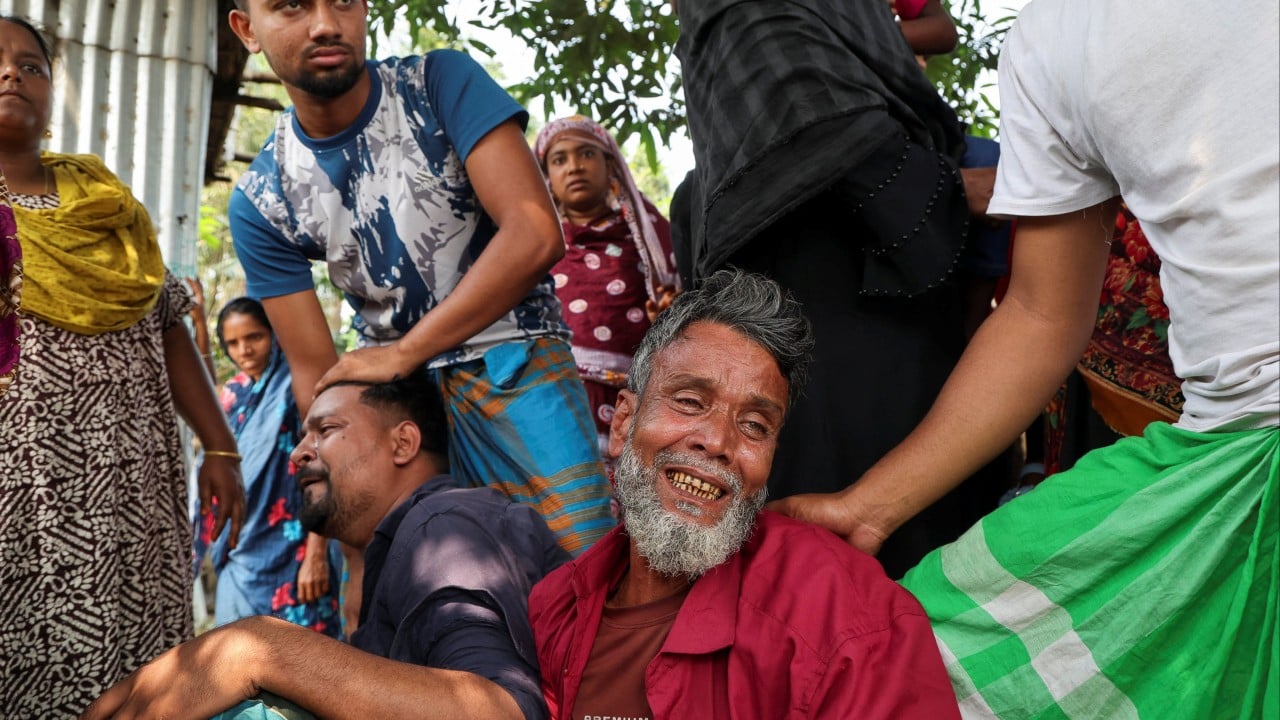
The families of the 77 victims are demanding more than just a 900-page document. They are demanding the NPR 1 million compensation promised by the interim government and, more importantly, the sight of former "untouchable" leaders in the dock.
The legal path forward is fraught. Attempting to imprison a figure like Oli, who still commands the loyalty of a significant portion of the CPN-UML cadre, could spark a secondary wave of unrest. Yet, if the new government ignores the commission’s recommendations, it risks betraying the "Gen Z" base that installed it. The report concludes that the failure to act in September 2025 was not just a lapse in judgment, but an "institutional weakness" that goes to the very core of how Nepal is governed.
Nepal is no longer the nation it was before those five days in September. The traditional parties are in tatters, the youth have discovered their collective muscle, and the secrets of the old regime are now public record. The question is no longer whether the system was reckless, but whether the new leadership has the stomach to enforce the consequences of that recklessness.
Would you like me to analyze the specific legal hurdles the Balendra Shah government faces in prosecuting these former high-ranking officials under the Muluki Criminal Code?