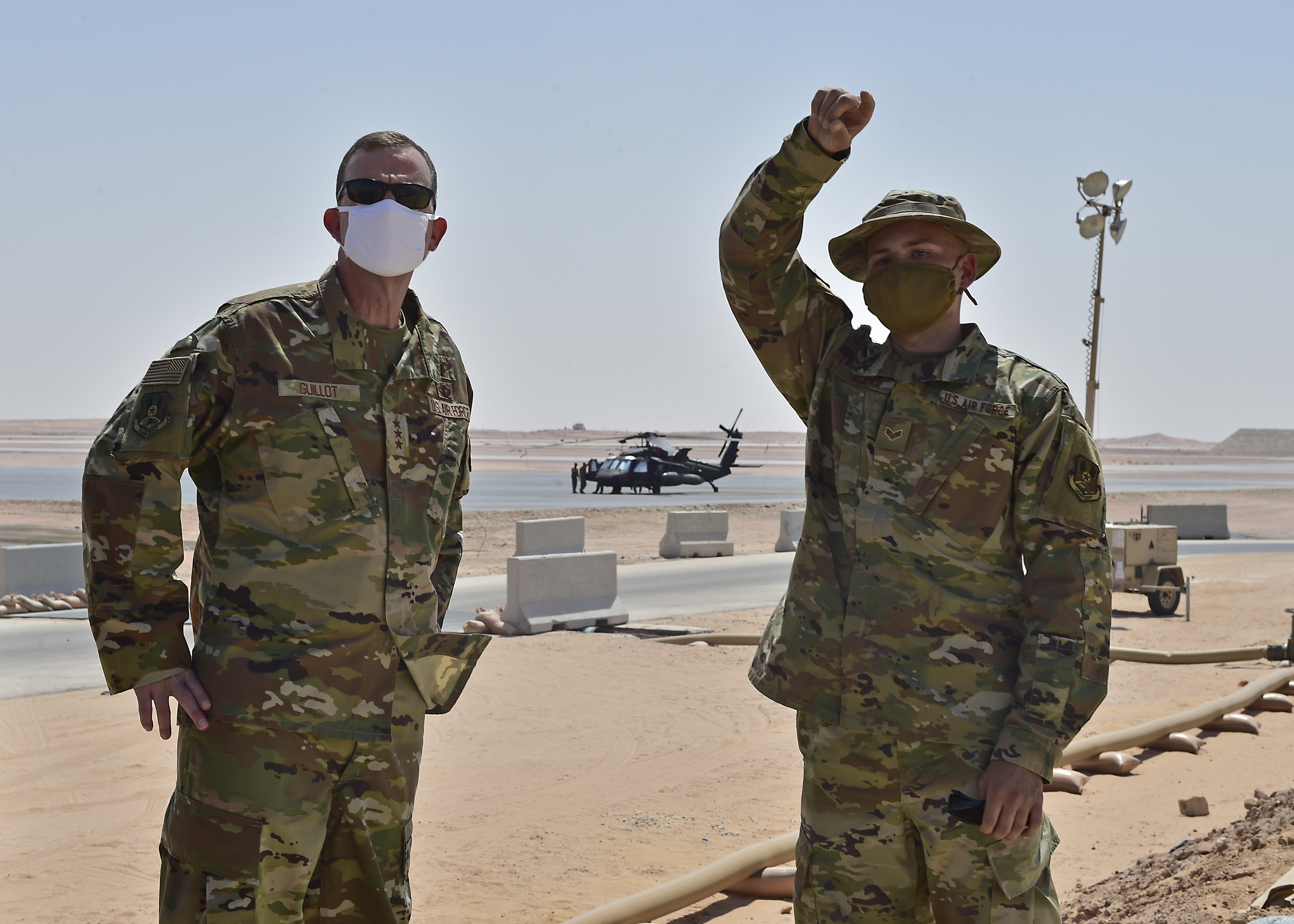
The siren didn't give them enough time. On Friday, March 27, 2026, an Iranian ballistic missile slammed into a building at Prince Sultan Air Base in Saudi Arabia, caught a group of American troops inside, and left the tarmac littered with the wreckage of some of the most expensive aircraft in the Pentagon’s inventory.
It wasn’t just a "lucky shot." It was a targeted strike that pierced one of the most heavily defended airspaces on the planet. While the Biden-turned-Trump administration has spent weeks claiming Iran's military is "90% neutralized," the reality on the ground in Saudi Arabia tells a much more violent story.
The cost of the strike in blood and hardware
Initial reports were messy. They usually are. But now the numbers are solidifying, and they aren’t good. At least 12 U.S. service members were wounded in the blast. Two of those troops are in critical condition, fighting for their lives in a regional medical facility.
This isn't just about the casualties, though. The hardware loss is staggering. For the second time this month, Iran managed to hit the "gas station in the sky." At least two KC-135 refueling tankers were damaged—one reportedly caught fire and burned on the runway. These tankers are the only reason U.S. and Israeli jets can stay over Iranian airspace for hours. Without them, the "Epic Fury" air campaign grinds to a halt.
Even more concerning? An E-3 Sentry AWACS—the $270 million "flying radar" that’s supposed to see these missiles coming—was reportedly caught in the blast radius. If you can’t protect the very planes designed to detect threats, you don't have air superiority. You have a problem.
Why our missile defenses are failing
You've probably heard that the Patriot and THAAD systems are invincible. They’re not. The problem isn't that the tech is bad; it’s that the math is impossible.
Iran isn't just throwing single missiles anymore. They’re using "saturation" tactics. They launched six ballistic missiles and nearly 30 drones at Prince Sultan simultaneously. It’s a cheap way to win. A Shahed drone costs less than a used Honda Civic, while the interceptors we use to shoot them down cost millions.
U.S.-allied Gulf states are literally running out of interceptors. Sources in Riyadh have been whispering for weeks that they’re forced to choose which targets to save. Do you protect the capital, or do you protect the American air base 60 miles away? On Friday, it looks like the base was the one that took the hit.
The Rubio Doctrine vs. the 82nd Airborne
There’s a massive disconnect between Washington and the front lines. Just a day before this attack, Secretary of State Marco Rubio told the G7 that the U.S. could finish this war "without any ground troops." He promised a "matter of weeks, not months."
But if things are going so well, why is the 82nd Airborne Division currently packing their bags for the Middle East?
Reports indicate the administration is mulling over a 10,000-troop surge, including 5,000 Marines. You don't send the 82nd Airborne—the world's premier rapid-response force—unless you're planning for a ground reality that looks nothing like a "short, air-only" conflict.
What happens next
If you're watching this from home, don't expect a de-escalation anytime soon. This strike was likely a direct response to Israel’s Friday hits on Iran’s nuclear facilities in Arak and Yazd. It’s a classic "tit-for-tat" that’s spiraling out of control.
With the Houthis now joining the fray from Yemen and targeting Israeli sites, the conflict has officially metastasized. The Strait of Hormuz is basically closed, and if the Red Sea follows, global shipping is going to take a hit that makes the 2021 Suez blockage look like a minor traffic jam.
If you have family stationed at Prince Sultan or elsewhere in the Gulf, here is what you need to know right now:
- Casualty notifications: The military is still processing the 12 wounded. If you haven't been contacted by a Casualty Assistance Liaison Officer (CACO) yet, that’s generally good news, but stay near your phone.
- Movements: Expect more troops to be relocated to "hardened" facilities. The 378th Air Expeditionary Wing is already shifting personnel to mitigate brain injuries from missile overpressure.
- Communication: Expect localized "blackouts" on base Wi-Fi and cell service as they implement Operational Security (OPSEC) measures following the strike.
This war was supposed to be over by now. Instead, we're watching the most significant breach of American air defenses in decades. Stay sharp—the next few weeks are going to be loud.