The headlines are selling you a fantasy. While mainstream outlets peddle the narrative of a "swift end" to the current escalations involving the Gulf states and Iran, they are ignoring the cold, hard mechanics of modern warfare and regional power dynamics. Washington’s desire for a quick exit isn't a strategy; it's a prayer.
The consensus suggests that a few surgical strikes and some high-level diplomacy can reset the clock to zero. That is a fundamental misunderstanding of how the Middle East operates in 2026. Conflict here isn't a faucet you can turn off once the sink is full. It is a chemical reaction that, once sparked, must burn through its fuel.
The Myth of Surgical De-escalation
The term "surgical strike" is the greatest marketing lie of the military-industrial complex. It implies precision, containment, and a predictable outcome. In reality, every "surgical" action in the Gulf creates a mountain of unintended consequences.
When you strike assets in Iran or the Gulf, you aren't just hitting hardware. You are hitting a complex web of ego, religious mandate, and existential survival. The idea that the US can "eye a swift end" while simultaneously watching missiles fly over Riyadh and Tehran is intellectually bankrupt.
Experience shows us that escalation has a gravity of its own. I have watched analysts predict "three-day conflicts" for decades, only to see them turn into ten-year quagmires. The reason is simple: the aggressor never gets to decide when the war ends. The victim does. If Iran or the Gulf states feel their sovereign survival is at stake, they will not follow a Washington-imposed timeline for peace.
The Energy Trap No One Mentions
The mainstream press loves to talk about "regional stability" without mentioning the actual price of oil. They treat the economy and the conflict as two separate silos. They aren't.
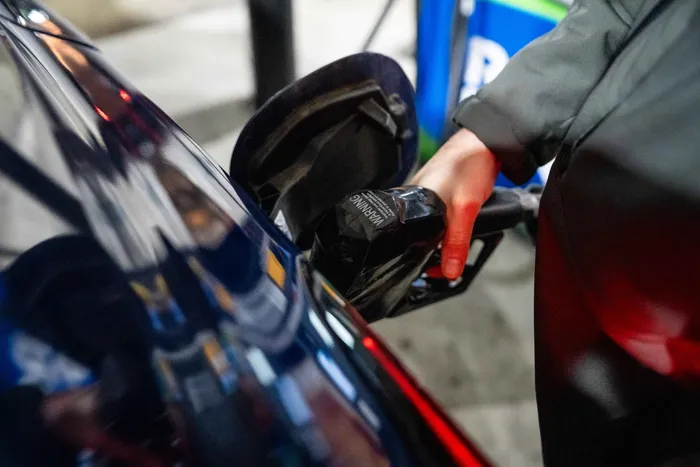
A "swift end" is impossible because the global energy market cannot handle the volatility required to achieve it. To actually end the threat from Iran or secure the Gulf through force would require a level of kinetic intensity that would send Brent crude into the triple digits overnight.
- The Insurance Reality: Tanker insurance premiums in the Strait of Hormuz don't care about diplomatic "optimism." They react to hull-breaching reality.
- The Infrastructure Vulnerability: You cannot defend every square inch of a desalination plant or an oil refinery. One cheap drone can undo five years of "stabilization" efforts.
We are currently seeing a transition from traditional state-on-state warfare to "asymmetric saturation." This means even if the US "ends" the war on paper, the proxy networks—the Houthis, the militias in Iraq, the cells in the Levant—will keep the fires burning. A formal peace treaty is just a piece of paper if the drones are still flying.
Why Washington is Lying to Itself
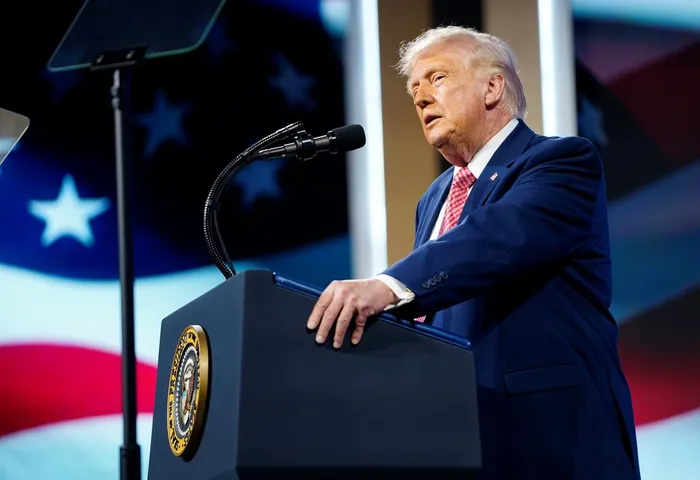
The US government’s push for a "swift end" is driven by domestic polling, not foreign reality. With elections looming and a weary public, the administration needs a win. But forcing a premature peace is often more dangerous than the war itself.
Look at the 1990s. Look at the post-2003 era. Every time the West tried to "wrap things up" based on a political calendar rather than the situation on the ground, the vacuum was filled by something far worse.
If the US exits now, or forces a ceasefire before the underlying tensions are resolved, they are merely hitting the "snooze" button on a much larger bomb. Iran isn't going to stop its regional ambitions because a State Department spokesperson looked stern on television. The Gulf states aren't going to feel secure just because a carrier group did a U-turn toward the Mediterranean.
The Proxy Paradox
The competitor article misses the most vital point: this isn't a two-player game. It’s a multi-dimensional chess match where half the players are invisible.
Imagine a scenario where a ceasefire is signed today between Tehran and Washington. Does that stop a rogue militia in Iraq from launching a rocket? No. Does it stop a cyber-attack on a Bahraini bank? No.
True authority in this region has decentralized. The "swift end" narrative assumes a top-down command structure that no longer exists in its pure form. We are dealing with a fragmented ecosystem of violence.
Common Misconceptions Dismantled:
- "Diplomacy is always the answer." Diplomacy without the credible threat of sustained force is just noise. If your opponent knows you are "eyeing a swift end," they know they just have to outlast your patience.
- "Sanctions will force a hand." Sanctions have become a way of life for Iran. They have built an entire "resistance economy." Expecting a sudden collapse now is a rookie mistake.
- "Technology wins wars." High-tech interceptors cost millions. The drones they shoot down cost thousands. You can't win a war of attrition when the math is against you.
The Brutal Reality of Regional Hegemony
The struggle between Iran and the Gulf states is not about a specific attack or a specific piece of land. It is about who owns the future of the Middle East. That is a generational conflict. It is about religion, trade routes, and cultural dominance.
To suggest this can be settled in a "swift" manner is an insult to the history of the region. It’s the kind of arrogance that leads to disastrous foreign policy.
The US isn't eyeing an end to the war; it's eyeing an exit from the responsibility. There is a massive difference. An exit leaves the house on fire. An end puts the fire out. We are nowhere near the latter.
The Hard Truth for Investors and Policy Makers
If you are betting on a return to "normal" in the next six months, you are going to lose money. If you are a policymaker drafting "post-conflict" plans, you are wasting ink.
The path forward is not a "swift end." It is a long, grinding period of "managed instability." We are moving into an era where the Gulf is a permanent front line.
- Supply Chains: Must be rerouted permanently, not temporarily.
- Security Budgets: Must be treated as operational costs, not emergency expenses.
- Expectations: Must be lowered.
The "lazy consensus" wants you to feel safe so you’ll keep consuming and investing. My job is to tell you that the safety is an illusion. The attacks on the Gulf and Iran are the opening chapters of a new volume, not the final sentences of an old one.
Stop looking for the exit sign. There isn't one. Start learning how to live in the heat.
Western leaders can "eye" whatever they want. The reality on the ground is blind to their desires. The war isn't ending; it's just getting started.
Pack for a long winter.