Pakistan’s energy crisis isn't just a headline anymore. It’s sitting right there on the dinner table, or rather, it’s missing from it. The LPG crisis in Pakistan has spiraled so far out of control that the basic act of making rotis has become a luxury most families can't afford. When the gas goes out, the prices go up. It’s a simple, brutal math that's crushing the middle class and the poor alike.
The situation is dire. We aren't talking about a minor price hike. We're looking at a total systemic collapse where Liquefied Petroleum Gas (LPG) has become the only alternative to a failing national pipeline, and now that alternative is breaking too. If you’ve been following the news from Islamabad or Karachi, you know the vibe is tense. People are angry. They're hungry. And honestly, they have every right to be. Meanwhile, you can read similar developments here: The Double Shadow and the Silent Dial.
Why the LPG Crisis hit Pakistan so hard right now
The root of this mess isn't just one thing. It's a perfect storm of bad policy, shrinking foreign exchange reserves, and a global energy market that doesn't care about Pakistan’s struggles. For years, the country relied on piped natural gas. But the local fields are drying up. Fast. To fill the gap, the government has to import Liquified Natural Gas (LNG), but with the economy in a tailspin, they don't have the dollars to pay for it.
This forces everyone—from big restaurants to tiny home kitchens—onto LPG cylinders. When demand spikes and supply is choked by import hurdles, the black market takes over. In many parts of the country, the official price of LPG is a joke. It’s a suggestion that nobody follows. Dealers are selling at massive premiums because they know people don't have a choice. You either pay the "black" rate or you don't eat hot food. To explore the bigger picture, we recommend the recent report by USA Today.
The skyrocketing cost of a simple Roti
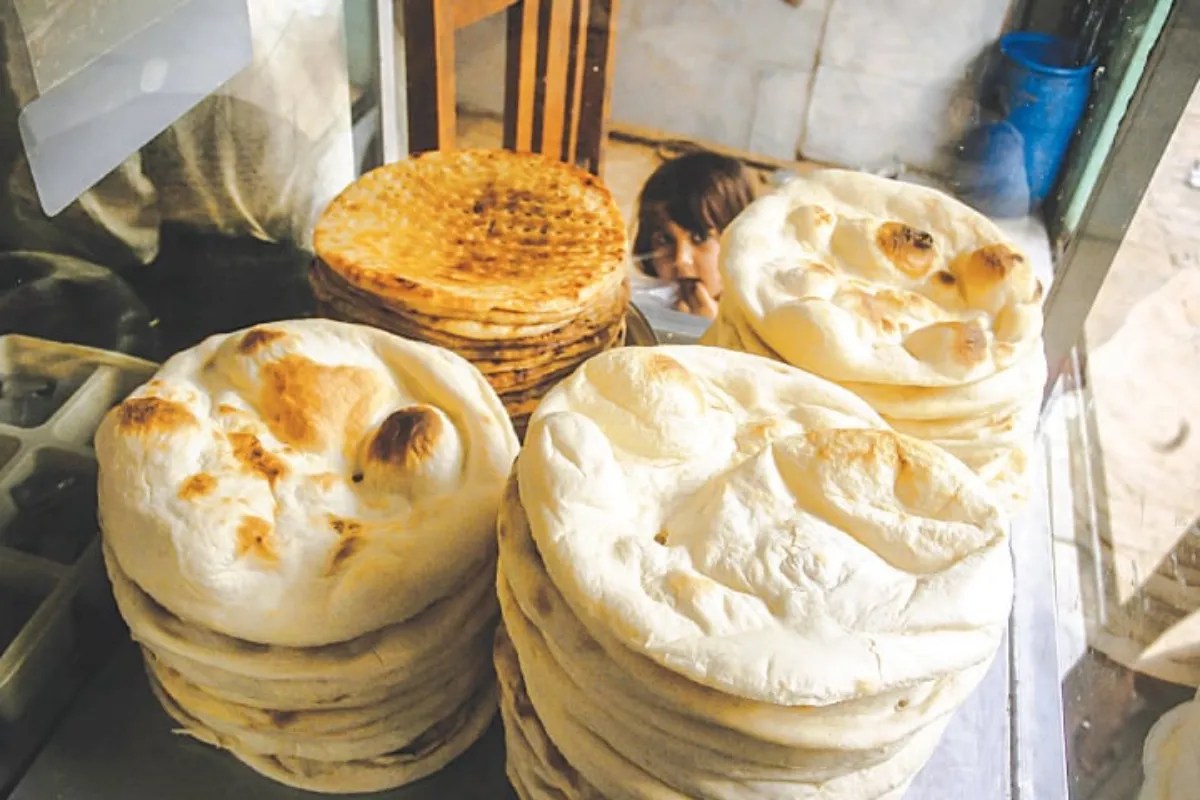
It used to be that the "tandoor" was the equalizer. Even if you couldn't afford a fancy meal, you could get fresh, cheap bread. Not anymore. Tandoor owners across Punjab and Sindh are hiking prices or just shutting down. They can’t run their ovens on hope. They need gas.
When the price of an LPG cylinder jumps by several hundred rupees in a single week, that cost gets passed directly to the consumer. We’ve seen the price of a single roti jump to 20 or even 30 rupees in some urban centers. For a family of six, that adds up to a staggering daily expense just for bread. No curry. No meat. Just dry bread. It’s unsustainable.
The government tries to impose price caps. They send out inspectors. They hand out fines. But it’s like trying to stop a flood with a toothpick. You can’t regulate a price if the underlying commodity isn't available at that price to the sellers.
The danger of DIY gas solutions
One of the scariest parts of this crisis is how people are reacting. When you can’t afford a proper cylinder, you get desperate. We are seeing a massive rise in the use of "plastic gas bombs." This is a terrifying trend where people fill huge plastic bags with natural gas from low-pressure lines and haul them home.
It sounds insane because it is. These bags are incredibly volatile. One spark, one cigarette, or one accidental puncture and an entire apartment block goes up. But when your kids are crying because they’re hungry, you stop weighing the risks the same way. The fact that citizens are forced to carry bombs just to cook a meal is a damning indictment of the current state of affairs.
What the experts are saying
Energy analysts at firms like Topline Securities have been ringing the alarm for a while. They point out that Pakistan's circular debt in the gas sector has ballooned to trillions of rupees. The state-owned companies are broke. They can’t maintain the infrastructure, let alone expand it.
International lenders like the IMF are pushing for "cost-reflective pricing." That’s a fancy way of saying "make the people pay the full, expensive market rate." While this might make the balance sheets look better for a bank in Washington, it’s causing a humanitarian crisis in Lahore.
The supply chain nightmare
Getting LPG from the port to the mountains or the rural plains is a logistical headache. The infrastructure is aging. Tankers are stuck in traffic or held up by fuel strikes. Every delay adds another layer of cost.
- Import dependency: Pakistan imports a huge chunk of its LPG.
- Devaluation: Every time the Rupee loses value against the Dollar, gas gets more expensive.
- Hoarding: Middlemen hide stock to create artificial shortages and drive prices higher.
I've talked to small business owners who say they spend half their day just hunting for a reliable gas supplier. They can’t plan their week, let alone their year. It’s survival mode, 24/7.
Moving beyond the blame game
Is it the current government’s fault? The previous one? The global market? Probably all of them. But blaming the past doesn't fix the stove today. The country needs a massive pivot toward renewable energy, but that takes time and money—two things Pakistan is incredibly short on right now.
Solar is an option for the wealthy, but you can’t run a tandoor oven on a couple of panels. The industrial scale required just isn't there yet. In the meantime, the reliance on LPG remains a noose around the neck of the economy.
Practical ways people are coping
Since the government isn't coming to save the day anytime soon, people are getting creative. It’s not ideal, but it’s the reality.
- Electric Pressure Cookers: For those with a stable (if expensive) electricity connection, moving away from gas entirely for certain meals is becoming common.
- Solar Cookers: In rural areas, some NGOs are introducing basic solar thermal cookers. They’re slow, but the fuel is free.
- Community Kitchens: Neighbors are pooling resources. Instead of four houses burning four separate fires, they cook together to save on gas.
This isn't just about "expensive bread." It’s about the erosion of dignity. When a working-class man can’t afford to buy bread for his children, the social contract is broken.
The immediate focus needs to be on cracking down on the hoarding cartels. The gas is often there; it’s just being held back by people who want to get rich off the misery of others. Without local-level enforcement that actually works, the "roti crisis" will only get uglier.
If you're living through this, check your local prices against the official OGRA (Oil & Gas Regulatory Authority) rates, though don't expect many sellers to honor them. If you can switch to induction cooking for small tasks, do it now before electricity prices see their next inevitable hike. Keep your cylinders in well-ventilated areas and never, under any circumstances, resort to using plastic bags for gas storage. It’s not worth your life.
The road ahead looks rocky. Until the foreign reserve situation stabilizes, energy will remain the primary pain point for every household in Pakistan. Pay attention to the local market shifts and buy your winter stocks early if you can afford the upfront cost. Waiting until the peak of a shortage is a guaranteed way to lose money.