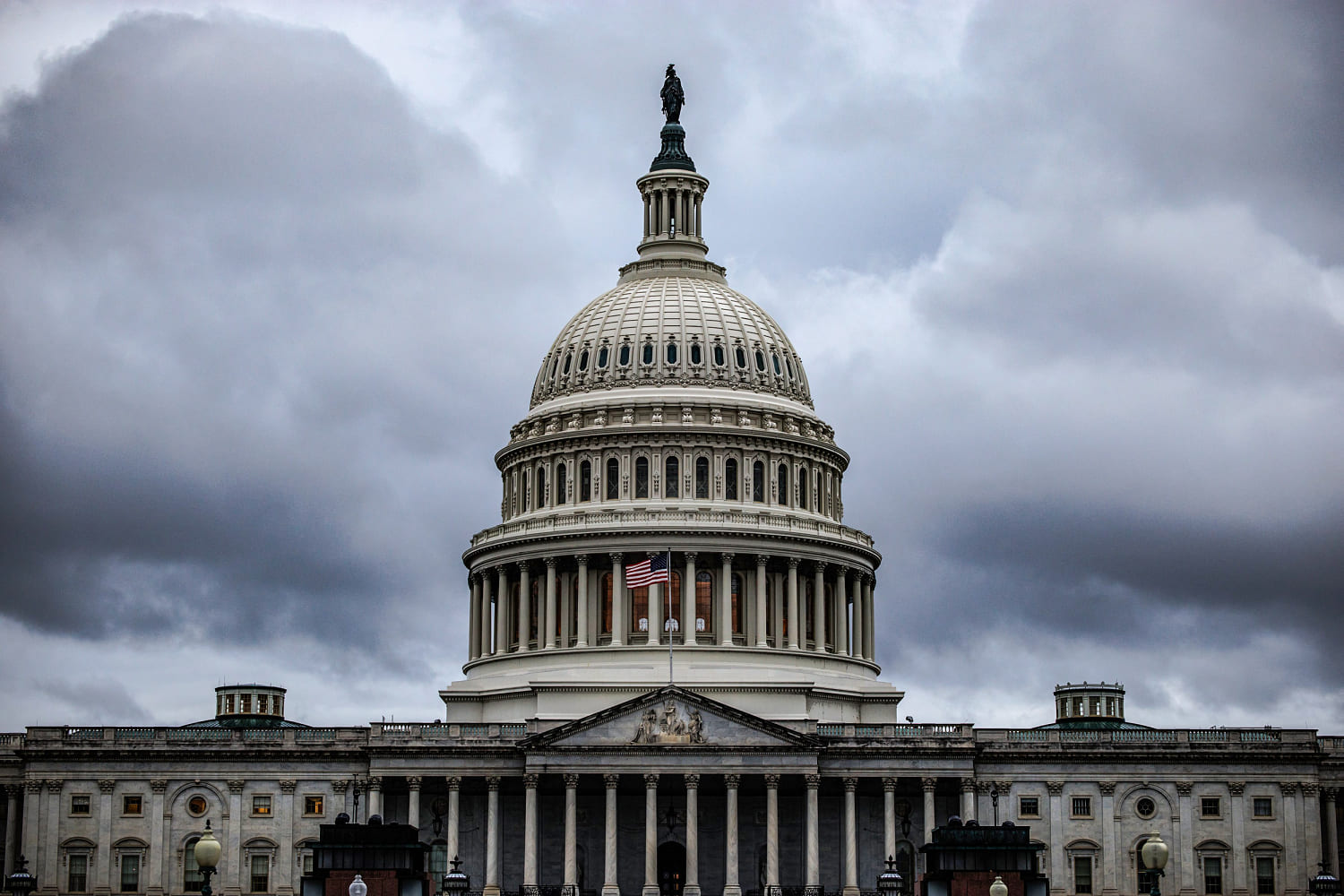
A former congressional aide just admitted to siphoning $23,000 from a U.S. Representative to pay off credit card debt. The headlines are predictably screaming about "betrayal," "ethics violations," and "taxpayer theft." The public is nodding along in a sea of easy moral superiority.
They are all missing the point. Don't miss our earlier post on this related article.
Focusing on a $23,000 credit card bill is like arresting a guy for stealing a grape while the supermarket is being dismantled by a demolition crew behind him. We love these stories because they are digestible. They fit into a neat box of "individual greed" vs. "public service." But if you actually understand the mechanics of how the Hill operates, you realize this isn't a story about a rogue staffer. It is a story about a system designed to be so financially brittle that only the desperate or the ultra-wealthy can survive it.
The Myth of the "Clean" Bureaucracy
The lazy consensus suggests that if we just "vetted better" or "tightened the rules," these things wouldn't happen. That is a fantasy. I have spent years watching how money moves through these offices. When you pay the people who draft your national laws less than a middle manager at a regional Taco Bell franchise, you aren't "protecting the taxpayer." You are creating a massive, glowing neon sign that says: Insert Corruption Here. If you want more about the context of this, NPR provides an in-depth breakdown.
In Washington, D.C., the cost of living is a relentless vacuum. Congressional staffers—the people actually writing the legislation your Representative barely reads—often start at salaries that would qualify them for low-income housing in the very districts they represent. This specific aide didn't steal to buy a yacht. He stole to pay off credit card debt.
That doesn't make it legal. It doesn't make it right. But it makes it inevitable.
When we focus on these small-ball thefts, we ignore the structural rot. We are obsessed with the $23,000 "crime" because it's a number we can wrap our heads around. We ignore the millions in legalized influence peddling because that’s just "how the business works."
The Math of Desperation
Let’s look at the numbers the "outrage machine" ignores.
The average junior staffer on the Hill makes roughly $40,000 to $50,000 a year. In a city where a studio apartment costs $2,400 a month, the math is broken before the first paycheck even clears.
When you underpay the people holding the keys to the kingdom, you create a security risk. In the intelligence world, this is known as the MICE acronym—Money, Ideology, Compromise, and Ego. These are the four pillars used to flip an asset. By keeping congressional pay artificially low to appease "fiscal hawk" voters, we have baked "Money" and "Compromise" into the very foundation of our government.
We are essentially running a trillion-dollar enterprise and handing the ledger to people who can't afford a car repair. This isn't a failure of ethics; it's a failure of risk management.
Why Small-Scale Theft is a Distraction
Every time a story like this breaks, the media goes into a frenzy about "transparency." They want more audits. They want more oversight. They want more bureaucratic red tape.
Here is the truth: More rules only catch the stupid thieves.
The smart ones don't steal $23,000 from the office account. They don't have to. They leave the Hill after two years and "consult" for the very industries they were supposed to be regulating. That "theft" is perfectly legal, worth millions, and happens every single day.
By hyper-focusing on the aide who got caught with his hand in the petty cash drawer, we are validating a system that rewards the "revolving door" while punishing the desperate. We are effectively saying: "It’s okay to sell your soul for a million dollars later, but don't you dare steal twenty grand to pay your rent now."
The "Transparency" Trap
"People Also Ask" online if these thefts indicate a lack of oversight. The answer is no. They indicate an abundance of opportunity created by a culture of martyrdom.
There is a perverse pride in Washington about "doing more with less." Politicians love to brag about cutting their office budgets. It makes for a great 30-second campaign ad. But those cuts don't come from the Representative's travel or their fancy dinners. They come from the staff.
When you squeeze those budgets, you lose the talent. Who stays?
- The Trust Fund Kids: People who don't need the salary because their parents own a hedge fund.
- The Desperate: People who see the Hill as their only shot and are willing to live on the edge of financial ruin.
If your government is staffed exclusively by the ultra-rich and the broke, you do not have a representative democracy. You have a playground for the elite and a minefield for the rest.
Stop Demanding Audits, Start Demanding Value
If you want to stop embezzlement, you don't do it with a more "robust" ethics handbook. You do it by professionalizing the workforce.
Imagine a scenario where we treated Congressional staff like high-level corporate assets. In the private sector, if you are managing a $100 million portfolio, you are paid a salary that makes "stealing $20,000" look like a career-ending joke. In government, we give that same person a $45,000 salary and act shocked when they find a way to bridge the gap.
We are penny-wise and pound-foolish. We save a few million on staff salaries and lose billions to inefficiency, lobbyist-driven loopholes, and—yes—occasional petty theft.
The Real Crime is the Silence
The competitor’s article focuses on the "guilty plea." It focuses on the "admission of guilt." It treats the legal system like it’s doing its job.
But the legal system is only catching the symptoms.
The real crime is the fact that we have accepted a status quo where "public service" is synonymous with "financial instability." We have created a filter that ensures only the most morally flexible or the most independently wealthy people end up in the rooms where it happens.
The aide who stole $23,000 is a footnote. He’s a small-timer. He’s a glitch in the matrix.
The real story isn't that he stole money. It's that we have built a government so cheap that it practically begs its employees to find another way to survive.
If you are more angry about this staffer than you are about the fact that your legislators are effectively being babysat by underpaid, over-stressed twenty-somethings who are one medical bill away from insolvency, then you are part of the problem.
Stop looking at the $23,000. Look at the trillions being directed by a workforce we treat like interns.
The next time you see a headline about an aide "betraying the trust" of a congresswoman, remember this: the system betrayed that trust long before the aide ever touched the credit card.
Pay the people or keep paying the price. Your choice.