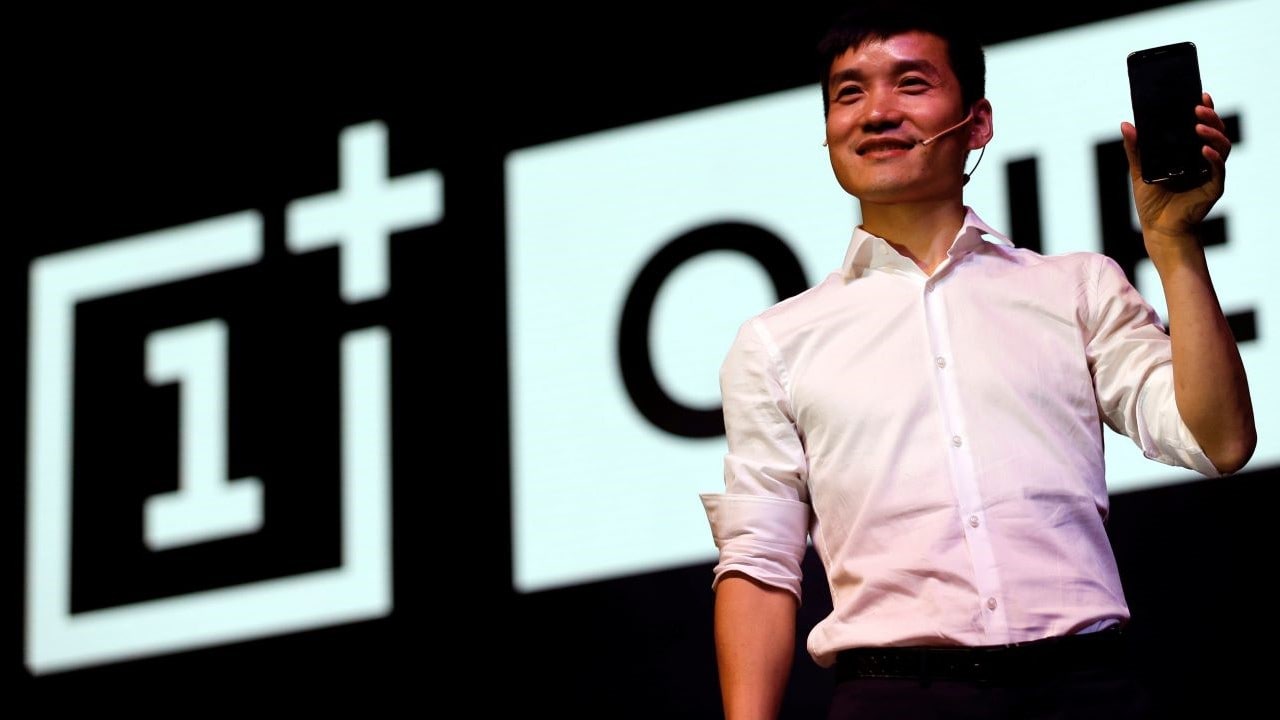
The tech press is currently hyperventilating over Robin Liu’s exit from OnePlus India. They see a "crisis." They see "uncertainty." They see a "global strategy in shambles."
They are wrong.
The departure of a CEO after a flurry of shutdown rumors isn’t a sign of a sinking ship. It is the sound of a corporate skin-shedding. For years, OnePlus has operated under a romanticized, indie-darling mythos that it outgrew five years ago. If you’re still looking at OnePlus as the "Never Settle" startup that challenged the giants, you’re reading a history book, not a balance sheet.
Liu’s exit is the final nail in the coffin of the enthusiast era, and frankly, it’s about time.
The Myth of the Independent Disruptor
The "lazy consensus" suggests that OnePlus is losing its way because it is being absorbed into the Oppo machine. Critics point to the unified codebase and the shared supply chains as evidence of a brand in decline.
I have spent two decades watching hardware cycles devour companies that refuse to scale. In the current smartphone market, "independence" is a slow-motion suicide note. The cost of R&D for a competitive camera system alone—think the Hasselblad partnership—requires the kind of capital that a "boutique" brand simply cannot sustain.
When people ask, "Is OnePlus shutting down in India?" they are asking the wrong question. The real question is: "Can OnePlus survive as anything other than an Oppo sub-brand?"
The answer is no. And that is a good thing for the bottom line.
By integrating deeply with Oppo, OnePlus gains access to a massive manufacturing footprint and a war chest that allows it to compete with Samsung and Apple. The "exit" of a regional CEO is often a precursor to a more centralized, streamlined command structure. It’s not chaos; it’s consolidation.
India Is No Longer a Testing Ground
For a decade, India was the playground where OnePlus could experiment with "invite-only" models and community-led marketing. But the Indian market has matured. It is no longer a sea of first-time smartphone buyers looking for a bargain. It is a sophisticated, tiered economy where the "premium" segment is the only place left to find real margins.
The departure of local leadership suggests a shift from "local hustle" to "global alignment." The enthusiast crowd—the ones who post on forums about oxygen levels and custom ROMs—are a vocal minority. They provide the "cool factor," but they don't provide the volume.
The math is brutal:
- The Enthusiast Tier: High maintenance, low loyalty, obsessed with specs-per-dollar.
- The Aspiration Tier: Wants a status symbol that works, values after-sales service over clock speeds.
OnePlus is pivoting hard toward the second group. Robin Liu’s exit signifies the end of the "community manager" style of leadership and the beginning of the "logistics and luxury" era.
The "Shutdown" Rumor Paradox
Why did the shutdown rumors persist despite official denials? Because in the tech industry, a rumor is often a misinterpreted truth.
OnePlus isn't shutting down its India operations; it is likely shutting down the old way of doing business in India. The traditional offline retail model in India is a fragmented, expensive nightmare. I’ve seen companies burn through $50 million in a quarter just trying to maintain shelf space in Tier-3 cities.
If OnePlus is pulling back from certain retail partnerships, it’s not because they’re broke. It’s because they’re tired of subsidizing inefficient middlemen. The "questions over global strategy" that the media loves to highlight are actually a single, coherent strategy: Profitability over Proliferation.
Stop Asking About "Soul" and Start Asking About "Scale"
The most common complaint from the "Never Settle" crowd is that OnePlus has "lost its soul."
"Soul" doesn't pay for 5G patent licenses. "Soul" doesn't secure a spot in a carrier’s premium lineup. In the smartphone world, "soul" is usually a euphemism for "we can't afford to mass-produce this."
Look at the hardware. The OnePlus 12 and the Open are arguably the best-engineered devices the company has ever released. They are polished, expensive, and decidedly corporate. They are products made by a company that understands it is no longer the underdog.
When a CEO leaves during a transition like this, it’s usually because their mandate—the one based on growth at all costs—is no longer relevant. The new mandate is integration.
The Reality of Leadership Exits
Imagine a scenario where a regional head is tasked with maintaining a specific brand identity while the parent company demands total platform unification. The friction is inevitable.
In my experience, "quitting after denying rumors" is the corporate version of "irreconcilable differences." Liu likely spent months fighting for Indian autonomy while HQ in Shenzhen was looking at a spreadsheet that proved centralization was 20% more efficient.
You don't need a "visionary" to run a regional office in a consolidated global brand. You need an operator. The exit isn't a red flag; it’s a green light for the bean counters to finish what they started.
The Counter-Intuitive Truth
The best thing that ever happened to OnePlus was losing its "identity."
By becoming "Oppo with a different coat of paint," OnePlus has ensured its survival for the next decade. The alternative was becoming another LG or HTC—brands that held onto their "unique vision" all the way to the graveyard.
If you want an "independent" phone, go buy a Fairphone and deal with the compromises. If you want a device that can actually challenge the S24 Ultra, you need the boring, corporate, consolidated power of the BBK Electronics machine.
Why the Critics Are Wrong About "Global Strategy"
The narrative that this exit "raises questions over global strategy" assumes that the strategy is failing.
It isn't.
OnePlus is currently one of the few brands successfully maintaining a foothold in the US premium market while dominating the upper-midrange in India. They are doing this by abandoning the "flagship killer" moniker and simply becoming a "flagship."
The strategy is working because it is becoming more standardized, not in spite of it. A global company cannot have a rogue, autonomous CEO in every major market if it wants to maintain a unified software ecosystem.
The Actionable Reality for the Consumer
Stop waiting for a return to the 2014 era. It’s gone.
If you’re an investor or a market observer, look at the margin improvements that come from this consolidation. If you’re a consumer, stop worrying about who the CEO of the India division is. It has zero impact on the quality of the sensor in your pocket or the speed of your charging brick.
The era of the "celebrity regional CEO" is dead. Long live the era of the efficient global supply chain.
OnePlus is finally acting like the multi-billion dollar entity it is. It’s stopped pretending to be your "friend" and started being a business. That might hurt the feelings of a few forum posters, but it’s the only way to keep the lights on in a market that eats "disruptors" for breakfast.
Stop mourning the death of a startup and start watching the birth of a dominant, consolidated power player. The exit of Robin Liu isn't the end of the story; it’s the end of the prologue.
Go buy the phone or don't, but stop pretending that a change in the C-suite is a sign of a structural collapse. It’s just corporate housekeeping. If you can’t handle the heat of a brand maturing, you were never really "settled" to begin with.